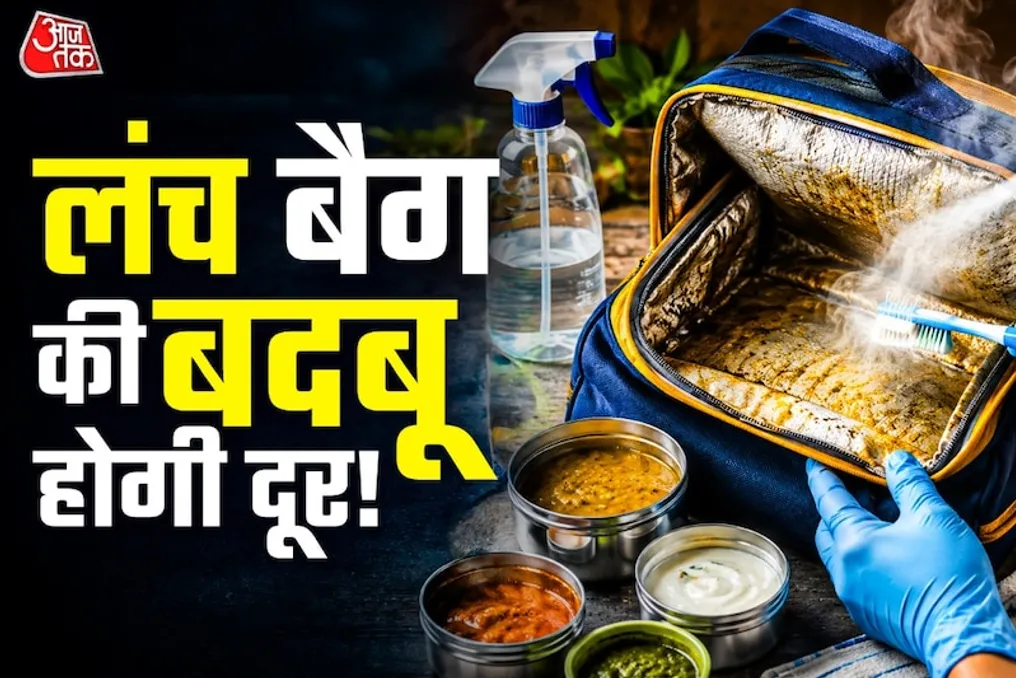
Lunch boxes and associated bags are an integral part of the lives of both schoolchildren and office workers. Although storing food in such bags is convenient, regular use leads to contamination. It is especially difficult to maintain cleanliness if drops of meat, vegetables, chutney, or milk accidentally get into the bag and are not removed promptly. Simply wiping with a damp cloth may create an appearance of cleanliness, but hidden dirt and food residue can cause an unpleasant odor.
If your lunch bag starts emitting a strong smell, you do not necessarily need to buy a new one. There are simple methods that allow for internal cleaning and reduction of unpleasant odors. Below are ways to easily clean a lunch box bag.
People often clean the exterior surface of the lunch bag, but tiny food particles often get stuck in corners, around zippers, and in seams. It is the accumulation of this hidden dirt over time that causes the bag to smell. To remove this trapped dirt, take an old toothbrush, wet it with water and a small amount of soap or detergent. Carefully clean the corners, seams, and the area around the zippers. After that, wipe the bag with a clean damp cloth and let it dry completely in the air.
Even after washing with soap and water, if milk, yogurt, cheese, curry, or other products have gotten into the bag, an unpleasant odor sometimes remains. This happens because some food particles remain in the fabric or lining. In such cases, an enzymatic cleaner can help. Apply a small amount of the cleaner to the spill area, leave it for some time according to the package instructions, and then wipe with a clean cloth. Before use, ensure that this cleaner is safe for the material of your lunch bag.
Re-soaking insulated or thermal lunch bags in water is not recommended. For cleaning such bags, you can use the steam treatment method. Apply light steam from a fabric steamer to the inner surface of the bag. If a steamer is unavailable, you can bring the bag near steam coming from hot water, but absolutely do not allow direct contact between the bag and boiling water or very hot surfaces. After steaming, leave the bag open to dry completely.
After the lunch bag has been cleaned, it should not be closed immediately. It needs to dry completely. Furthermore, long-term storage of dirty containers inside the bag after eating also contributes to intensifying the odor. It is recommended to thoroughly clean the inner lining, corners, and zipper areas at least once a week. This will help prevent the accumulation of small food particles and moisture, keeping the bag clean for a long time.