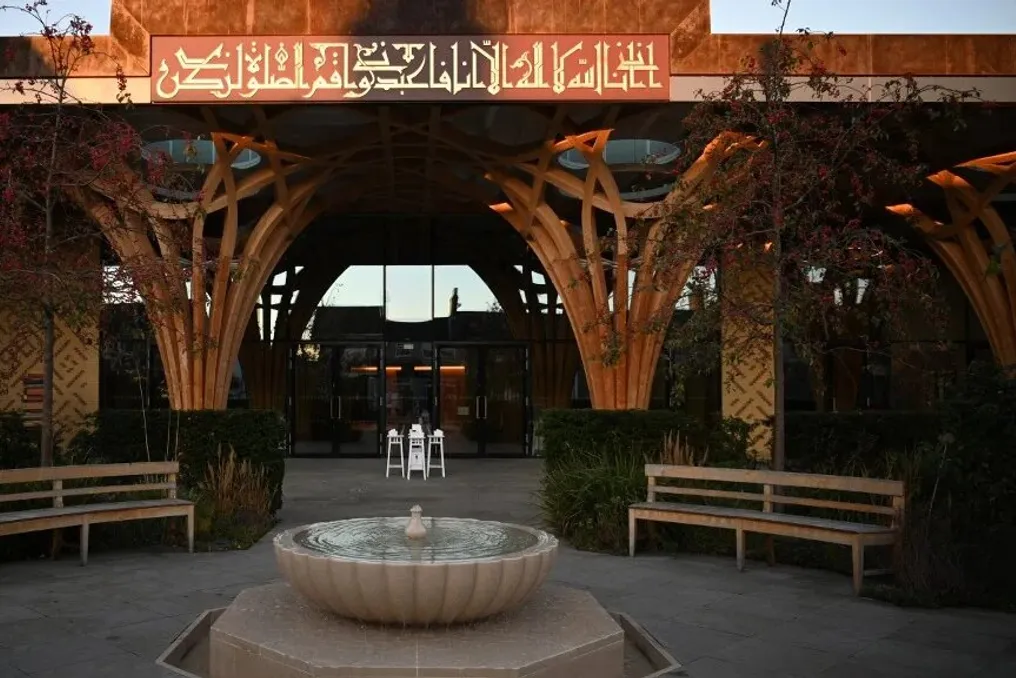
In mid-August, as Great Britain experienced its fourth heatwave of the year, news headlines criticized the alleged wasteful use of public funds by the water regulator. This campaign aimed to persuade Muslims to use less water during Wudu and Asians to reduce water consumption when washing rice.
It turned out that severe heatwaves create valuable opportunities for media outlets during periods of news flow slowdown. Similar to other artificially created panic moods, the 'Wudu Gate' leveraged a long-standing initiative, turning it into viral content through dramatic headlines, striking images, and exaggerated introductions.
Language and visual imagery are powerful tools that the media uses to shape and reinforce public opinion. When The Telegraph uses phrases like 'religious and cultural practices' to report that 'Asian and Muslim communities were told to wash rice and feet less' as part of a 'strange' water-saving effort, it brands these groups as alienated violators who carelessly and selfishly satisfy their needs at the expense of others during a national crisis.
It is not surprising that in the current atmosphere of rising Islamophobia, this news (or lack thereof) was met with weary suspicion by many, as it was perceived as another attempt by the media to portray Muslims as responsible for the drought in Great Britain.
It can be argued that the recent public awareness campaign by the water regulator, conducted in collaboration with the Cambridge Central Mosque and funded under the broader project 'water efficiency in faith and diverse communities,' might have been an overapplication of DEI principles, but it hardly became the main news story.
Nevertheless, from moral panics about halal meat to scaremongering about mega-mosques, our media is ready to exaggerate such moments. They enjoy creating alien caricatures of marginalized communities.