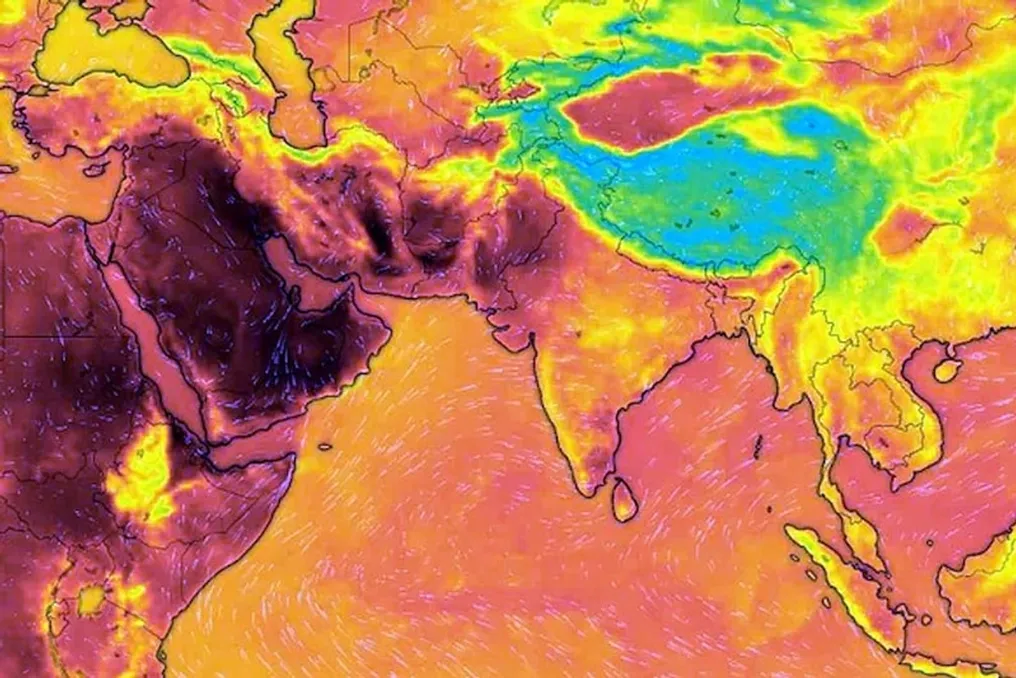
El Niño may become more powerful than in previous periods, and its influence could last until 2027. According to data from the World Meteorological Organization (WMO), the probability of El Niño continuing until February 2027 is estimated at approximately 100%. If this trend continues, it could be the strongest El Niño since 1950.
The consequences of this natural phenomenon are not limited to the Pacific Ocean; they can affect the weather in many parts of the world. Some regions are expected to experience heavy rains and floods, while others face drought, and periods of intense heat are also possible.
The WMO notes that although El Niño may reach its peak strength at the end of this year, its impact will last until 2027. El Niño is a natural weather phenomenon where waters in the Pacific Ocean become warmer than normal. This rise in sea temperature affects global weather. Typically, El Niño occurs every 2–7 years and can last for several months.
Currently, sea temperatures have exceeded the norm by more than 2 degrees Celsius. According to the WMO, only four El Niño events since 1950 have been classified as 'very strong,' and the current El Niño falls into this category.
The impact of El Niño also affects global temperature. WMO representatives state that the average global temperature may continue to rise in 2027, and this year could potentially be the hottest on record. The year 2024 was previously a record year thanks to the significant role of El Niño in raising global temperatures. Generally, a temporary further increase in the planet's temperature is observed after El Niño occurs.
Significant changes in weather directly affect the agricultural sector. Where drought occurs, crops can perish, and excessive precipitation and floods can also damage fields. In some areas of Central America, El Niño has already damaged crops, increasing the risk of food shortages. This may affect not only farmers but also food prices.
The WMO strongly recommends that countries prepare in advance for the consequences of El Niño. Measures suggested include increasing the use of drought-resistant crops, improving the readiness of water supply and power systems, and timely dissemination of weather warnings to the public.
Although El Niño is a natural phenomenon, the rising temperature of the Earth and the ocean makes its consequences more serious. Therefore, it is crucial to prepare in advance for situations of drought, floods, and extreme heat that may occur at the end of 2026 and in 2027.