African leaders call for investment and action to transform the continent's food systems
Read more
CGTN
cgtn.com

African leaders call for investment and action to transform the continent's food systems

African leaders, politicians, and development partners called for immediate action, increased investment, and strengthened public-private partnerships on September 2nd. The goal of these measures is to transform the continent's agri-food systems, as well as combat hunger, poverty, and unemployment.

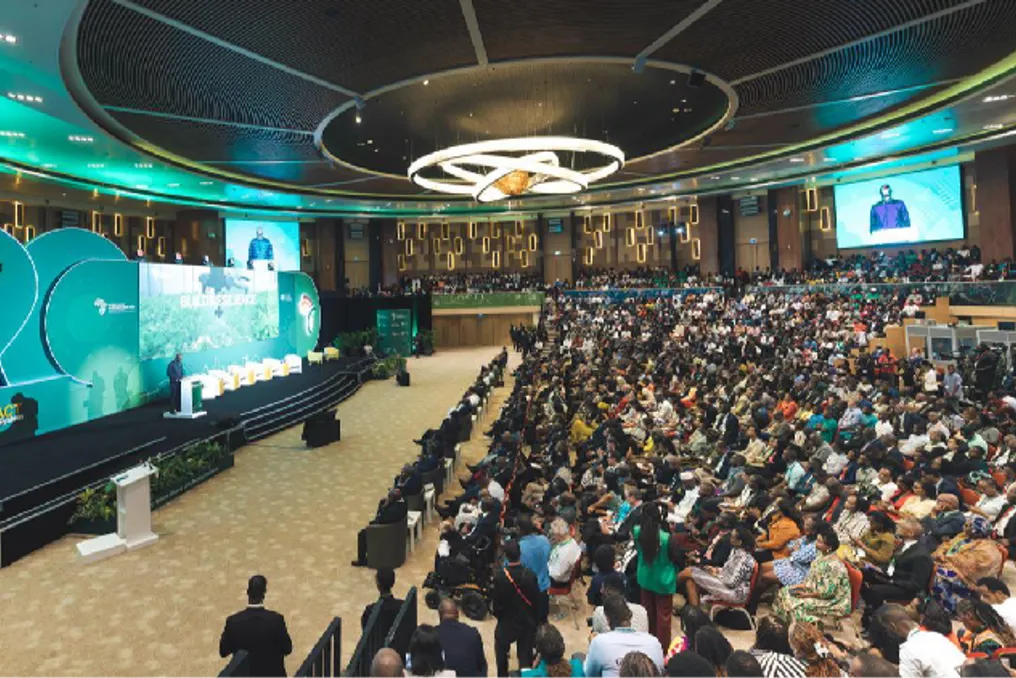
During the opening of the Africa Food Systems Forum 2026 in Kigali, Rwandan Prime Minister Dr. Justin Nsingiyumva spoke about the necessity of utilizing Africa's vast agricultural potential to achieve higher productivity and prosperity.

He strongly recommended changing the approach to agriculture, ceasing to view it as a traditional sector, and starting to position it as a modern source of opportunities for entrepreneurship, innovation, jobs, and economic growth, especially for youth and women.

Moses Vilakati, African Union Commissioner for Agriculture, Rural Development, Blue Economy, and Sustainable Environment, noted that Africa's problem is not a lack of policy solutions or knowledge, but the inability to translate commitments into real results. He demanded improvements in access to seeds, fertilizers, irrigation, mechanization, technology, financing, infrastructure, and markets.

Meanwhile, former Ethiopian Prime Minister Hailemariam Desalegn warned that despite two decades of efforts, agricultural transformation in Africa continues to face serious structural obstacles. He highlighted low productivity, value chain issues, and implementation complexities as major barriers, citing inadequate water resource management, low-yield seeds, fragmented markets, post-harvest losses, weak transport and cold chain infrastructure, trade barriers, and limited access to financial resources.

The forum, which took place from August 3rd to 4th, gathered over 5000 delegates from more than 50 countries, including leaders, policymakers, researchers, farmers, investors, and development partners.
Similar stories

Cape Verde President Stresses Need for African Union Reform
Read more
noticiasaominuto.com

Cape Verde President Stresses Need for African Union Reform

The head of state of Cape Verde, José Maria Neves, in an interview with the publication Lusa, speaking on the sidelines of the 21st extraordinary session of the Conference of Heads of State and Government, which is taking place in the capital of Angola and is dedicated exclusively to conflict prevention in Africa, once again emphasized the importance of reforming the African Union.

Neves became the first head of state from Portuguese-speaking Africa to arrive in Luanda. The president of Mozambique, Daniel Chapo, is also expected to participate in this summit. The main objective of the summit is the practical application of the Early Warning and Early Action Mechanism, which was discussed by the organization some time ago.

The President of Cape Verde noted in his interview with Lusa the difficulties the African Union faces in implementing its adopted decisions. He reiterated the need for reforms that 'should be aimed at increasing the efficiency of the organization itself and improving results.'

He stressed that a multi-level governance system must be created at the continental level, allowing for the redistribution of workload among the African Union, subregional organizations, and the states themselves. Neves added that this will require reforms and changes, but they must be implemented gradually to achieve the desired result.

In his opinion, although work is being done in this direction, 'these reforms affect structures, norms, rules, mental habits, which are not easy to change.' He also stated that to prevent and resolve conflicts, as well as to overcome constitutional crises, it is necessary to significantly increase the effectiveness of implementing adopted decisions and possess the ability to carry out necessary reforms.

For José Maria Neves, the African Union must work to become a significant political player and exercise its authority, 'above all, through the ability to influence.' Furthermore, the head of state noted that the organization must 'mobilize sufficient resources—material, financial, human—to meet the needs of more concrete actions on the ground.'

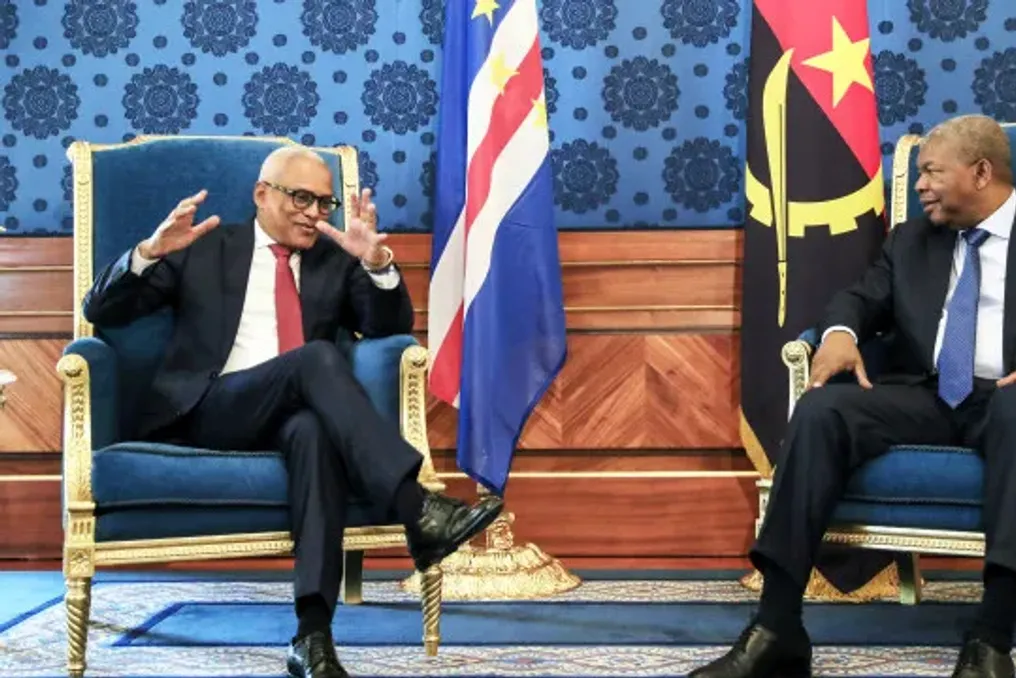
In the morning, the President of Cape Verde met with his colleague and host of the summit, João Lourenço. Various matters of common interest were discussed during the audience, opening new prospects for activating bilateral cooperation in strategic areas such as tourism, transport, and national defense.

According to the Presidency of Cape Verde, José Maria Neves welcomed the announcement of the resumption of TAAG – Angola Airlines flights to Cape Verde. This route will connect Luanda with Dakar and Praia, strengthening regional connectivity and bringing the two peoples even closer.

Today, the Executive Council of the African Union gathered in Luanda to prepare documents that will be discussed by the heads of state and government at the extraordinary summit on Sunday. The summit's program includes an opening ceremony with three speeches: from João Lourenço as host, the President of the AU Commission, Mohamed Ali Youssouf, and the President of Burundi and AU leader, Évariste Ndayishimye. After the ceremony, the meetings will take place behind closed doors, while a conference representative emphasized that 'the summit is exclusively African.' International partners were not invited; only the diplomatic corps and accredited organizations are expected to attend the closing part.

East African Community Countries Affirm Commitment to Education Reforms and Youth Skills Development
Read more
cgtn.com

East African Community Countries Affirm Commitment to Education Reforms and Youth Skills Development

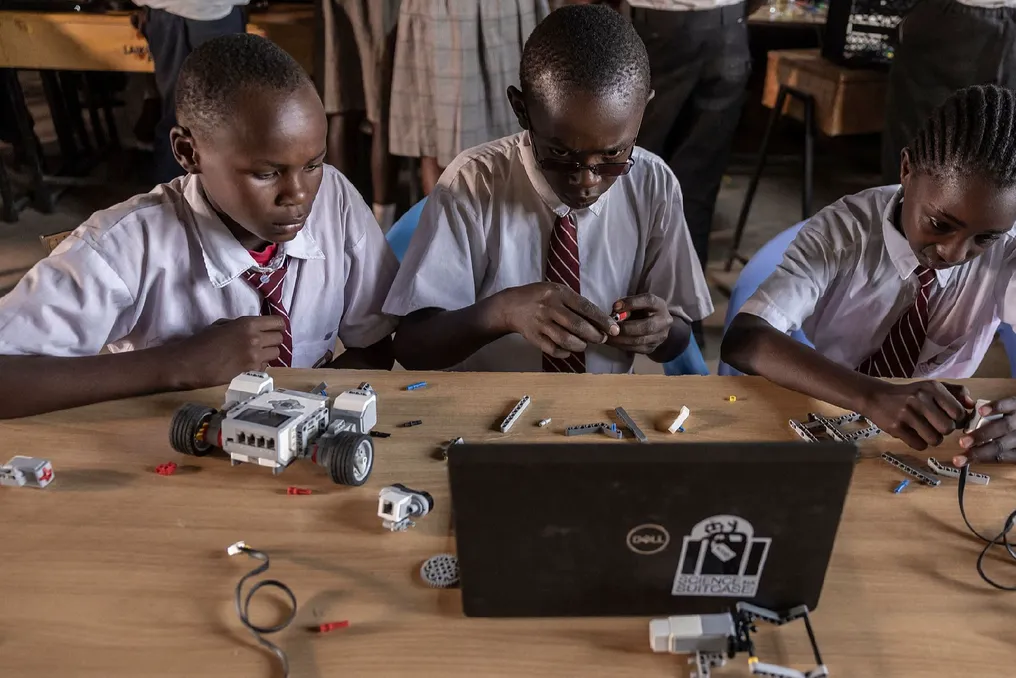
Eight member states of the East African Community (EAC) have reaffirmed their determination to accelerate educational reforms. These reforms aim to improve youth literacy, expand professional skills, and strengthen the region's competitiveness.

This commitment was declared on Wednesday during the second EAC Regional Conference on Education, held in Nairobi. The event gathered approximately 600 participants, including ministers of education, academics, development partners, and civil society representatives.

The five-day conference, organized by the Kenyan government, the EAC, and development partners, operated under the theme 'Transforming Education in East Africa: From Commitments to Results, Developing Resilience and Systems Ready for the Future for Sustainable Development.'

Kenyan President William Ruto stated that the future prosperity of the EAC, home to about 300 million people, depends on increasing investment in lifelong learning and skills that meet labor market demands. He urged member states to increase investments in educational technologies, teacher training, and competency-based curricula to improve learning outcomes and prepare youth for changing labor market conditions.

EAC Deputy Secretary General Andrea Ariik Malueth noted that the bloc encourages member states to harmonize their educational policies and legal frameworks. The goal of this harmonization is to strengthen basic education, expand vocational training, and facilitate skills mobility across borders. He emphasized that education systems must equip young people with analytical thinking, digital literacy, adaptability, creativity, and practical problem-solving skills.

Officials noted that stronger educational systems will help address the issue of skills shortages and youth unemployment in the region while supporting sustainable economic growth and regional competitiveness.

Activists demand stricter legislation against private ownership of large cats after tiger rescue
Read more
iol.co.za

Activists demand stricter legislation against private ownership of large cats after tiger rescue

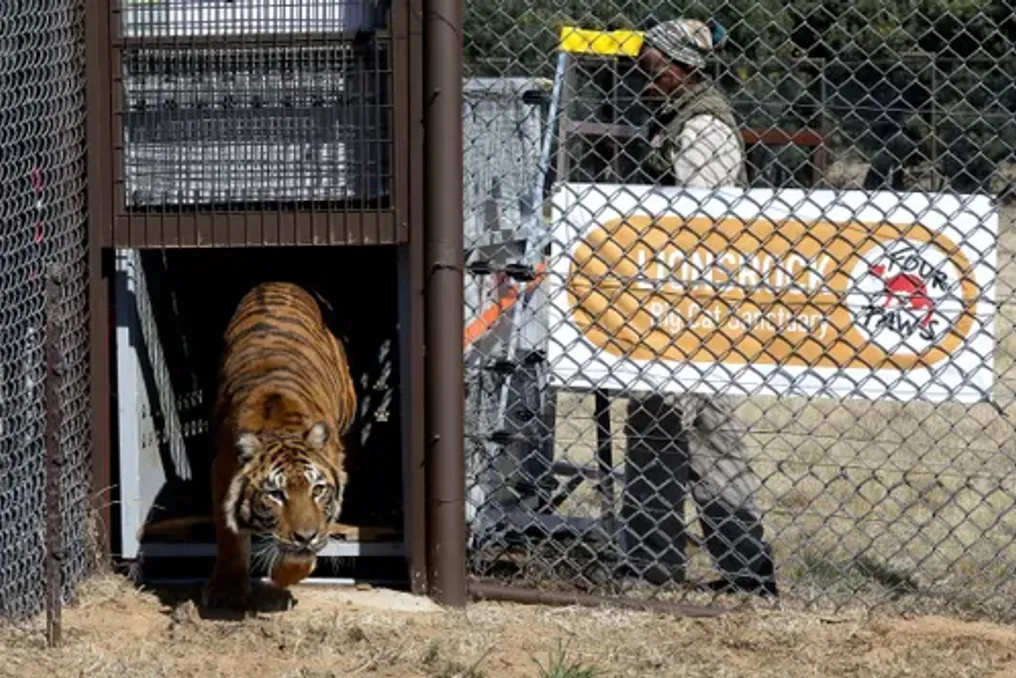
Following a dramatic rescue operation, activists have called for measures to be taken against the practice of keeping large cats privately. Tigers first set foot on African soil and felt the African sun at the Lions Rock wildlife reserve in the Free State province on Thursday.

Director of Four Paws South Africa, Fiona Miles, called for action amid the rise of irresponsible pet ownership, which leads to unnecessary animal suffering. She and other animal cruelty activists are lobbying the government to tighten legislative reforms to combat the issue of large cat ownership.

In an emotional appeal to the South African government, Miles strongly demanded that laws banning the keeping of large cats, such as lions and tigers, which have long been used for commercial purposes, be expedited.

This followed Four Paws' successful mission to rescue fifteen large cats, including nine tigers and six lions, from the notorious Zoo Lujan in Buenos Aires, Argentina. After many years spent in barren concrete enclosures with minimal care, these animals found a new home at the Lions Rock Big Cat Sanctuary in Bethlehem, Free State, marking a significant victory for animal welfare.

Two male lions were released into their permanent home at the Lion Rock sanctuary in the Free State. The animals traveled from Argentina to South Africa over the past week.

The journey to save these magnificent animals was fraught with difficulties. The fifteen large cats began their arduous journey after intense struggles that included logistical hurdles and expert veterinary support from Four Paws. On August 17, they left the premises of Zoo Lujan in Argentina. This facility faced severe criticism for its controversial operating methods and was eventually closed by Argentine authorities in 2020. However, the animals' fate was not resolved with the closure, as they remained in a precarious state without proper veterinary care.

On August 19, 2026, they arrived at Lions Rock, where specialized acclimatization enclosures were carefully prepared for them. After suffering in agonizing conditions, they began to adjust to their new, more humane environment, just as South Africa joins the world in celebrating International Cat Day on August 8. This step highlights both a triumph in animal welfare and a reminder of ongoing issues related to pet ownership in the country.

Fiona Miles, Director of Four Paws South Africa, expressed concerns about the mistreatment of wild animals in the country prior to the release of the large cats. Kristen Steiner, a veterinarian at Lions Rock, expressed pride and relief over the successful transfer of the large cats. She spoke about the harsh conditions the rescued animals endured, ranging from dim living quarters to nutrient-poor diets. She noted: 'Now that they are in our facility, we have suitable enclosures that provide them with the space and environment they need. Some of them were kept in small and inhumane conditions, which makes this rescue even more vital.'

One of the male lions transported from Argentina experienced the South African sun for the first time. He was released into the same enclosure as three other lions and immediately began forming bonds.

Miles insists that words alone will not suffice until the South African government recognizes the necessity of action. She emphasized: 'We need to move beyond talk. South Africa has the opportunity to set a strong example for other countries regarding the private ownership and exploitation of large cats.'

Popular