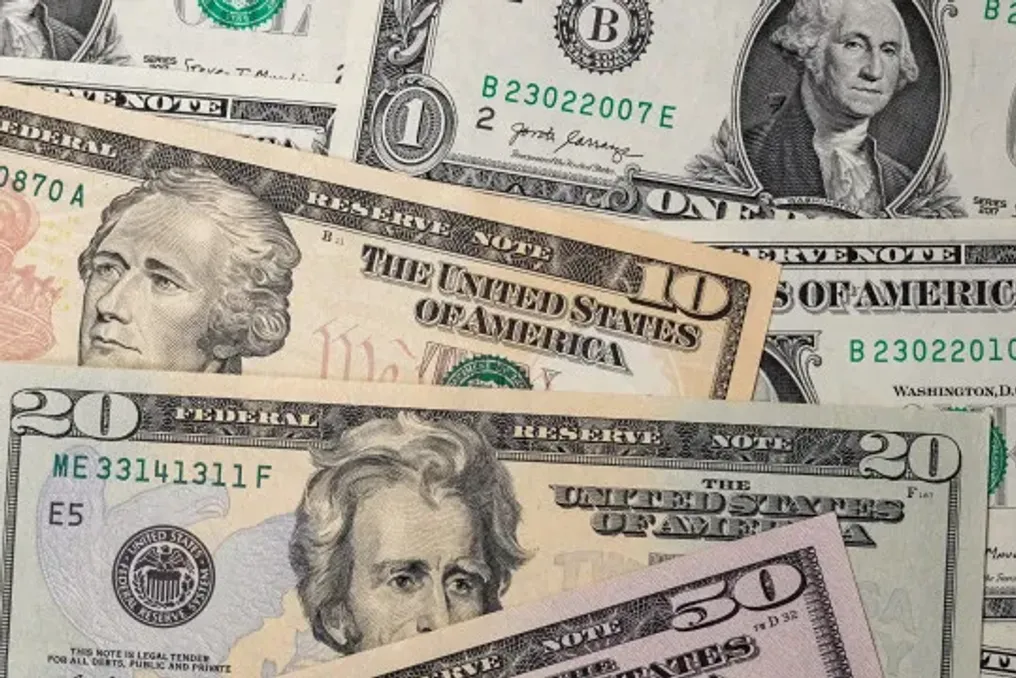
Brazil approves cancellation of import tax on goods valued up to $50
Read more
Noticias ao Minuto
noticiasaominuto.com

Brazil approves cancellation of import tax on goods valued up to $50

The proposal, nicknamed 'MP da taxa das blusinhas,' was included in Lula's negotiations with the presidents of the Chamber of Deputies and the Senate, who prioritized the issue after coordinating with the Presidential Palace.

During the election campaign in Brasília, there is high activity among deputies and senators mobilized as part of the so-called 'concentrated effort,' which is used to accelerate the review and adoption of proposals following agreements with the Presidential Palace and political leaders.

The cancellation of the import tax on products, mainly footwear and clothing, which benefits importers from Chinese platforms, had already been in effect in Brazil since May, but it was set to expire on September 8 unless Congress approved the decision.

In May this year, when the temporary provision was published, the Brazilian Retail Textile Trade Association classified this measure as a 'serious economic regression' and a 'direct attack on national industry and retail trade.'

Similarly, the National Confederation of Industry (CNI) of Brazil stated that this text is a step backward because it increases inequality between domestic and foreign companies.

Lula da Silva, who advocates for the abolition of the 20% import tax on goods valued up to $50, will likely use the approval of this measure by the Brazilian Congress in his election campaign.

This week, the Brazilian Congress has already approved the following priorities of Lula's government, which are now being sent for presidential signature: National policy on critical and strategic minerals, as well as a bill creating tax incentives to stimulate the installation of data processing centers in the country.

The reduction of working hours, known as the 'end of the 6x1 schedule,' was approved by the Senate's Constitutional Justice Commission (CCJ) on Wednesday, but the vote on it in a plenary session must take place only after the elections.

Also on Wednesday, the Constitutional Amendment Bill (PEC) on public security, which allows the government to create a Unified Public Security System and paves the way for the Ministry of Public Security under Lula, advanced in the Senate's CCJ, but the date for a plenary vote has not been determined.
Similar stories

Geely launches direct sales in Brazil with discounts of up to 11% for companies and tax benefits
Read more
autopapo.com.br

Geely launches direct sales in Brazil with discounts of up to 11% for companies and tax benefits

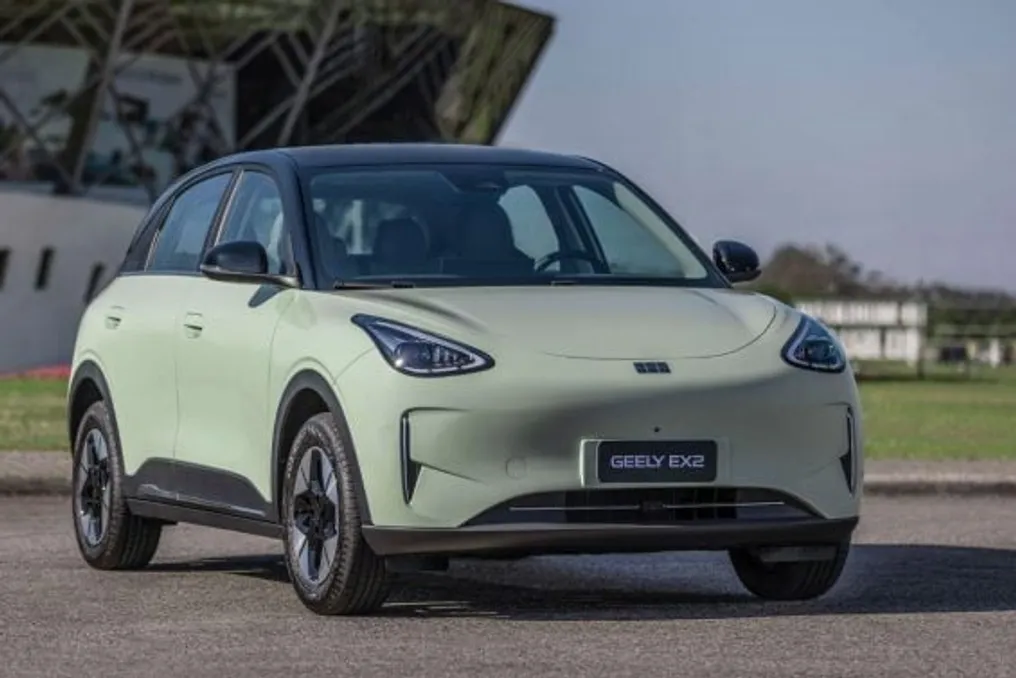
Geely has implemented a new direct sales program in Brazil, offering discounts of up to 11% for legal entities. Additionally, there are legally available tax exemptions for taxi drivers and individuals with disabilities (PcD).

With these new commercial conditions, the electric hatchback model EX2 starts being marketed from R$ 104,212, and the plug-in hybrid SUV EX5 EM-i may see a reduction of R$ 41,157 from the list price.

These promotions will be active starting July 2026 and will be applied at the brand's 40 dealerships nationwide. The vehicles included in this program are the electric EX2 and EX5, and the EX5 EM-i, with the Max version of the latter not included.

Alex Caetano, head of Sales and Network for Geely in Brazil, stated that this initiative aims to increase access to the brand's electrified line for both professional clients and PcD.

The biggest benefits are directed towards taxi drivers, who benefit from multiple exemptions. Specifically, the EX2 Pro will cost R$ 104,212, and the EX2 Max will be offered for R$ 115,155. In the electric SUV segment, the EX5 Pro is priced at R$ 167,505, and the EX5 Max costs R$ 185,840. For the EX5 EM-i Pro hybrid, the promotional value is R$ 148,833, compared to the list price of R$ 189,990, while the EX5 EM-i Ultra is announced for R$ 184,085.

Regarding direct sales to companies, the established prices are: R$ 116,372 for the EX2 Pro, R$ 128,592 for the EX2 Max, R$ 183,162 for the EX5 Pro, R$ 212,252 for the EX5 Max, R$ 174,791 for the EX5 EM-i Pro, and R$ 216,191 for the EX5 EM-i Ultra.

For PcD, only three configurations have a published price: EX2 Pro (R$ 120,580), EX2 Max (R$ 133,242), and EX5 EM-i Pro (R$ 172,210). Because the EX2 has a list price above R$ 120 thousand, the exemptions are not total, which justifies the PcD value being higher than that practiced in company sales.

Discounts are valid for different payment methods, including cash, financing, leasing, and consortium, allowing installments of up to 36 months with rates starting at 0.99% per month. The EX2 model also participates in the federal Move Brasil program in the Pro and Max versions, although the benefits cannot be accumulated.

This direct sales policy aligns Geely with the strategy already used by BYD, its main Chinese competitor in the Brazilian market, and occurs before the nationalization of the models. The company plans to manufacture the EX2 and EX5 EM-i in São José dos Pinhais (PR) by the end of 2026, using the Renault factory, whose operational capital in Brazil is 26% held by the Chinese group.

The EX2 is considered the standout model of the trio. According to Geely's own data, this hatchback led car sales in China in 2025 and quickly became the second best-selling electric car in Brazil, just 16 days after its launch. Its configuration includes advanced driver assistance systems (ADAS), a 540-degree panoramic camera, and an electrically adjustable driver's seat. The EX5 uses the GEA architecture and is available for sale in over 90 countries. The EX5 EM-i, which represents Geely's first plug-in hybrid in Brazil, offers 262 hp and 38.7 kgfm, reaching 0 to 100 km/h in 7.8 seconds and having a combined range of up to 1,300 km in the NEDC cycle.

Price drops boost ethanol's competitiveness in most of Brazil
Read more
autopapo.com.br

Price drops boost ethanol's competitiveness in most of Brazil

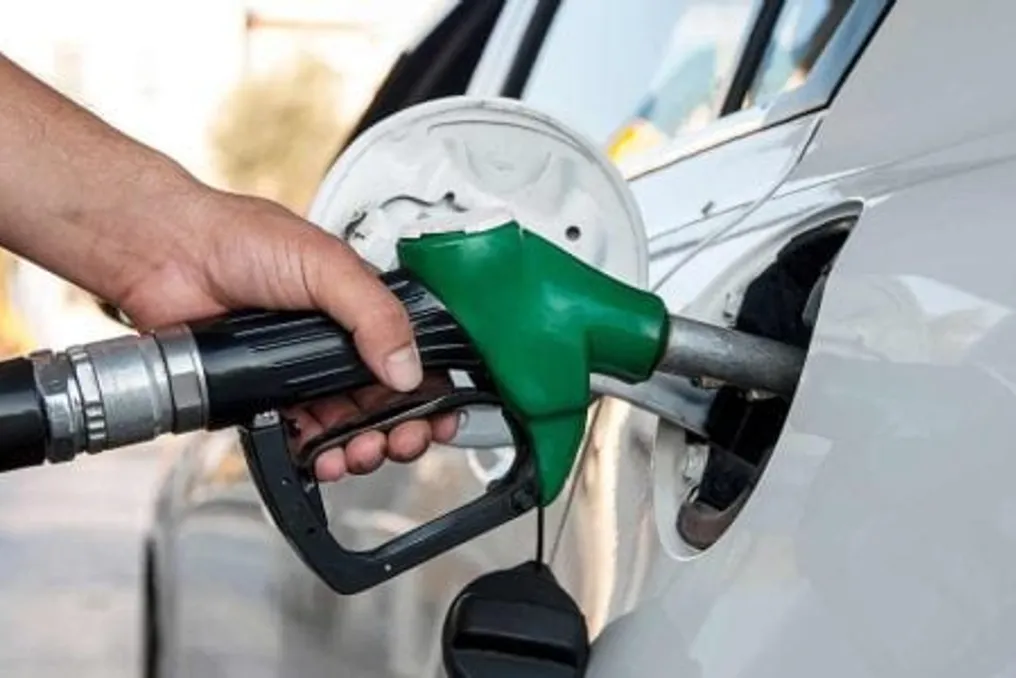
Gasoline, ethanol, and S-10 diesel registered price reductions in August, marking the third consecutive month of decline. According to a survey conducted by ValeCard, ethanol led this downward trend, showing a 2.06% drop in the national average, surpassing gasoline (-0.68%) and S-10 diesel (-0.51%).

Nationally, gasoline prices decreased from R$ 6.821 to R$ 6.774 per liter. Ethanol fell from R$ 4.365 to R$ 4.275, while S-10 diesel went from R$ 7.196 to R$ 7.159. Since May, ethanol has accumulated a drop of 7.45%, a percentage significantly higher than the 1.97% for diesel and 1.21% for gasoline.

There is a limited timeframe for this relief, as the government extended the subsidy for gasoline only until September 9th, following an extension on August 26th. Without this renewal, some of the currently contained pressure may be felt by consumers at the gas station.

The reduction in biofuel cost enhanced its competitiveness. In August, ethanol represented, on average, 63% of the gasoline price, compared to about 64% in July. Using the initial criterion of up to 70% established for flex vehicles, ethanol became advantageous in 17 states, an increase from 13 states in July and 10 in June.

The best ratio indices were observed in Roraima (54%), Mato Grosso (56%), Amapá, and São Paulo (59% each). The lowest average price for ethanol was recorded in São Paulo, reaching R$ 3.865 per liter, while the highest was in Sergipe, at R$ 5.537. The biofuel dropped in 25 states, with the exception of the Federal District (a 4.70% increase) and Sergipe (a 0.13% increase).

Gasoline saw drops in 19 states, notably Bahia, where there was an average reduction of 1.83%. The Federal District registered the largest increase, at 4.04%. In Rio Grande do Sul, the cheapest liter in the country was found at R$ 6.337, while Roraima had the most expensive at R$ 8.168, highlighting the influence of regional logistics, with a difference of R$ 1.831.

For S-10 diesel, the drop occurred in 19 states, driven by Pernambuco, Paraíba, Tocantins, Minas Gerais, and Santa Catarina. However, the North region followed the opposite trajectory: Acre, Amazonas, Amapá, and Roraima experienced continuous increases in June, July, and August. Acre accumulated a growth of 11.59% since May and currently holds the most expensive diesel in the country, at R$ 8.233 per liter, while Rio Grande do Sul maintains the lowest price at R$ 6.368.

Marcelo Braga, Director of Mobility and Operations at ValeCard, commented that the market entered 'a period of greater accommodation, but this does not mean the absence of risks.' He identified oil, exchange rates, and logistical costs as the most sensitive variables, especially for diesel, attributing part of the drop to the subsidy granted to the fuel.

This scenario is set against a backdrop of more moderate inflation: the August IPCA-15 showed a deflation of 0.40%, totaling 4.24% accumulated over 12 months, according to IBGE data. It is important to note that the ValeCard survey does not use official price data, basing itself on transactions made with the company's cards between August 1st and 26th, covering over 25 thousand accredited stations nationwide.

Popular