Residents of Ceuta once again took to the streets to express their protest against the creation of migrant detention centers. This time, the protests took place in an open area near a kindergarten that is preparing to operate by government order, as well as against the announcement of another detention center in the Western port, near two residential areas.
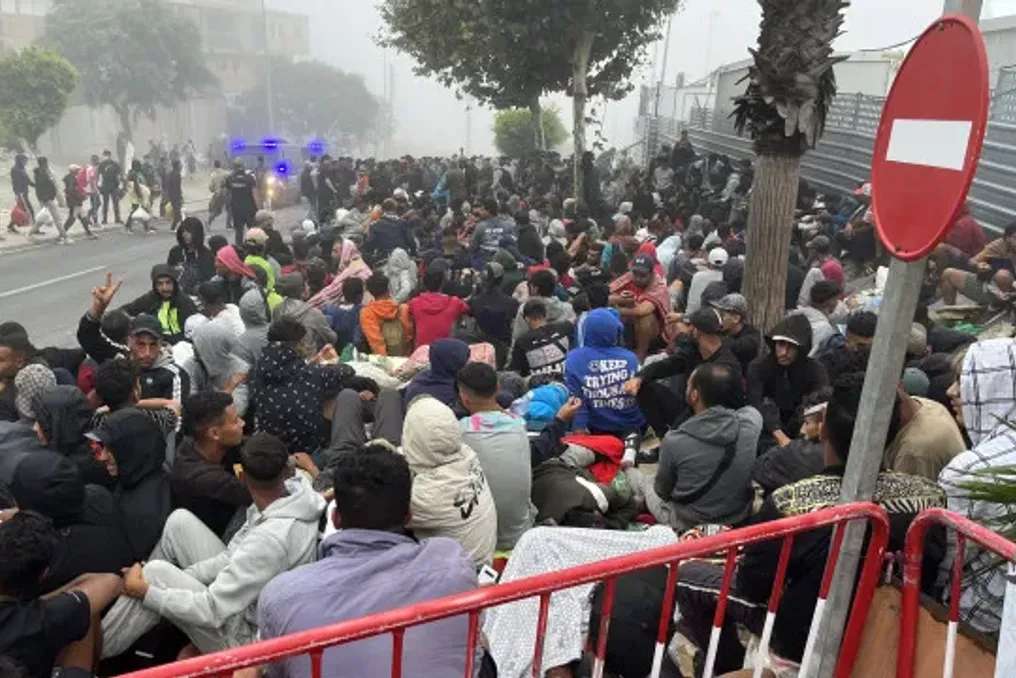
The action, supported by residents from other neighborhoods, aimed to express disagreement with the placement of a new migrant reception center near these two settlements. Participants blocked traffic in the area, interrupting the unloading of ships from the Algeciras port (Cadiz), and wanted to clearly state their rejection of the administration of the state that owns this territory.
Residents read a statement expressing their 'concern and disagreement' with the establishment of this migrant reception center in the port area. Also on the same day, workers, families, and residents held another protest on the terrace near the Nossa Senhora de África kindergarten, which is preparing to host another center for migrants.
This protest led to a halt in work because the affected parties stated their intention to continue the actions until the government revises the decision to build a settlement near the educational center for children aged 0 to 3. Families also raised concerns about the insecurity caused by this situation.
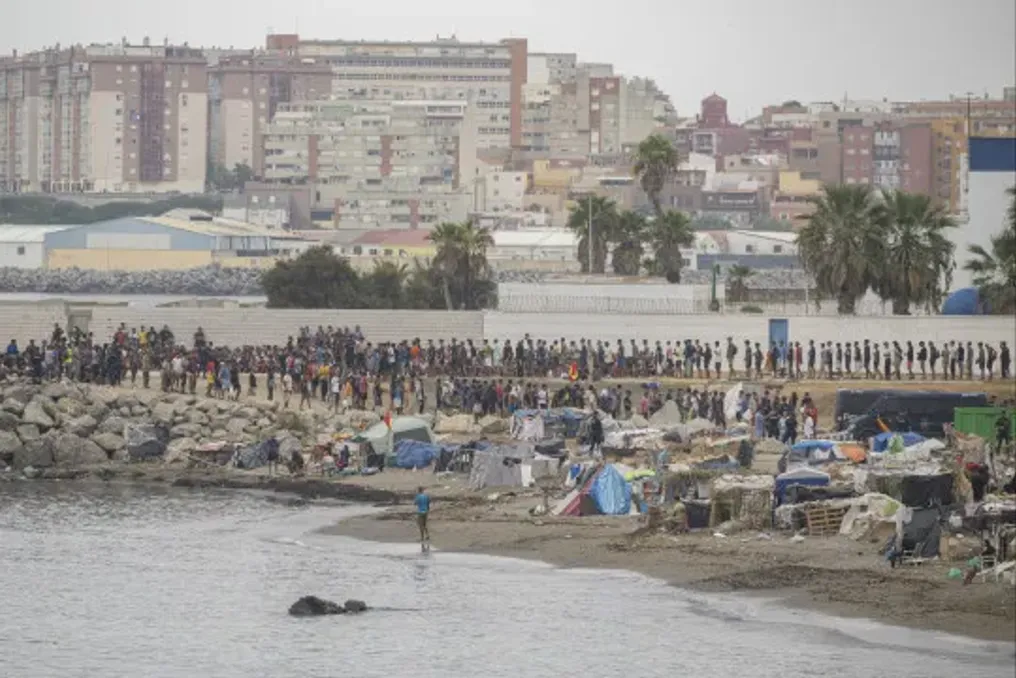
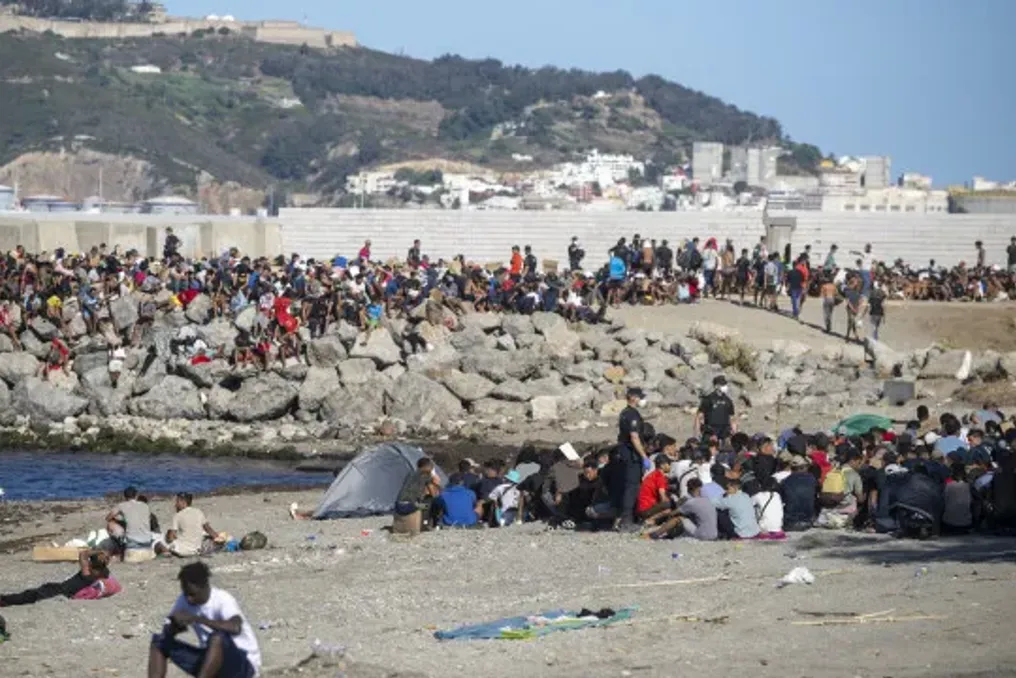
More than 70,000 people illegally entered Ceuta between July 30 and 31. Spanish Prime Minister Pedro Sánchez called this a 'violation of Spain's territorial integrity' and attributed responsibility to mafia groups involved in human trafficking, who distorted a recent decree on the return of migrants arriving in Spain by sea.
More than 90% of people who illegally entered the Spanish enclave in North Africa bordering Morocco left Ceuta within hours and days, but at least 5,000 people remain in the city, including thousands on the streets.
Sánchez suggested that Spain and Europe had become targets of an attack in Ceuta that utilized immigration, involving Israel and Russia, along with increased disinformation regarding what happened on social media.