Bluetooth headphones that offer a good cost-benefit are an attractive alternative for those seeking wireless freedom without spending much. Even though they are more economical, these devices can incorporate advanced features such as noise cancellation, multipoint connection capability, and water and dust resistance.
In this article, Tecnoblog presents ten options for Bluetooth headphones with an excellent cost-benefit ratio, ideal for more limited budgets. The strengths and weaknesses of models from brands such as JBL, Anker, Haylou, Huawei, Samsung, and QCY will be analyzed.
JBL Tune 780NC
The JBL Tune 780NC model is an over-ear headphone weighing 225.2 grams and using Bluetooth 6.0. It supports multipoint connection, allowing the user to pair the headphones with two devices simultaneously. Additionally, it is possible to use the headphones wired (USB-C to 3.5 mm) to reproduce high-definition audio.
This device features a 40 mm driver and an adaptive active noise cancellation (ANC) system that adjusts according to the environment. It has four microphones, two of which use beamforming technology to capture voice with greater clarity and less noise interference. Battery life reaches up to 50 hours in wireless mode, potentially reaching 76 hours when ANC and Bluetooth are disabled. Codec support was not specified.
Anker Soundcore Q20i
With an over-ear design and a weight of 246 g, the Anker Soundcore Q20i also offers multipoint functionality. However, it operates with the Bluetooth 5.0 standard, a version considered older and less efficient compared to the latest ones.
This peripheral is equipped with a 40 mm driver and uses hybrid active noise cancellation, employing four microphones (two internal and two external) to reduce ambient noise. However, the headphone activates only one microphone for calls, which may compromise recording quality. The Soundcore Q20i battery promises to last 40 hours with ANC on and 60 hours with noise cancellation off. Supported codecs are SBC and AAC.
The Haylou S30 Pro features an over-ear design and offers multipoint connectivity to connect simultaneously to two devices via Bluetooth 5.4. A notable difference is the low latency connection (0.06 s), which provides a smoother experience in gaming. High-resolution audio improves sound details, although this feature is restricted to wired mode. Furthermore, the peripheral, with its 40 mm driver, incorporates 43 dB hybrid noise cancellation and AI-assisted microphone noise reduction (ENC). The headphone autonomy reaches 50 hours with ANC active, potentially reaching 80 hours if the feature is disabled. Supported codecs are SBC and AAC.
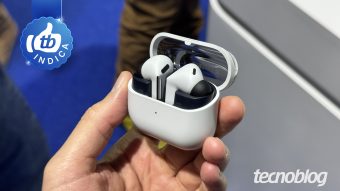
Huawei's FreeBuds 5i feature the Bluetooth 5.2 standard and multipoint mode. Weighing 4.9 g each, they have an in-ear format and come with extra ear tips in the case. The 10 mm dynamic driver works with a high molecular density diaphragm to deliver balanced sound across all frequencies. AI noise cancellation can differentiate external noise from ambient sound for greater accuracy. The battery lasts approximately 6 hours with ANC on or 7.5 hours without ANC. The headphones also have IP54 protection and four configurable touch buttons on the sides. Supported codecs include SBC, AAC, and LDAC.
JBL Endurance Race 2
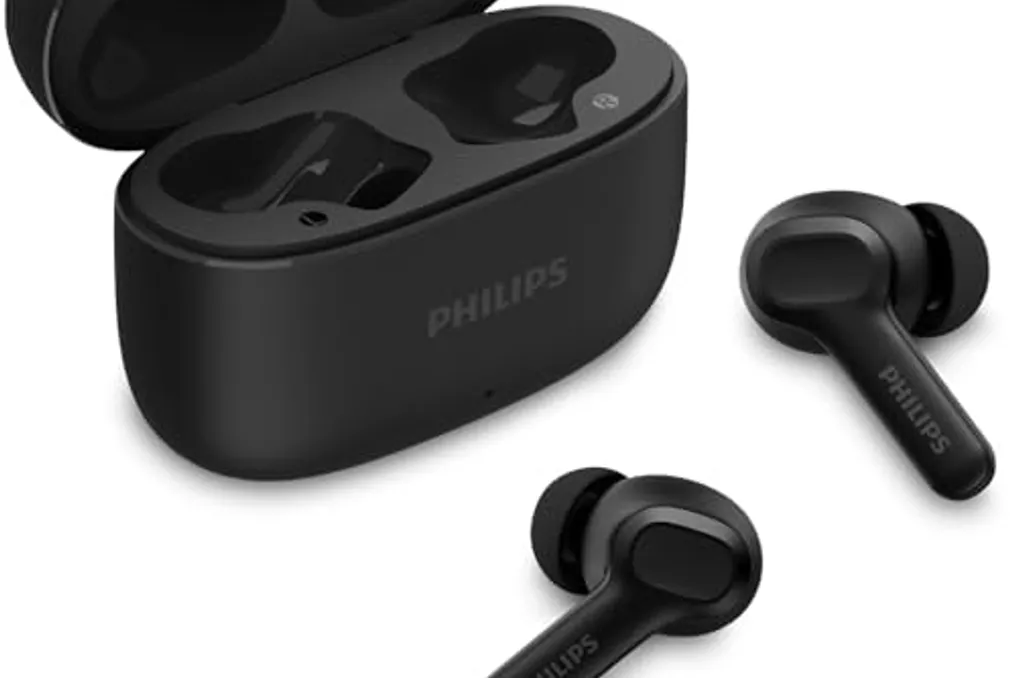
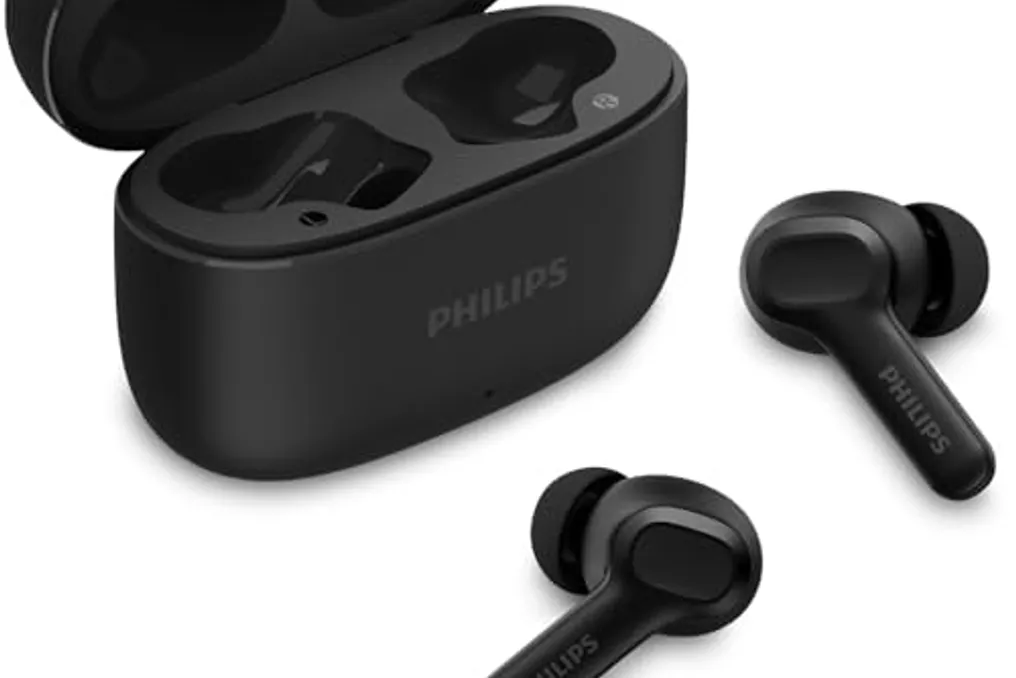
The JBL Endurance Race 2 in-ear headphones were specifically developed for athletes and runners, featuring an ergonomic enhancer to ensure stability and proper sealing. Each peripheral weighs 6.4 g and operates with Bluetooth 5.3, supporting up to two simultaneous pairings. Active noise cancellation allows adjustments to filter surrounding sounds. The 6.8 mm driver is compatible with JBL Pure Bass technology, providing more present bass, although the headphones do not support high-resolution audio. Batteries offer up to 12 hours of use, and the charging case provides three more full charges (totaling 36 hours). The case has IPX2 protection, while the headphones have IP68 certification for complete protection against water and dust. Codec support was not provided.
The Soundcore P40i are in-ear headphones, weighing 5 g each, and use Bluetooth 5.3. They support multipoint mode, allowing pairing with up to two devices simultaneously. The 11 mm driver is enhanced by BassUp technology to intensify bass. Additionally, there is 45 dB adaptive active noise cancellation and six AI microphones to optimize voice quality during calls. The battery promises 12 hours of duration, but recharging through the case can extend this autonomy up to 60 hours. The case also includes a stand to support the phone horizontally, facilitating viewing of videos and other content. Supported codecs are SBC and AAC.
The JBL Wave Buds 2 are in-ear headphones intended for daily use, with specifications quite similar to the JBL Endurance Race 2. Although they are slightly lighter (4.5 g each), they also have Bluetooth 5.3 and multipoint mode for up to two devices. Similarities extend to the hardware, including 8 mm dynamic drivers, JBL Pure Bass technology, active noise cancellation, and four microphones for clear calls. However, the JBL Wave Buds 2 offer an autonomy of 8 hours with ANC or 10 hours without ANC. The IP54 rating ensures partial protection against dust and only against water splashes. Supported codecs are AAC and SBC.
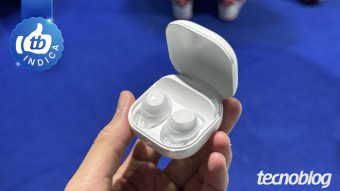
The Galaxy Buds Core are in-ear headphones weighing only 5.3 g each. They come with Bluetooth 5.4 and a multipoint mode called Auto Switch. It is important to note that simultaneous pairing only works between Samsung Galaxy devices, which restricts usability. The headphones have silicone securing tips to optimize passive isolation and enhance active noise cancellation. For calls, three microphones work in sync to capture voice with greater accuracy. IP54 protection guarantees defense against water splashes and sweat during physical exercise. The battery is a strong point, with autonomy of 20 hours with ANC or up to 35 hours without ANC. Supported codecs are AAC, SBC, and Scalable Codec.