Durban Port Recognized as Most Improved in the World, While Cape Town Lags in Rankings
Read more
Getaway
getaway.co.za

Durban Port Recognized as Most Improved in the World, While Cape Town Lags in Rankings

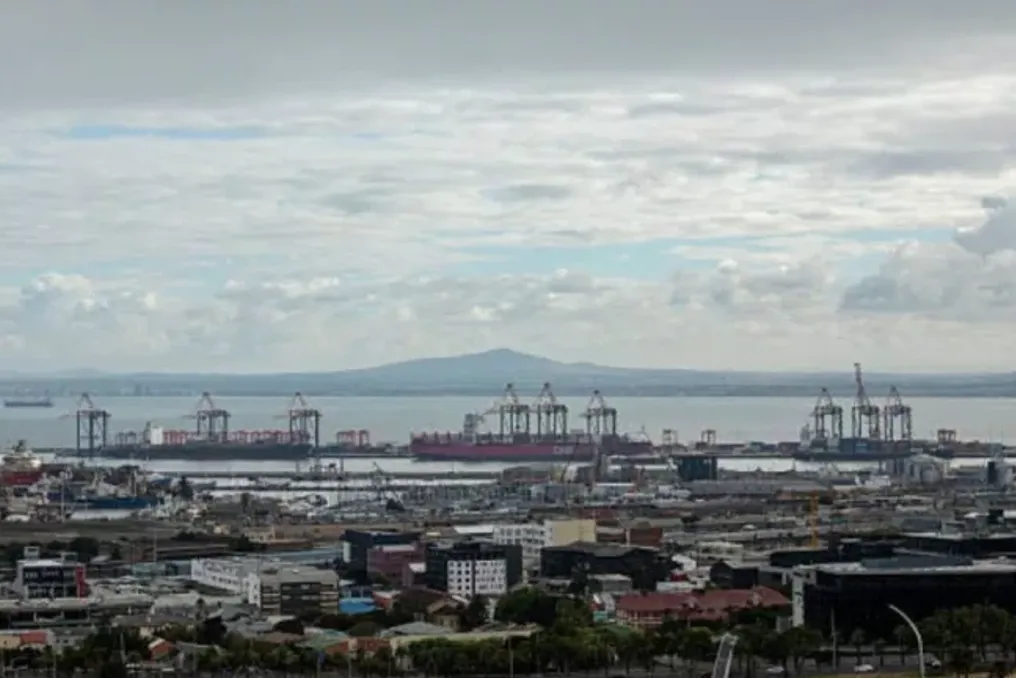
The Port of Durban has been recognized as the most improved enterprise globally according to the World Bank's Container Port Performance Index for 2025. Meanwhile, the Port of Cape Town ranked at the bottom among the assessed facilities.

According to BusinessTech, the Durban Container Port (DCP), which handles approximately 88 million tons of cargo annually, demonstrated significant recovery after ranking last among global container ports in 2024. This port is managed by the state-owned company Transnet and serves as South Africa's busiest cargo entry point.

The CPPI index, developed jointly with the World Bank and S&P, assesses the operational efficiency of 400 global ports, using vessel turnaround time as the primary performance indicator. In 2024, DCP was classified as the worst port due to long vessel waiting times and high turnover rates.

The 2025 ranking noted a sharp improvement, which CPPI attributes to operational stabilization, equipment restoration, and management reforms. The index also highlighted the substantial contribution to recovery made through increased public-private partnerships.

One of the most significant developments was the awarding in December 2025 of a 25-year concession to International Container Services (ICTSI), a Philippines-based company, to modernize the Pier 2 terminal in Durban. This deal attracted 11 billion Rand in investment into DCP.

CPPI noted that 'operational achievements were supported by new investments and increased private sector participation.' While the Port of Durban rose in the rankings, the Port of Cape Town remained in last place. CPPI attributed this low performance to uncontrollable factors such as adverse weather conditions and equipment reliability issues, leading to high variability in turnaround time.

Nevertheless, local stakeholders dispute these findings. Megan Gobbi, Deputy Chair of the Transport and Freight Committee of the Cape Town Chamber of Commerce, stated that the report does not reflect actual improvements in operations. Despite these objections, market participants agreed that CPPI remains a useful tool for analyzing global port activities.

Transnet, which manages both ports—in Durban and Cape Town—recently considered increasing private sector involvement at the Cape Town facility. The state-owned company requested proposals from companies to manage operations at the Western Cape facility under a 25-year contract. It is reported that Red Sea Gateway Terminal (RSGT), a Saudi Arabian port operator, was considering an application for part of the Cape Town facility as part of its international expansion, particularly in Africa.

Private partnership in Durban has yielded tangible benefits: crane efficiency at Pier 2 increased from 18 to 28 operations per hour since the beginning of the year. Minister of Transport Barbara Crisi recently noted that the Port of Cape Town has begun showing signs of improvement, recording a 16% growth in container traffic volume in the first quarter of the 2027 fiscal year, which occurred before the facility's busiest export season began.

Similar stories

Durban is viewed as a potential leader among coastal destinations for tourism and investment in Africa
Read more
iol.co.za

Durban is viewed as a potential leader among coastal destinations for tourism and investment in Africa

Tourism professional Brian Mpono believes that Durban has the potential to combine offerings in hospitality, lifestyle, entertainment, retail, and accommodation to stimulate tourism, attract investment, and create jobs.

Durban has gradually become one of Africa's most attractive coastal destinations as South Africa competes for tourism spending, investment, and global attention. Brian Mpono, an advocate for tourism and destination development, stated that the future of tourism lies in creating integrated destinations that combine hospitality, lifestyle, entertainment, retail, and lodging experiences.

According to Mpono, 'Durban has all the necessary ingredients to become one of the world's most desirable coastal destinations: climate, culture, accessibility, people, and natural beauty.' He noted that the opportunity lies in how the city packages and positions these assets for visitors and investors.

Private Sector Investment

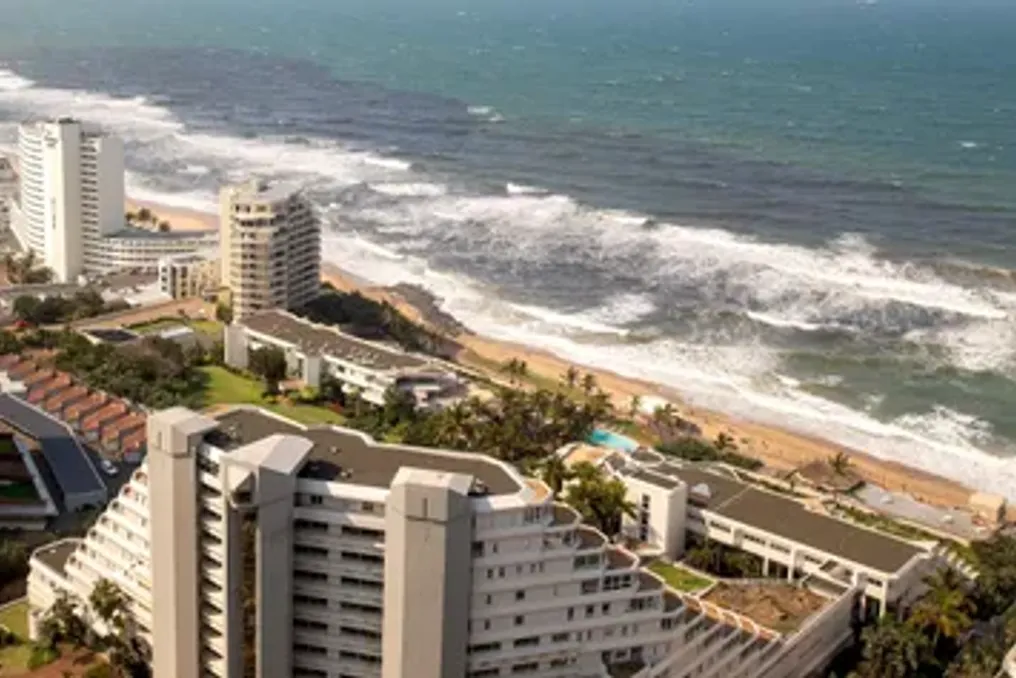
Over the last decade, private sector investments have contributed to the transformation of Durban's tourism landscape. Projects such as Oceans Umhlanga have demonstrated how hospitality, retail, accommodation, and lifestyle can be integrated to attract both local and international guests.

Mpono emphasized that tourism should increasingly be viewed as economic infrastructure rather than just a leisure sector. He stated: 'Tourism is not just about hotels and vacations. It is about jobs, investment, small business participation, aviation, housing construction, events, hospitality, and economic integration.'

He added that successful tourist destinations create opportunities that extend beyond their immediate sphere of influence.

Mpono, with experience in hospitality, tourism, and mixed-use development, advocated for tourism-based economic growth in both South Africa and across the African continent. His work focused on destination competitiveness, attracting investment, and the role of public-private partnerships in creating sustainable tourism ecosystems.

Defining Period

Looking ahead, Mpono reported that Durban is entering a defining period for its tourism development. He noted that the city has a chance to position itself not only as South Africa's playground but also as one of Africa's leading destinations for lifestyle, tourism, and investment.

Achieving this goal, in his opinion, will require continuous collaboration between government, investors, tourism authorities, and the private sector. Mpono believes that cities that recognize tourism as a strategy for economic growth, rather than just a sector, will be better prepared for the future.

Exploring South African Railway Towns of Interest to Travelers
Read more
getaway.co.za

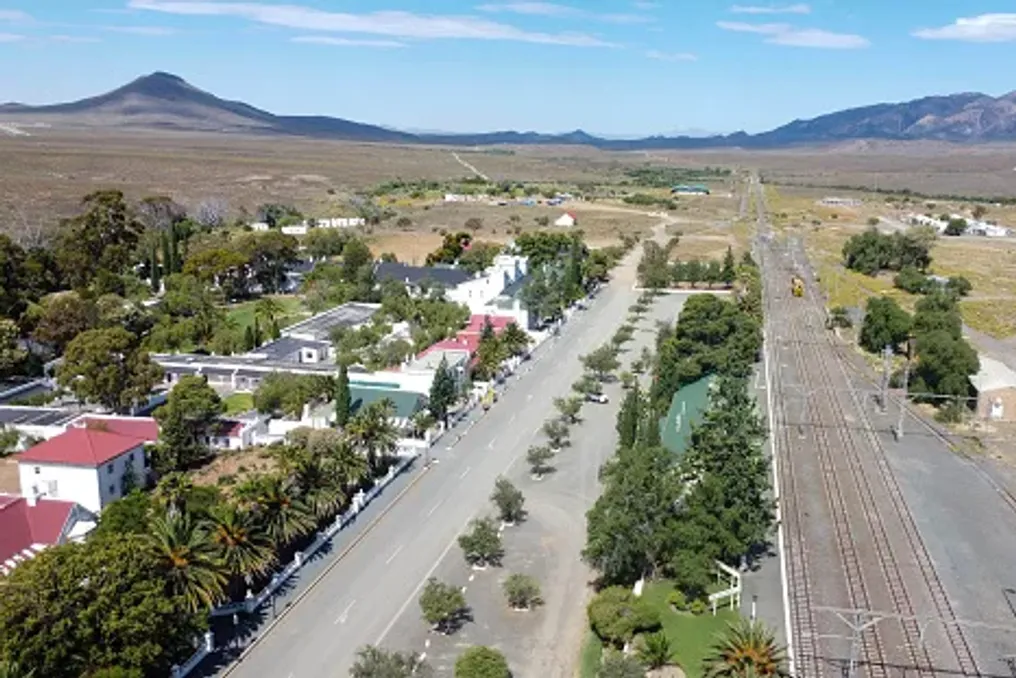
Exploring South African Railway Towns of Interest to Travelers

Before the advent of highways, railways were among the most vital arteries of South Africa. They facilitated the transport of people, livestock, goods, and mail over long distances, and railway stations helped transform remote settlements into thriving communities.

Some towns originated directly around railway junctions, while others evolved after the arrival of the lines. Today, the legacy of these railways is preserved in old stations, museums, architecture, and the surrounding landscape.

These four towns, ranging from a major hub in Karoo to a tiny Victorian village, offer a unique way to experience South Africa's railway heritage.

De Aar

De Aar became one of South Africa's most significant railway junctions, connecting Cape Town, the northern provinces, and neighboring countries. Its development is closely linked to the expansion of the rail network towards Kimberley and the diamond mines.

Today, the railway remains a central element of De Aar's identity, although the surrounding Karoo landscape offers a vastly different experience compared to the bustling hub it once was. It is recommended to start by exploring the railway district and the town's old buildings, then study the local history before venturing into the Karoo surroundings.

The nature around De Aar is classic Karoo: vast plains, dry hills, and an immense sense of space. In the wider area, examples of Khoisan rock art can also be found.

The second day should be dedicated to a slower exploration of the surrounding landscape and local heritage before continuing the journey.

Leyersvlei

The railway reached the Leyersvlei area in 1878, helping to transform a small settlement into a town. However, Leyersvlei is known for another event that drastically changed its history. In January 1981, a catastrophic flood swept through the town, claiming 104 lives and destroying a significant part of the settlement.

Thus, the railway is only one part of Leyersvlei's story. Visiting this place allows one to see how transport, settlement, natural disaster, and recovery are intertwined. One should start at the Leyersvlei Flood Museum, where photographs, artifacts, and personal testimonies document the devastating 1981 flood. Afterward, one can walk through the town to find reminders of the disaster, including flood marks on some historic buildings. The second day can be spent exploring the surrounding Karoo landscape; this area is known for its arid terrain, unusual geology, and rich fossil formations, making it a worthwhile stop even outside the context of railway history.

Matjiesfontein

Matjiesfontein may be the most atmospheric railway stop listed. The railway station opened in 1878, and the current Victorian station building dates back to 1890. Later, railwayman James Douglas Logan developed the settlement into a village and health resort.

Today, the well-preserved buildings give visitors insight into the railway era. It is worth starting at the station and the railway museum, which includes a historical station master's office and an original signal box. Then, one can stroll through the village on foot. The old bank, town hall, chapel, and other Victorian buildings are within easy reach. The transport museum complements the experience with vintage cars, bicycles, a former London bus, a steam locomotive, and railway carriages. One can stay for lunch or dinner at the Lord Milner Hotel and take an evening walk through the village, watching the light change across the Karoo.

On the second morning, another walk through Matjiesfontein can be taken before heading out into the surrounding landscape.

Colesberg

Unlike De Aar and Matjiesfontein, Colesberg existed long before the arrival of the railway. Founded in 1830, the town was already an important stopping point for people traveling inland. The railway later added another layer to its history, with the station dating from the late 19th century. This makes Colesberg particularly interesting for understanding how railways connected existing communities to a much larger network.

One should start at the Kemper Museum, located in the historic Colesberg bank building, and then explore the heritage-rich streets of the town. Attention should be paid to the Cape Dutch and Victorian architectural styles, old churches, and historic commercial buildings that reveal the character of the nineteenth-century town.

Colesberg also has strong ties to the South African War, so military history enthusiasts can visit memorials and adjacent sites.

The second day can be spent outside the town, enjoying the Karoo's hills, wide plains, and characteristic Colescope before continuing the road trip.

The history of South African railways is often associated with famous trains, grand stations, and luxurious journeys. However, the most interesting stories are found in the small towns.

De Aar demonstrates how a railway junction can shape an entire community. Leyersvlei shows the interconnection between transport, settlement, and disaster. Matjiesfontein preserves the atmosphere of a Victorian railway village, while Colesberg illustrates how the railway became part of the older Karoo landscape. Together, they offer a different way to travel through the interior. Instead of just driving past somewhere on the way, one should slow down at a station, visit a museum, look at old buildings, and look beyond the tracks. Although the railway may no longer define these towns as it once did, its legacy remains woven into their streets, histories, and landscapes.

Five Places in South Africa Best Visited Early in the Morning
Read more
getaway.co.za

Five Places in South Africa Best Visited Early in the Morning

An early start doesn't always mean chasing the sunrise. In some places, it simply means arriving before the heat, crowds, or daytime bad weather sets in. In others, the morning offers a chance to witness daily life that fades as the day gets busier.

These five destinations, ranging from a wildlife-rich national park in the Eastern Cape to a legendary birdwatching route in Limpopo, are worth adding to your itinerary.

Addo Elephant National Park

If there is one place on this list where an early rise is almost inevitable, it is Addo Elephant National Park. This reserve in the Eastern Cape is known for its elephants, but the wildlife experiences go far beyond the park's name. According to SANParks, lions and spotted hyenas are among the animals most frequently seen early in the morning or in the evening.

SANParks also organizes special morning safari tours from Addo Main Camp. Currently, departure times are 05:30 in summer and 06:30 in winter, with trips lasting about two hours. For those driving independently, the early hours offer an added advantage: you can spend the cooler part of the morning exploring the park before the day heats up.

If you want a guide to help track wildlife and interpret what you see, book a morning safari tour. Alternatively, overnight visitors can begin a self-drive trip through the game viewing area early in the morning. Pay attention to the waterholes and the park's road network. While elephants are undoubtedly the main attraction, there is always a chance to spot zebras, antelopes, buffalo, wild pigs, and predators.

Morning tip: if you are booking a guided tour, check the departure time when reserving, as SANParks adjusts it according to the season.

Golden Gate

Golden Gate is the choice if you want your early start to be dedicated to landscapes rather than wildlife. Located at the foot of the Maloti Mountains, the park is famous for its sandstone formations, rolling grasslands, and wide vistas. SANParks describes the landscape as particularly impressive when the sandstone cliffs catch the changing light.

The morning is a good time for hiking, especially if you plan to tackle one of the park's longer routes. The Ribbok Trail covers 28 kilometers and passes through habitat where black wildebeest, bluebucks, zebras, eland, and springboks can be seen. The park also supports around 200 species of birds.

You don't have to commit to a multi-day trek. Shorter walks and viewpoints allow visitors to enjoy the scenery without turning the outing into an endurance test. Head out early for a walk among the sandstone cliffs or take a scenic drive through the park while the landscape remains cool and quiet. Ornithologists should also bring binoculars. Species found in the park include bearded vultures, blue ibises, and black eagles.

Morning tip: choose a route that matches your fitness level and check conditions before heading out. Longer trails require more preparation than a short morning walk. In few places in South Africa can you find such a dramatic combination of habitats in a single morning.

iSimangaliso Wetland Park

In iSimangaliso Nature Reserve, the landscape around St Lucia and Cape Vidal combines coastal forest, grasslands, wetlands, and the Indian Ocean. The World Heritage site spans a vast area of land and sea and includes South Africa's largest marine protected area. It is also home to over 500 species of birds.

An early start allows you to experience the Eastern Shores before it gets hot. Move slowly through the wildlife habitats, stop to observe birds and other animals, and then continue towards the coast. In Cape Vidal, the Indian Ocean is close to the rich wildlife protected land, creating a unique opportunity to combine coastal relaxation with a morning safari.

Start with an early drive along the Eastern Shores, making stops at suitable locations for bird and wildlife watching, and then head to Cape Vidal for a change of scenery. Depending on conditions and season, you may encounter antelopes, buffalo, hippos, birds, and other wildlife before reaching the beach. Then switch from wildlife viewing transport to walking shoes and explore the coast.

Morning tip: allocate enough time. iSimangaliso is vast, and the experience will be better if you don't rush between the wetlands and the coast. For bird lovers, the early start is less about getting somewhere before tourists arrive and more about being outdoors while the birds are active.

The Komo-Komo Lagoon, located between Pretoria and Bela-Bela, is considered one of South Africa's most productive birdwatching areas. The landscape combines wetlands, seasonal ponds, grassy plains, and bushveld, creating a habitat for incredible diversity of species. The BirdLife South Africa GoBirding guide recommends arriving at Moretele Bridge as early as possible, especially when the floodplain is wet. Waterfowl can be observed from the road, while species like the African kraai, little egret, and large painted swift may be among the more elusive sightings.

Over 430 bird species are registered in the wider area, with biodiversity potentially peaking in the summer. Bring binoculars, a field guide, and a lot of patience. Instead of rushing from one sighting to another, spend time observing the floodplain, the river, and the surrounding scrubland. Birdwatching along the road can be surprisingly rewarding, with sights ranging from egrets and gulls to raptors, kraals, cuckoos, and migratory warblers, depending on the season and water levels. The nearby Zaagkuilsdrift reserve and lodge also provide bird hides and viewing areas for visitors seeking a more structured birdwatching experience.

Morning tip: Summer, especially after good rains, can transform the floodplain and lead to a surge in wetland species. Road and access conditions can also change after rain, so check local conditions before setting off.

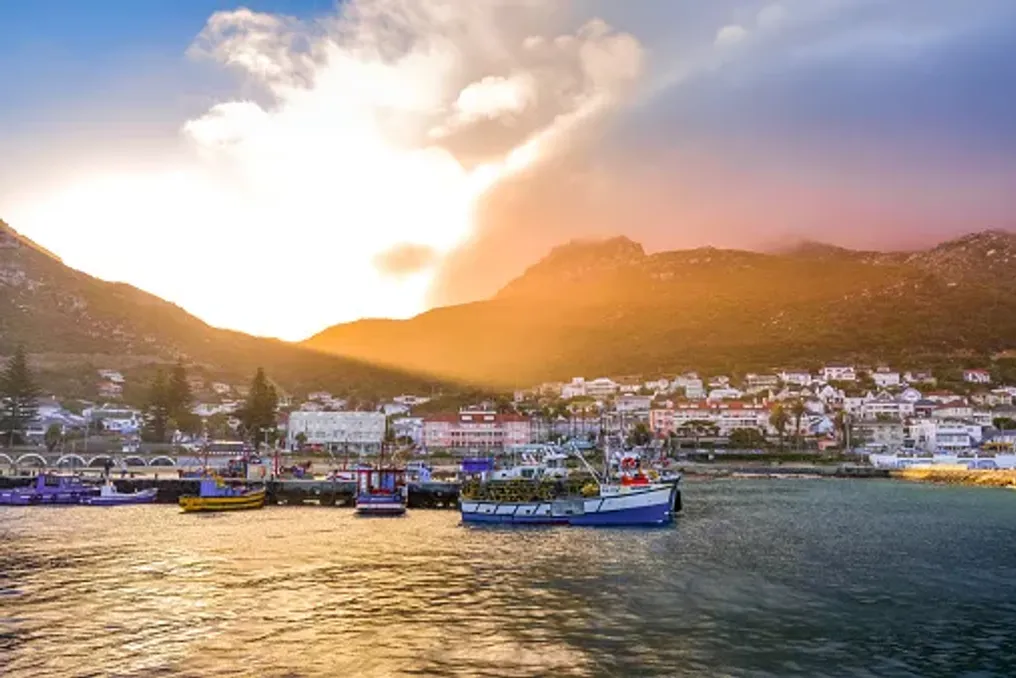
Kalk Bay

Kalk Bay might be the most urban destination on this list, but it deserves its spot because the morning reveals a side of the village that can be missed later in the day. The working harbour remains a central element of Kalk Bay's identity. The tourism company Cape Town Tourism describes the village as a fishing village where fishermen head out to False Bay, and visitors can buy fresh seafood near the harbour.

The harbour is particularly pleasant in the morning when fishing boats return with their catch, and activity on the pier increases. It is also a good place to start a longer morning journey across the Southern Peninsula, rather than treating it as a quick photo stop. Start at the harbour, watching the boats, fishermen, and seals, before strolling along the waterfront. From there, explore the village's main street, grab breakfast, and head towards St James or Muizenberg along the coastal route. The area also features tidal pools, independent shops, cafes, and restaurants, allowing an early visit to the harbour to easily turn into a relaxing half-day outing.

Morning tip: Fishing activity depends on weather and sea conditions, so there is no guarantee that boats will return at a specific time. However, the earlier you arrive, the higher the chance you will see the port in action.

The best-known destinations in South Africa are often associated with specific activities: safaris, hiking, birdwatching, beaches, or food. But timing can be as important as location. In Addo, it might place you in the park during hours when predators are more likely to be active. In Golden Gate, it allows you to walk before the heat sets in. In iSimangaliso, it creates time for both wildlife and the coast. In the Komo-Komo floodplain, the first hours of the day can be some of the most rewarding for birdwatching. And in Kalk Bay, an early arrival allows you to see a working fishing village before the day enters its tourist rhythm. Sometimes it is simply an opportunity to enjoy the famous South African landscape almost alone.
Popular