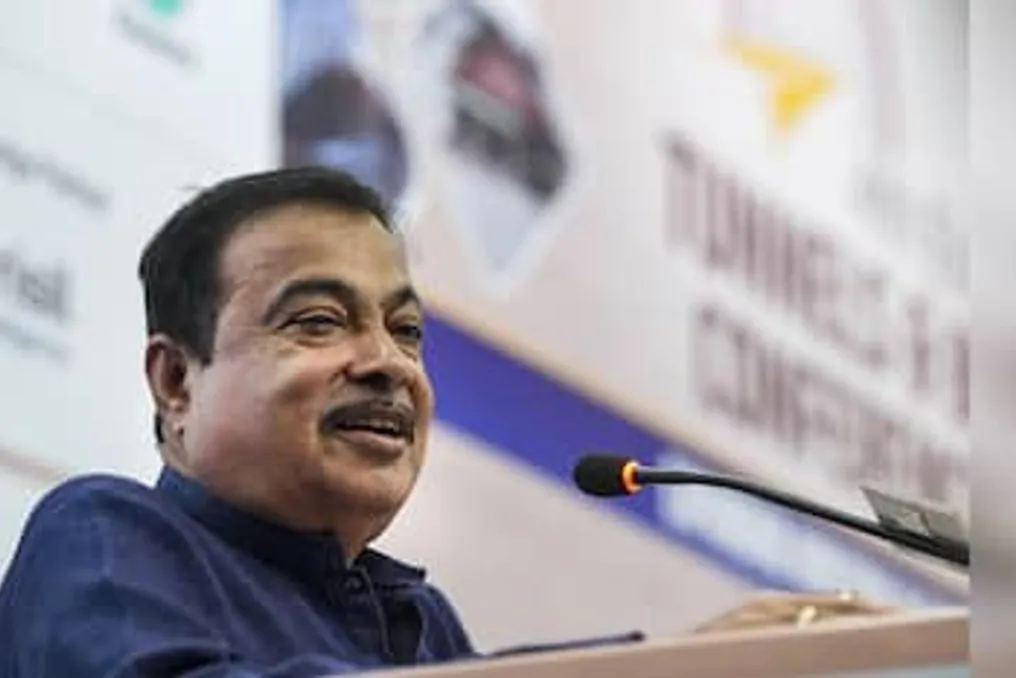
Transport Minister Gadkari presents device for modernization that reduces particulate emissions by 90%
Read more
Business Standard
business-standard.com

Transport Minister Gadkari presents device for modernization that reduces particulate emissions by 90%

The Minister of Road Transport announced the approval of new AIS 228 standards concerning the installation of emission control devices on the rear of older commercial vehicles that do not comply with the BS6 standard. This technology is capable of reducing particulate matter emissions by 90 percent and nitrogen oxide (NOx) emissions by 60 percent.

According to Gadkari, this device, developed by a team led by IIT Delhi, costs around 4000–5000 rupees and has demonstrated that the emissions of a modernized vehicle (BS4) are comparable to those of a BS6 standard vehicle.

Simultaneously, Gadkari urged automakers to actively support the government's program for purchasing old vehicles by offering discounts to customers who trade in old cars and purchase new ones. He emphasized that the industry should view buyback as a commercial opportunity to stimulate sales and production, rather than merely a government recommendation.

Under the 'Parivart' program for the Delhi-NCR region, launched in July, it is planned to buy back over 200 thousand old trucks and buses, providing incentives for the purchase of new BS6 standard vehicles and electric vehicles. Gadkari asked original equipment manufacturers (OEMs) to provide additional benefits when presenting buyback certificates, which will help accelerate fleet renewal and create demand for new vehicles.

This dual approach—modernizing old vehicles and accelerating their replacement through buyback—is being implemented within the context of the government's efforts to combat vehicular emissions in the NCR and support the modernization of commercial transport.

Furthermore, Gadkari noted the significant success of the Bharat NCAP program, under which more than 30 models from 11 companies have already been certified. He added that this initiative has substantially reduced the cost of vehicle safety testing: testing under Bharat NCAP costs approximately 60 lakh rupees per model compared to 2.5 crore rupees under Global NCAP.

The reduction in costs has even prompted foreign automakers to send their vehicles to India for testing. Gadkari also stated that the program helps enhance the trust and quality of Indian vehicles in global markets.

To further this work, Gadkari announced that the government intends to introduce Bharat NCAP 2 starting October 2027. The expanded assessment mode will cover not only collision safety but also the entire safety chain, including collision avoidance, passenger protection, pedestrian protection, as well as post-accident evacuation and assistance. He also mentioned that the government will evaluate new global technologies and innovations developed by Indian startups under the expanded safety mode, inviting the automotive industry to share proposals and technologies for inclusion in the program.

Similar stories

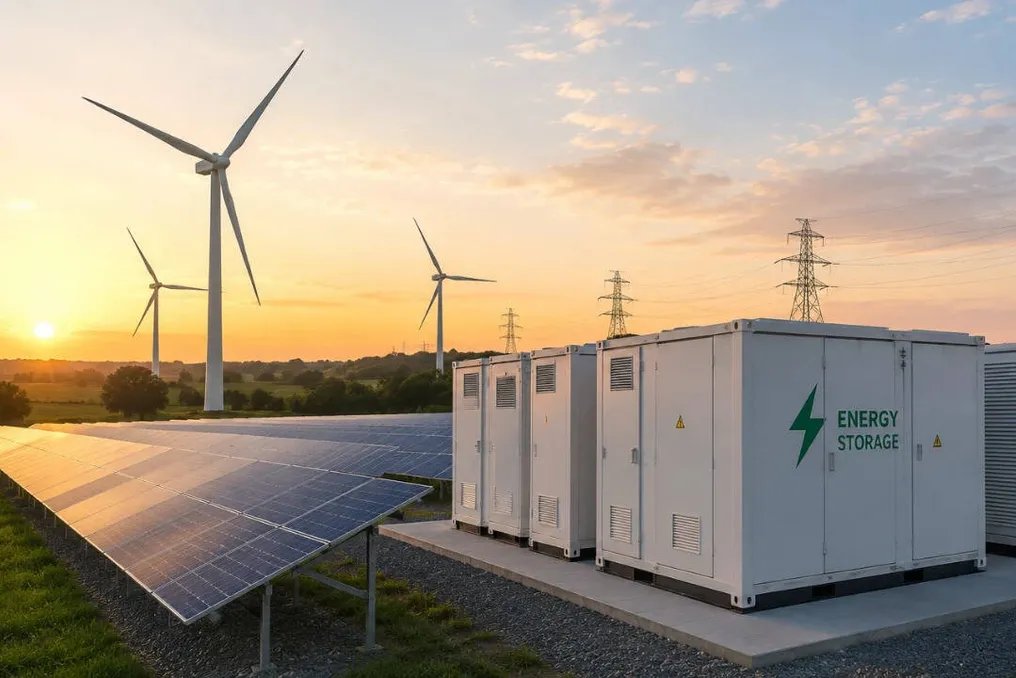
CEA proposes mandatory energy storage for solar and wind generation projects
Read more
timesofindia.indiatimes.com

CEA proposes mandatory energy storage for solar and wind generation projects

The government proposes the phased introduction of an energy storage requirement for new solar and wind power facilities, starting in 2027. This requirement will become part of revised technical standards for renewable energy enterprises.

According to the proposal, new solar and wind energy generation projects may be required to install battery storage alongside generation capacity. Initially, the requirement will stipulate the installation of a capacity equivalent to 10% with a two-hour operating duration.

Although there is a large amount of renewable generation during the operation hours of solar power plants, insufficient capacity to export this energy can lead to its curtailment. Storage systems will allow surplus electricity to be accumulated and used during periods when the sun is not shining.

FSSAI begins inspection of CG Foods due to unsafe product handling
Read more
business-standard.com

FSSAI begins inspection of CG Foods due to unsafe product handling

The food safety regulatory body, FSSAI, has initiated mandatory measures against CG Foods India Pvt Ltd, the manufacturer of Wai-Wai noodles, due to unsafe production processes, illegal manufacturing of bhujji, and the use of outdated packaging. This was reported by FSSAI in a post on the social media platform X.

The inspection was conducted at the company's facility in Roopangarh, Ajmer, Rajasthan, to verify compliance with production and hygiene standards. During the inspection, the regulator discovered that broken noodles collected from the floor were being reprocessed into bhujji products without heat treatment, and packaging with expired dates was also in use.

FSSAI stated in its message that 'The illegal production of Wai-Wai MaMa and Wai-Wai Mama Punte bhujji variants is a direct violation of Section 31(1) of the Food Safety Act 2006.' Furthermore, 1925 boxes of expired ready-to-eat products were found and detained, and strict legal proceedings have been initiated against the Food Business Operator (FBO).

The Food Business Operator was directed to cease the production of vegetarian bhujji snacks without proper permissions and measures. FSSAI also announced that further regulatory action will be taken based on the results of laboratory analysis and inspections in accordance with the Food Safety and Standards Act and Standards of 2006.

Popular