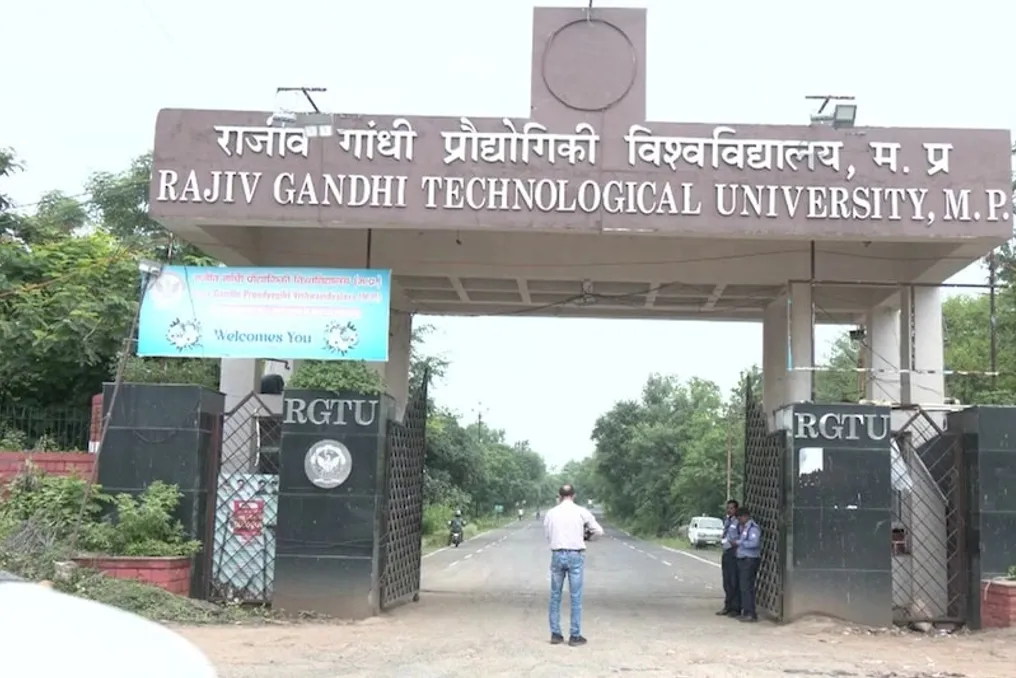
Rajiv Gandhi Technological University (RGPV) in the state of Madhya Pradesh has come under scrutiny due to a proposal to divide it into three parts and change its name, sparking serious political and financial disputes. This university, which has existed for 26 years, has faced criticism from both the opposition and its own staff.
On one hand, the Congress party opposes the removal of Rajiv Gandhi's name from the RGPV title. On the other hand, university employees have opposed the plan to split into three institutions. On Thursday, university workers held a demonstration protesting the government's decision to create three universities.
Staff emphasize that the issue goes beyond a simple division of the university; it is closely linked to financial matters. They point out that RGPV is a self-financing university, and this system covers expenses, including employee salaries. A serious question arises about how the economic model will change if the university is divided into three parts.
Dividing one university into three separate entities necessitates the creation of three different administrative structures. Furthermore, the question is raised as to how much the costs for offices and other administrative amenities will increase for these new structures. It is estimated that after the creation of three independent universities, annual additional administrative costs could increase by approximately 30–40 million rupees.
Thus, the situation is not limited to just a name change or reorganization of the university; it involves the question of annual additional expenses. A natural question arises: how will the administrative maintenance of these three universities be covered if RGPV is divided?
The creation of three universities implies not only the distribution of administrative positions but also the need for new buildings, infrastructure, and other necessary facilities. Forecasts suggest that up to 200 million rupees may be spent on building new structures and developing infrastructure. Therefore, the government faces the task not only of deciding on the creation of these universities but also of ensuring the continuous funding of their operations.
University staff who participated in the demonstration on Thursday insisted that the university is self-financing, and these revenues cover all needs, from salaries to other expenses. They demand that the government guarantee that the new universities will have sufficient sources of income.
Staff warn that simply creating three universities is not enough; a clear economic scheme is required to cover the costs of their management, staff salaries, and other needs. They fear that if the source of income is not determined, and the costs of three separate universities increase, serious financial difficulties may arise.
The staff's demand is direct: how will the financial needs of all three educational institutions be met if the existing university structure is divided? The opposition also questions the government regarding the RGPV reorganization proposal. Ravi Parmar from the Congress NSUI student wing stated that the government is already in debt, raising the question of where the funds for the additional expenditure associated with creating three universities will come from.
The opposition emphasizes that besides the need for separate administrative systems, offices, and other amenities for the three universities, there is a projected annual additional administrative cost of 30–40 million rupees and initial infrastructure costs of up to 200 million rupees.
Thus, the RGPV reorganization plan now includes not only educational issues but also complex aspects of financial management. In addition to the division into three parts, there is also a dispute over changing the university's name, as the Congress opposes the removal of Rajiv Gandhi's name. Ultimately, this proposal touches upon two different aspects: the reorganization of the university and the issue of changing its name.