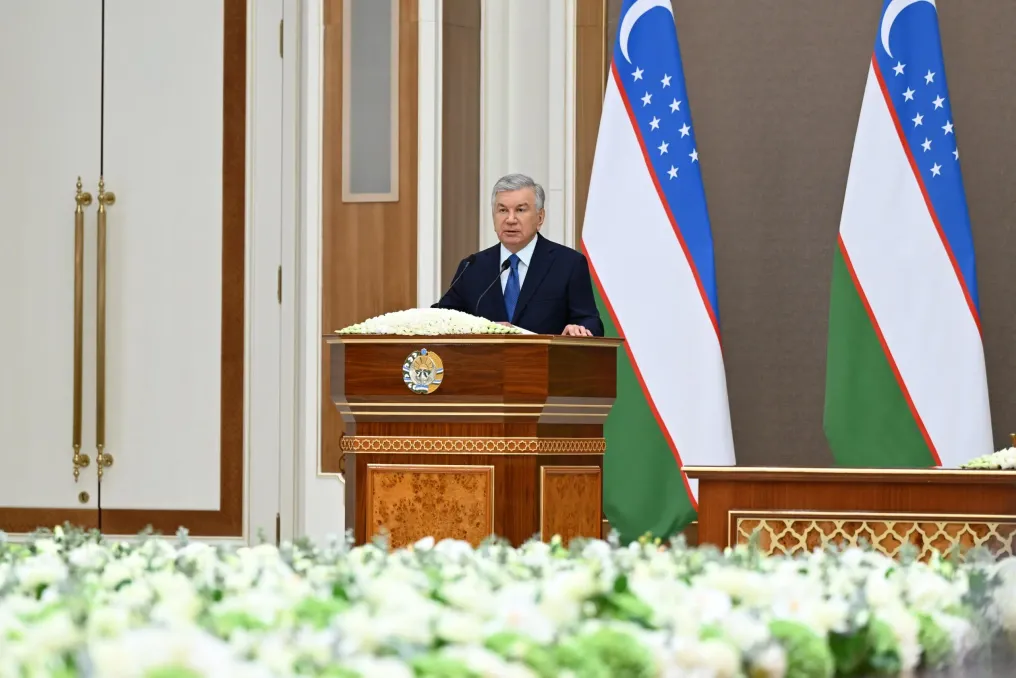
President Shavkat Mirziyoyev announced at the government meeting on September 3, 2026, a comprehensive evaluation of the work of all 8992 hokim assistants in Uzbekistan's mahallas, as well as a review of mechanisms for distributing business loans, subsidies, and compensations.
Under the new policy, the conditions for providing loans, subsidies, and financial assistance will no longer be set by presidential decrees. Instead, the Ministry of Economy and Finance, together with the Central Bank of Uzbekistan, will update financing mechanisms quarterly to align with regional specifics and economic potential.
Changes in Administrative Structure
The administrative structure responsible for local implementation will undergo significant reorganization. District headquarters must transition the hokim assistants to a project-based work model. To facilitate this transition, all 8992 hokim assistants will be appointed as temporary appointees until official certification is completed. Personnel demonstrating initiative and efficiency will be reappointed, while employees who do not meet performance standards will be replaced.
Within two months, a specialized training center will be established with the involvement of international experts to train hokim assistants in developing and managing commercial projects. Furthermore, regional headquarters will send the two best hokim assistants from each district annually for advanced training in China, Japan, and Turkey. Highly effective personnel will receive a special qualification level and a salary supplement of up to fifty percent. Similar opportunities for foreign training and internships will be available to local mahalla bankers.
The General Prosecutor's Office has been instructed to eliminate administrative obstacles that prevent local assistants and bankers from making independent decisions and taking operational responsibility.
Decentralization of Infrastructure Projects
The government is also decentralizing the implementation of entrepreneurial infrastructure projects. To prevent delays caused by the regional level of administration, project owner authority will be transferred directly to district authorities, and funding will come locally. Additional funds exceeding local allocations by two to three times will be allocated from the national budget for infrastructure projects in priority mahallas. District headquarters leaders will oversee project design and development, having the right to engage private contractors for design, construction, and quality control, while retaining primary responsibility for project implementation.