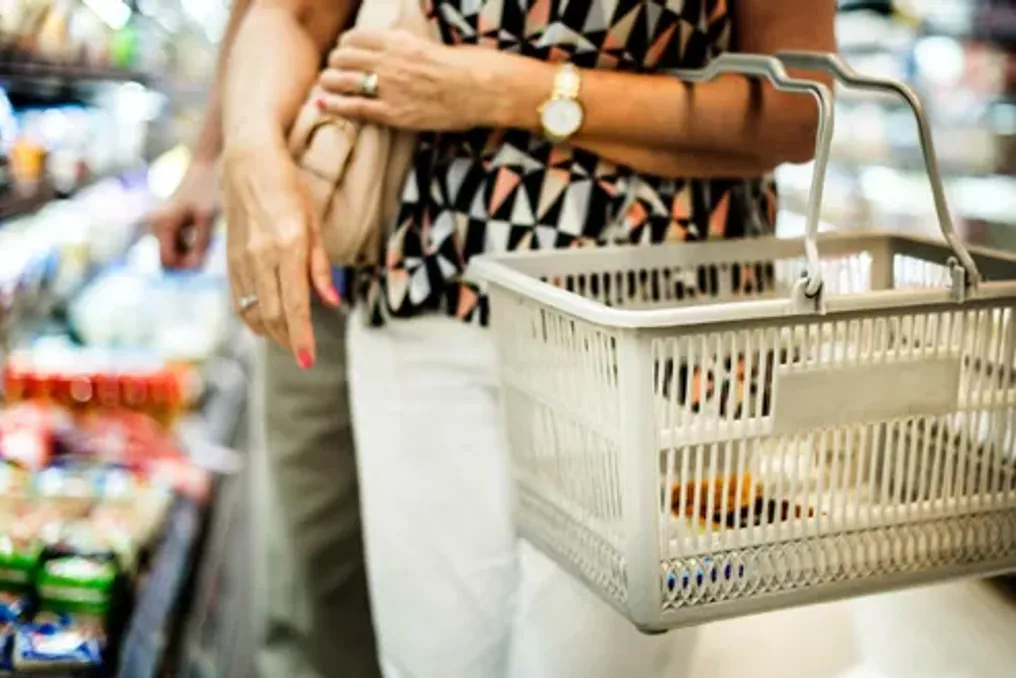
Since food continues to take up a significant portion of the family budget, it is worth looking deeper than just the price on the shelf and considering how exactly we shop. There is a difference between buying an item at a lower price and achieving overall cost reduction.
A 'two for the price of one' promotion might seem like a good deal until one of those items ends up unused in the back corner of the pantry. A larger package might offer a lower price per unit, but this is not true if your family cannot consume it in time.
Furthermore, small trips to the store 'just for one thing' can add up surprisingly quickly.
Buying groceries without a list
Going to the supermarket without a pre-made list significantly increases the likelihood of buying unnecessary items. Before leaving home, you need to check the contents of the refrigerator, freezer, and cupboards. Then, create a list based on what has actually run out and what is planned to be used. The key to success is strictly following this list while in the store.
Buying large packages due to perceived cheapness
Bulk buying can make sense, especially for large households, but a larger package does not always mean better value. Whenever possible, check the price per kilogram, liter, or per individual item. You also need to consider how quickly you will be able to use it. It is pointless to buy a large quantity of something if part of that product will eventually be thrown away.
Assuming every sale is a saving
A special offer is not necessarily a bargain if you would have bought the product anyway. Multi-buy promotions can encourage spending more than planned, especially if the extra items are ones you do not use regularly. Before putting a sale item in the cart, ask yourself if you would buy it at full price. The fact that a product is on sale does not always guarantee that it will cost you less in the long run.
Shopping when hungry
A hungry shopper becomes easily susceptible to temptation. A pack of cookies, a chocolate bar, or a ready-made meal can suddenly seem like a good idea during a weekly grocery trip on an empty stomach. Eating before going to the store helps focus on what you originally intended to buy.
Making too many quick trips
It is easy to pop into the supermarket for a forgotten item and leave with five things. These small top-ups can unknowingly increase your grocery expenses, especially if they become a regular habit. You need to keep a running shopping list at home and add items as you notice they are running low. This will help plan the next full purchase instead of relying on memory.
Buying more fresh produce than you can eat
Buying fresh fruits and vegetables with good intentions does not lead to savings if most of them end up in the trash. If you regularly throw away fresh produce, note down exactly what remains unused. Perhaps you need two avocados instead of four, one bunch of cilantro instead of two, or a smaller bag of apples. Buying according to what your family actually eats will be more economical than buying what you hope to eat. If you don't finish all the fresh produce, it will inevitably end up in the trash.
Automatically choosing familiar brands
Brand loyalty can speed up the shopping process, but it is worth comparing different products from time to time. Pay attention to the price and quantity, rather than just grabbing the same package out of habit. You might find that a more affordable alternative works perfectly well for some everyday items.
Ignoring the freezer
Before buying extra meat, bread, or frozen goods, it is worth checking inside the freezer. It is easy to forget about items that were hidden and buy even more of the same thing during the next trip to the store. Maintaining reasonable order in the freezer helps you see what you already have and use it before buying new.
Paying for convenience without thinking
Pre-cut vegetables, individually packaged snacks, and ready meals can save time, and sometimes that convenience comes at a cost. The problem arises when convenience becomes the norm. For some products, a little extra preparation yourself can reduce the cost. You should decide whether you are paying for real convenience or simply making a purchase out of habit. It is much cheaper to just cut your own vegetables.
Not checking what you throw away
Your trash can can tell you a surprising amount about your shopping habits. If bread, leftovers, fresh produce, or dairy products are regularly thrown away, that is money you have already spent but are not getting any value from. You don't have to stop buying these items; perhaps you just need to buy less or plan how you will use them.
The goal is to reduce waste, not just spend less
Saving money on groceries does not mean buying the cheapest item on the shelf or giving up all treats. It is about ensuring that the money spent goes towards food that your family actually uses. A little planning before going to the store, fewer impulse purchases, and a realistic view of your family's consumption can simplify managing the grocery bill. Sometimes the easiest way to save is not to find a cheaper product, but to avoid buying what you didn't need in the first place.