In the field of education, there is often a preference for what is easy to measure, such as grades, rankings, and university admissions. However, these indicators reflect only part of the picture. The true work of education happens in the spaces between these metrics, where character is formed, self-confidence is strengthened, and personality begins to emerge.
As the surrounding world becomes increasingly complex, this broader view of education ceases to be merely a philosophical idea—it becomes a necessity. The future will demand much more from young people than just academic competence. It will require young people who can think critically, adapt quickly, collaborate effectively, and lead with empathy. Here, the golden rule of modern education becomes evident: the most effective schools develop the child holistically.
This principle is confirmed in many areas. In the technological sphere, the focus has shifted from simple access to tools to how those tools are used to engage, support, and empower every student. Digital innovations reach their maximum potential only when they are human-centered, reduce barriers rather than create them, and when teachers remain at the center of the learning process.
This speaks to something deeper than technical skill; it reflects a mindset. A digital student is not just someone who knows how to navigate platforms, but someone capable of questioning, creating, and adapting in a rapidly changing environment. This is already being observed in South Africa, where children engage in coding, robotics, and digital content creation, demonstrating ingenuity and resilience. The lesson here is clear: technology, when used correctly, expands human potential but does not define it.
A similar truth is found in sports. There is a persistent misconception that academic and athletic excellence are contradictory. In reality, they mutually reinforce each other. Sports instill discipline, resilience, teamwork, and leadership qualities that directly translate into academic and personal success.
Furthermore, sports create environments where young people learn to cope with adversity. They experience failure and recovery, pressure and performance, individual responsibility and collective effort. These are not abstract life skills, but lived experiences that shape youth's approach to complexity both inside and outside the classroom. When we place sports at the center, rather than on the periphery, we are not distracting from studies; we are strengthening the foundations that make academic success sustainable.
Art offers another dimension to this holistic approach. In a world increasingly influenced by artificial intelligence, unique human abilities developed through creative self-expression become more valuable, not less. Creativity, emotional intelligence, imagination, and the ability to generate original ideas are precisely the qualities that cannot be automated.
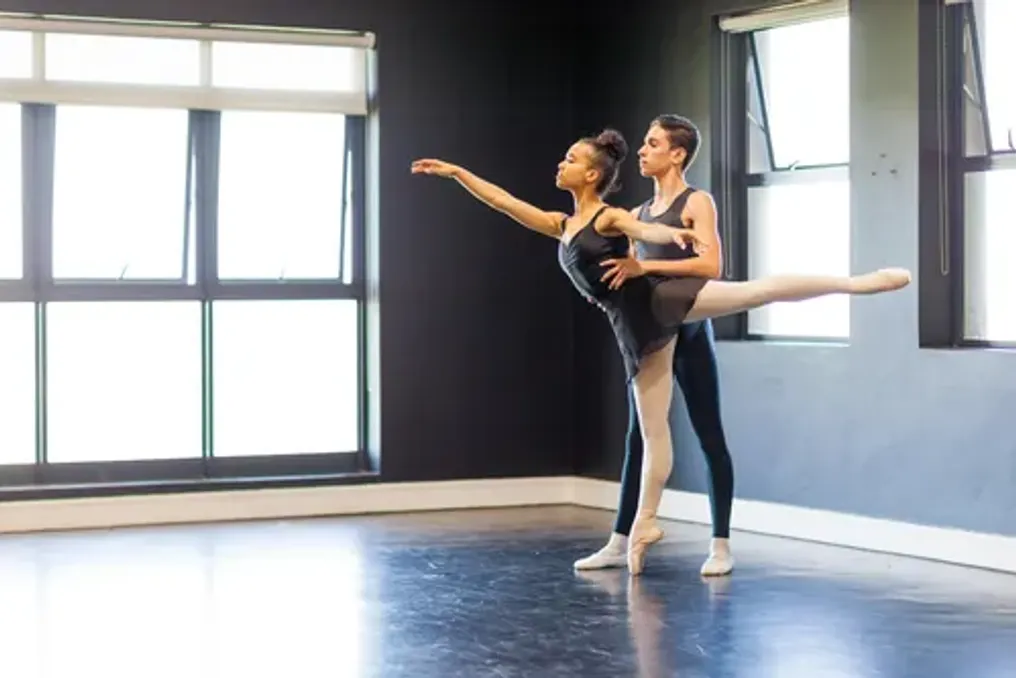
Through music, drama, dance, and visual arts, students learn to interpret the world, express their identity, and interact with complexity in multifaceted ways. They gain discipline through practice, confidence through performance, and empathy through storytelling. By doing so, they prepare not only for potential careers in creative industries but also arm themselves with skills necessary in all fields.
What unites these seemingly different areas—technology, sports, and art—is the ultimate outcome. Each develops aspects of the human experience that traditional academic measures cannot fully capture. Each contributes to shaping a personality that is capable, confident, and adaptive. And each reinforces the central idea that education is not about creating one type of success, but about unlocking diverse forms of potential.