In the field of scientific competence development, one of the most complex tasks is not implementing programs, but measuring their sustainable impact. Annual reports often demonstrate impressive statistics on seminars held, early researchers trained, and certificates issued, reflecting the scope and immediate success of the program.
However, these indicators only superficially address the issue, as they do not reveal whether such investments lead to long-term scientific leadership and innovation. While recognizing the value of training seminars, research cruises, and mentorship initiatives is crucial, it must be understood that mere participation does not equate to genuine capacity building; it is only the initial stage of a much longer journey.
Unlike material infrastructure projects, human potential develops gradually and often does not yield immediate, measurable returns. Initial success may manifest in intangible aspects, such as increased confidence, expanded professional networks, and improved technical skills, which are difficult to incorporate into standard evaluation metrics. The challenge lies in recognizing the long-term benefits of these initial investments.
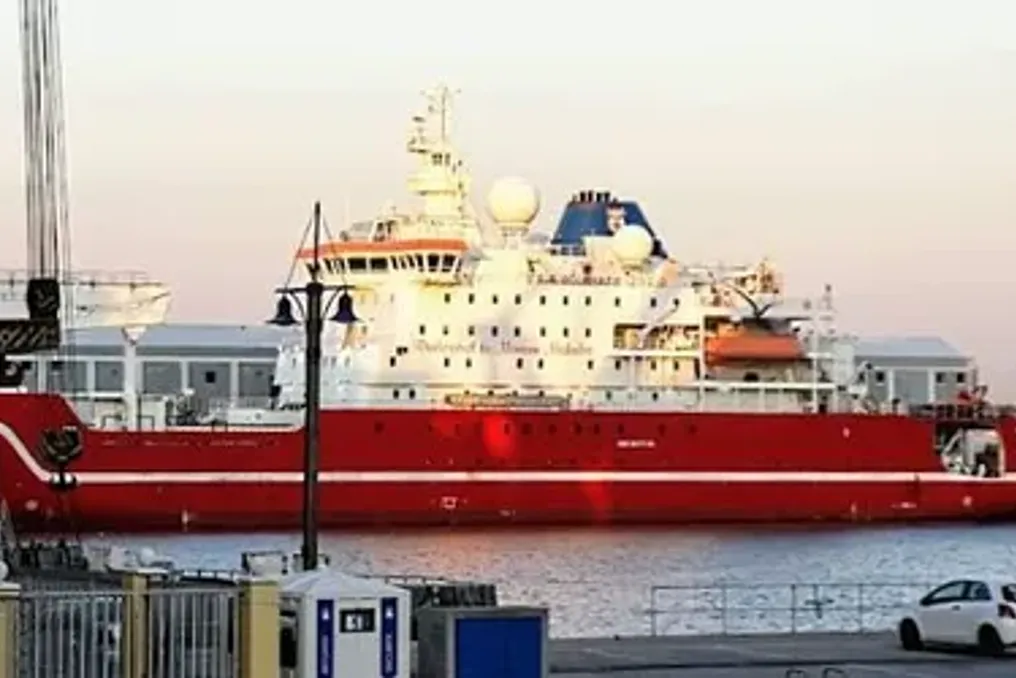
A prime example of this paradigm is the International Indian Ocean Expedition-2 (IIOE-2), which launched in 2017 aboard the South African research vessel (R/V) SA Agulhas II. This multinational scientific program aimed to deepen the understanding of the Indian Ocean and strengthen regional scientific capacity by significantly investing in early researchers from Mozambique, Tanzania, Kenya, Egypt, and Nigeria.
Consider one participant who joined the IIOE-2 expedition as a young intern. At that time, his involvement was characterized by relatively modest investments: the opportunity to be on a research vessel, mentorship from experienced scientists, and exposure to collaborative oceanographic research. Ten years later, this individual returned to the sea as a cruise co-leader, organizing an international research mission. This story goes beyond personal achievement and illustrates successful capacity development.
This transition from intern to mentor, from participant to leader, and from beneficiary to benefactor is the essence of the capacity development narrative. The multiplier effect, where beneficiaries nurture future generations of scientists, remains one of the most underestimated outcomes. While programs often quantitatively assess the success of direct beneficiaries, they frequently overlook the long-term legacy these individuals will create in the scientific landscape.
As the global scientific community increasingly embraces equitable partnerships and locally led initiatives, it becomes critically important to rethink our understanding of capacity building. Participants are not passive recipients of education; they are potential leaders whose most significant contributions may emerge long after formal training concludes. Thus, investing in one young scientist is not just an investment in one person, but an investment in the future of oceanography.
Many of the most valuable results may only become apparent long after the program funding ceases. This is not a flaw, but rather an emphasis on the inherent strength of capacity building. Significant investments in people require patience. Just as a tree planted today will not provide shade tomorrow, a novice researcher embarking on their first voyage will not instantly change oceanography. However, with consistent support and mentorship, they may one day lead international expeditions, influence maritime policy, and inspire subsequent generations of scientists.
Ultimately, the pressing question should not be how many participants attended a seminar or completed a course, but how many today's interns will become tomorrow's scientific leaders. Experience may open a door, but true capacity building ensures that someone will eventually receive the key and then open that same door for those who follow.