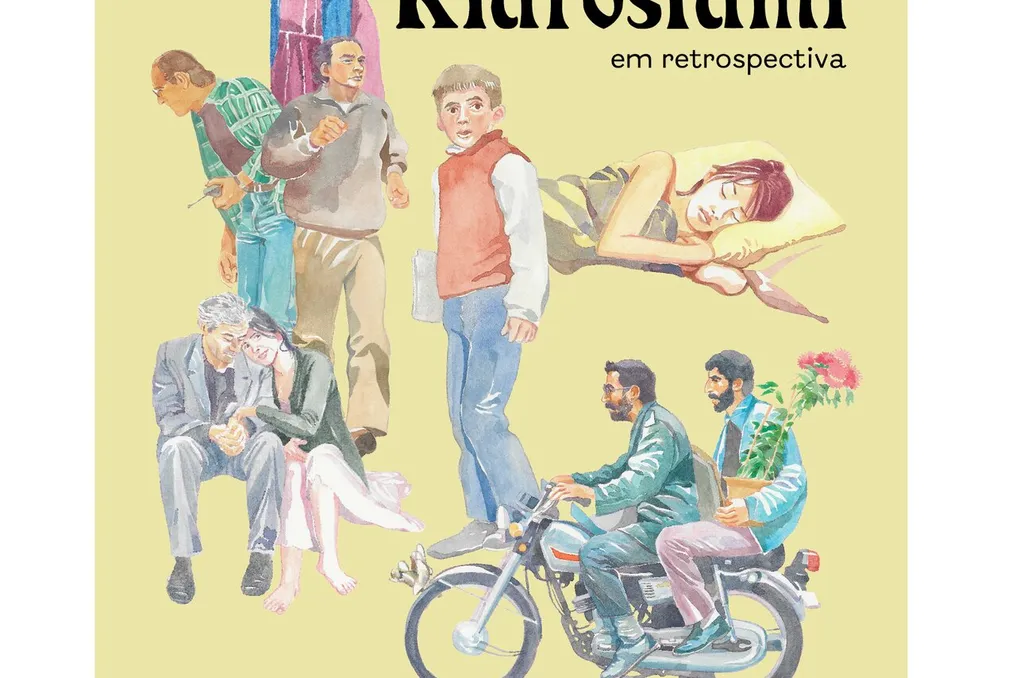
A retrospective screening of the work of Iranian filmmaker Abbas Kiarostami, recognized as one of the outstanding figures of world cinema, is being shown at the IMS cinema in São Paulo, Brazil. According to ILNA, the exhibition covers five decades of his creative activity and continuous cinematic thought, starting from early short films shot at the Institute for Intellectual Development of Children and Adolescents (Kanoon) and concluding with feature films that brought him international recognition.
Until September 27, viewers can see his short, medium, and feature films in restored 2K copies. This is a rare opportunity to fully familiarize oneself with the poetics and practice of an artist who expanded the boundaries of moving images from Iran to the entire world.
The Program Includes Landmark Works
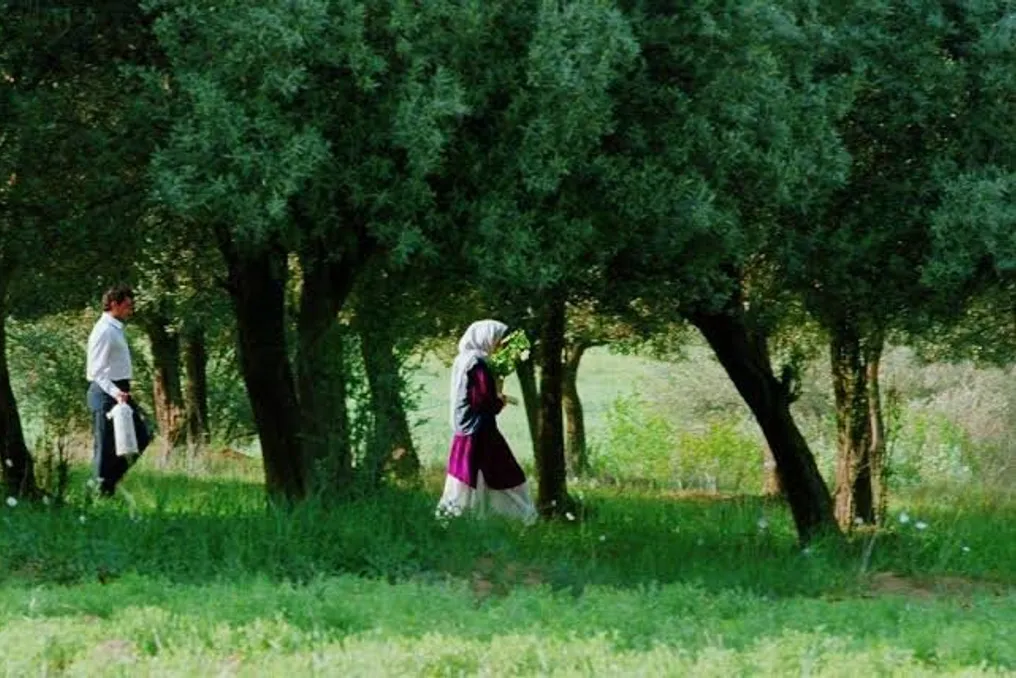
The screening program includes films such as 'Bread and the Alley' (1970), the director's first short film, and his last feature film '24 Frames', released posthumously in 2017. Among the presented works are the famous Coker trilogy, which includes 'Where Is My Friend's House?', 'Life and Nothing More', and 'Through Olive Trees'; the film 'Close-Up', which helped draw the world's attention to his work; and 'Taste of Cherry', which won the Palme d'Or at the Cannes Film Festival in 1997.
Abbas Kiarostami (1940–2016) was an Iranian director, screenwriter, poet, photographer, and producer. Actively working in cinema since 1970, Kiarostami participated in the production of over 40 films, including documentaries and shorts.
In later projects, such as 'Certified Copy' (2010) and 'Like Someone in Love' (2012), he filmed outside of Iran for the first time—in Italy and Japan, respectively.
Recognition and Influence
Kiarostami's films 'Where Is My Friend's House?' (1987), 'Close-Up', and 'The Wind Will Carry Us' were included in the list of the 100 best foreign films based on a survey by BBC Culture critics in 2018. Furthermore, 'Close-Up' was included in the list of the 50 greatest films of all time in the renowned ten-year Sight & Sound poll conducted in 2012. He is considered one of the most influential and greatest cinematographers of Iran and globally.
Kiarostami worked extensively as a screenwriter, editor, production designer, and producer, and also engaged in developing titles and promotional materials. In addition, he was a poet, photographer, painter, illustrator, and graphic designer. He was part of the generation of filmmakers of the Iranian New Wave—a movement of Persian cinema that began in the late 1960s, emphasizing the use of poetic dialogue and allegorical narration addressing political and philosophical themes.
Kiarostami was known for using child characters, documentary-stylistic narratives, stories set in rural villages, and dialogues taking place inside cars using static cameras. He is also known for incorporating Persian poetry into the dialogues, titles, and themes of his films. Kiarostami's films are characterized by a noticeable degree of ambiguity, an unusual combination of simplicity and complexity, and often a mixture of fictional and documentary elements. Concepts of change and continuity, alongside themes of life and death, play a key role in his work.