The beginning of September marked the resumption of macroeconomic pressure on the metals market. Analyst Anna Bodrova from Alpari noted that increased tension between the United States and Iran supported oil prices, raised inflation risks, and triggered a rise in bond yields.
For investors, this means the Federal Reserve may extend its restrictive policy and even return to raising interest rates as early as September. Against this backdrop, precious metals are correcting, while industrial metals show more selective movement, depending not only on interest rates but also on actual raw material availability.
Gold fell to approximately $4,300 per ounce, reaching its lowest level in over three weeks. Silver is trading around $63.5 per ounce and is also under pressure.
Although geopolitical tensions usually support safe-haven assets, the market is currently assessing the situation differently. If the conflict surrounding Iran raises oil prices again, it will intensify inflationary pressure and increase the likelihood of tougher measures from the Federal Reserve. Under these conditions, gold and silver are suffering not due to a lack of demand for protection, but because of the strengthening dollar and higher yields, which make non-yielding assets less attractive.
Additional uncertainty is linked to expectations for new US labor market data. Following comments from Federal Reserve representatives, markets sharply increased the probability of a rate hike in September. Therefore, events in the coming days will be crucial for gold and silver, alongside news from the Middle East. If economic data confirms economic resilience and persistent inflationary pressure, precious metals will find it difficult to quickly regain growth. However, if the data turns out weaker than expected, investors may once again turn to gold as a hedge against macroeconomic instability.
Platinum and palladium also declined along with the overall precious metals sector. Platinum is trading at about $1,720 per ounce, and palladium is around $1,300 per ounce. The long-term outlook for platinum remains more robust due to expectations of supply shortages and demand from hybrid vehicles. Palladium looks weaker, as the growing share of electric vehicles and the substitution of palladium with platinum in automotive catalytic converters continue to limit its potential. Nevertheless, in the short term, both metals are primarily determined by the dollar, interest rates, and overall risk appetite.
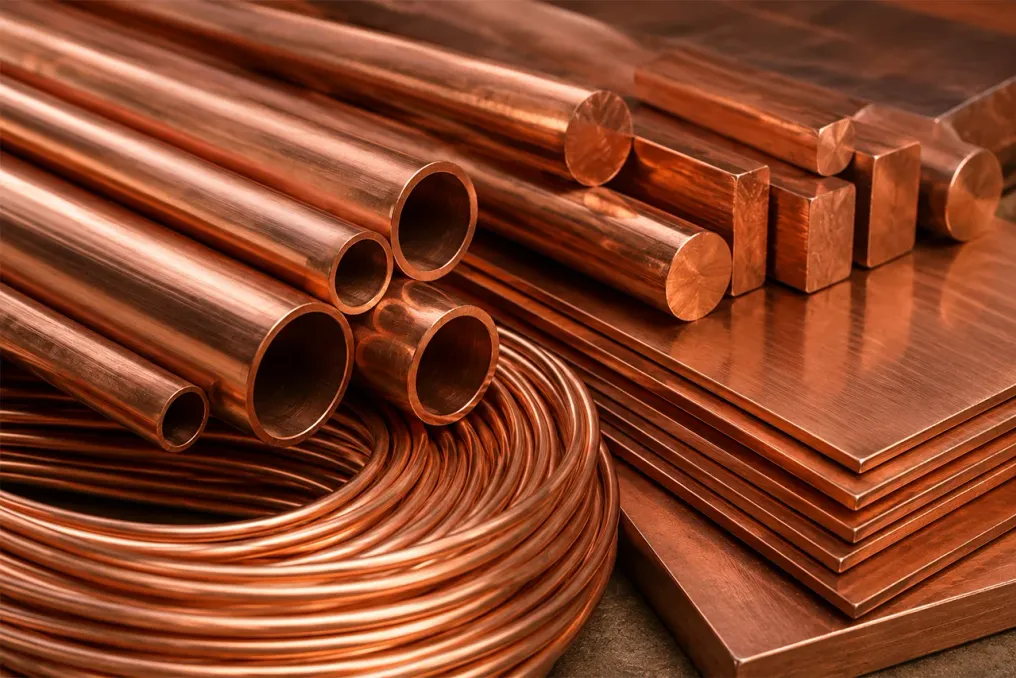
In the industrial metals segment, the main focus remains on copper. Its price holds steady at about $6.45 per pound after reaching a record high above $6.8 in August. On one hand, copper has fallen from peak values due to rising yields and demand concerns. On the other hand, this metal has grown by more than 40% over the past year, and its long-term prospects remain strong.
The market continues to factor in possible US import tariffs, which prompt the redirection of supplies to the US market. This reduces existing inventories in other regions and reinforces perceptions of supply shortages. Aluminum is trading at about $3,245 per ton and appears calmer than copper, although its fundamentals also remain strained. Inventories at LME have sharply decreased since the beginning of the year, and supply disruptions in the Persian Gulf following attacks on metallurgical plants continue to affect the market. Investors expect a gradual recovery in production, but this process does not appear to be fast. Against this background, even moderate demand growth or a new logistical disruption could send aluminum into a stronger rally.
Zinc remains one of the strongest metals in recent months, holding around $3,830 per ton. The market is reacting to low inventories, production disruptions, and supply risks from China. Unlike gold and silver, where interest rates and the dollar play the main role, zinc depends more heavily on the physical availability of the metal. This is why it appears more resilient than many other commodities, despite the general macroeconomic environment.
Overall, the metals market has once again split into two distinctly different dynamics. Precious metals are losing ground due to the strengthening dollar, higher yields, and expectations of tighter Federal Reserve policy. Industrial metals are also facing macroeconomic pressure, but they are supported by low inventories, trade flows, supply disruptions, and long-term demand from the energy, infrastructure, and technology sectors. As a result, the market can no longer be described by a single broad trend: gold and silver are currently mainly determined by Federal Reserve expectations, while copper, aluminum, and zinc react more to the balance between actual supply and future demand.