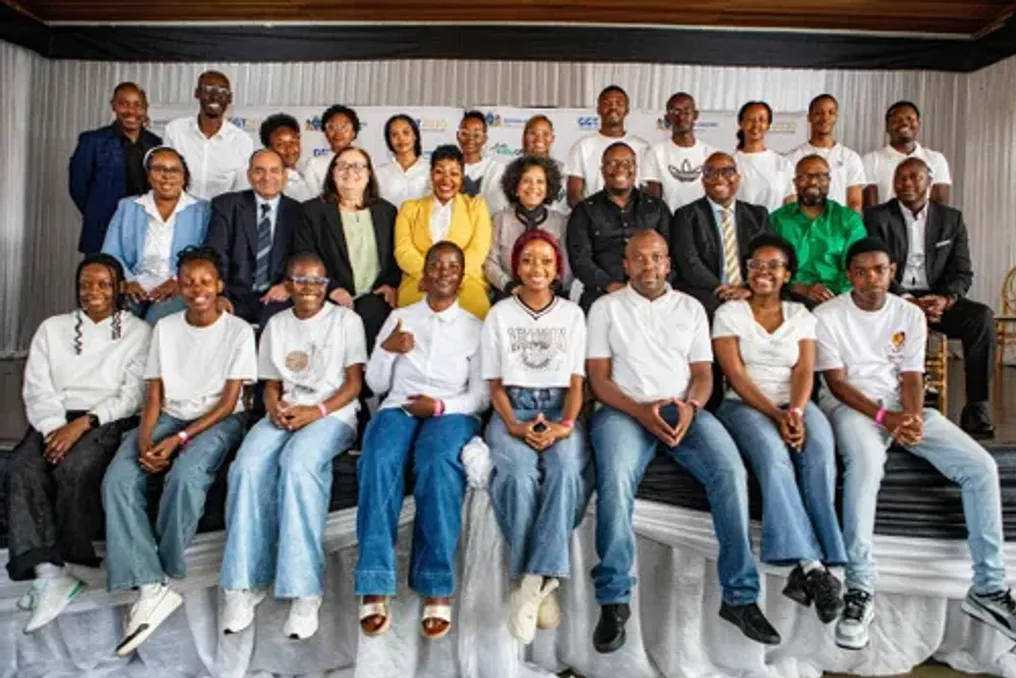
Eighteen young people from low-income areas of the Gauteng province have been selected to study medicine in Cuba as part of the Nelson Mandela and Fidel Castro Medical Training Program (NMFC).
The new cohort consists of ten men and eight women and was drawn from five districts in the province: Tshwane, Johannesburg, Ekurhuleni, Sedibeng, and West Rand. The selection process followed a competitive application that received 2480 submissions when the program was announced in May 2025.
Of the total applicants, 740 met the qualification requirements and advanced to the next stage. Subsequently, 91 candidates were shortlisted based on academic performance, socio-economic status, and potential contribution to the healthcare sector. Ultimately, after home visits, interviews, and background checks, only 18 candidates were chosen.
The Gauteng Department of Health stated that the program aims to provide access to medical education for talented young individuals who might otherwise face financial barriers. Candidates were required to belong to households with an annual income of no more than 350,000 rand, with priority given to students from Quintile 1–3 schools in Gauteng.
The department emphasized that the selection process considered not only academic achievement; candidates were also assessed on their willingness to return to South Africa and serve their communities. The department stated that the program enables talented students from disadvantaged backgrounds to become doctors while providing them with the knowledge and skills to serve the residents of South Africa.
The students are expected to return to Gauteng upon completing their studies and join the provincial public health system, particularly in areas experiencing a shortage of medical professionals. The department also noted that their training will contribute to strengthening primary healthcare services and support the future implementation of National Health Insurance.
The Cuban curriculum places significant emphasis on prevention, health promotion, and primary healthcare, which the department believes aligns with South Africa's health priorities. This latest group continues a program that has already prepared hundreds of doctors for the Gauteng public health system. According to the department, 463 students have graduated from the NMFC program and work in provincial public health facilities, making a significant contribution to patient care and service delivery.
Twenty-year-old Zezetu Svelindavo from Cosmo City in Johannesburg sees this opportunity as a chance to realize a career that seemed out of reach. Svelindavo, one of the 18 selected students, shared that she had applied to South African institutions but was rejected. She recounted that the Gauteng Department of Health effectively told her: 'No, my children, come. We want you and your children.'
For her, the opportunity to study in Cuba meant more than just obtaining a medical qualification. Svelindavo noted that it represents hope, opportunity, sacrifice, and a chance to become the doctors her communities need. She acknowledged that the path will be challenging, and they are ready for any difficulties, including homesickness.