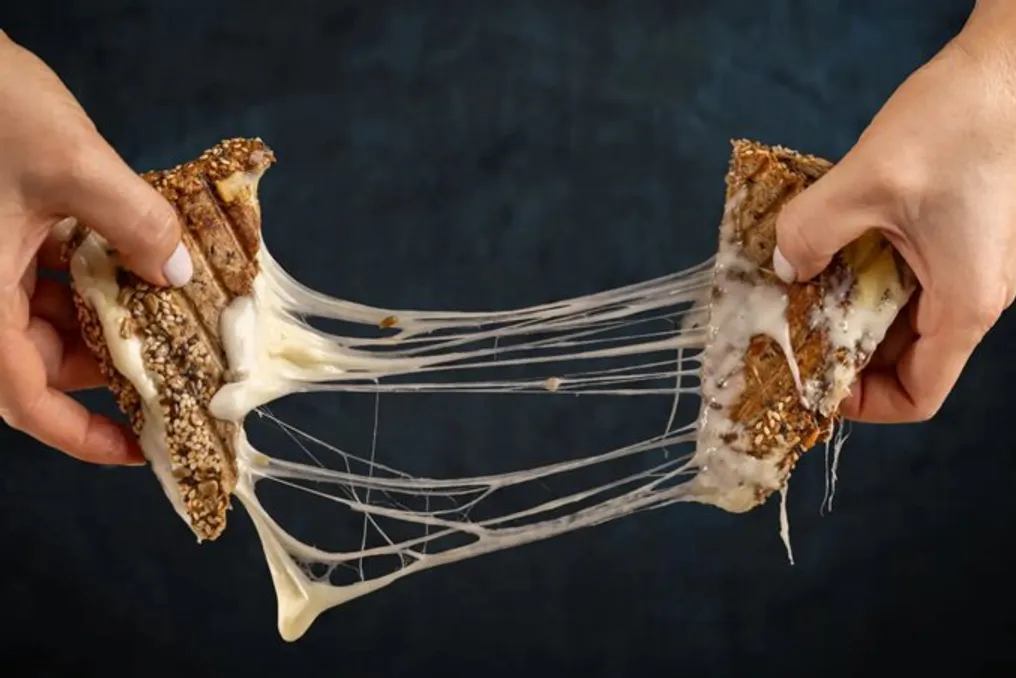
When making pizza, cheese is not just an addition but the foundation of the dish's texture, flavor, and appearance. The ideal cheese for pizza should melt evenly, stretch generously when cut, and harmonize with the dough and sauce. Achieving that famous stringy cheese pull depends on the protein structure, moisture content, fat level, and the cheese's processing method. Below is a detailed guide to the best cheeses for melting and stretching, along with an explanation of why they are effective on pizza.
Mozzarella: The Gold Standard!
Mozzarella is widely recognized as the best cheese for pizza both for its melting ability and its stretchiness, and this has its basis. Its high moisture content and elastic protein structure allow it to melt evenly, and the casein proteins form long strands when heated, creating the classic cheesy pull. Furthermore, its mild flavor allows the sauce and dough to shine. Calindairy Mozzarella is suitable for American or Italian style pizza.
Types of Mozzarella
There are several varieties of mozzarella: low-moisture whole milk mozzarella, which is the most common choice in professional pizzerias, melts smoothly and stretches well while releasing less water than fresh mozzarella. There is also low-moisture skim milk mozzarella, which is slightly less creamy but remains very elastic and is often used for cost savings. Fresh mozzarella is soft and delicate, possessing excellent melting properties, but its high moisture content can make the pizza watery if not drained properly and baked at a high temperature.
Provolone: Stretches with Added Flavor!
Provolone is a semi-hard Italian cheese that melts wonderfully and stretches well, although it is slightly inferior to mozzarella. This cheese has a similar protein structure to mozzarella. Higher fat content gives it richness, and a more pronounced flavor enhances the depth of aroma.
Best Uses for Provolone
Provolone pairs excellently with mozzarella to add greater flavor complexity. It is also ideal for Sicilian, Detroit-style, or pan pizzas.
Fior di Latte: An Artistic Level of Stretchy Cheese!
Fior di Latte is fresh cow's milk mozzarella, often used in traditional Italian pizza. It is distinguished by exceptionally smooth melting, clean milky stretch with a mild taste, and balanced moisture content when cooked correctly.
Best Uses for Fior di Latte
This cheese is recommended for use in high-temperature ovens and on thin crusts where the focus is on ingredient quality.
Oaxaca: An Outstanding Alternative for Stretchiness!
Oaxaca cheese, traditionally used in Mexican cuisine, is one of the stretchiest available cheeses. It can be used in pizza recipes to achieve an incredible and extraordinary stringy pull. The pasta filata process is similar to the production process of mozzarella. This cheese creates dramatic, long cheese strands and has a mild flavor that pairs well with tomato sauces.
Typically Suitable For:
Oaxaca cheese is suitable for fusion pizzas and for home cooks aiming for maximum stretch with minimal effort.
Monterey Jack: A Smooth Melter with Elasticity!
Monterey Jack melts easily and smoothly, providing moderate stretch. A combination of Monterey Jack and mozzarella is perfect for creating a signature pizza. If you want to make a unique pizza, you should try this pair. Monterey Jack has a high moisture content, a soft texture that promotes even melting, and a creamy mouthfeel.
How to Use Monterey Jack?
It mixes well with mozzarella to add extra creaminess, and it is also suitable for white pizzas or mild-flavored fillings.
Cheese Blends: Optimizing Melting and Stretch!
Many pizzerias use cheese blends to balance stretchiness, melting, browning, and flavor. Popular combinations include: mozzarella + provolone (improved stretch and deeper flavor); mozzarella + Monterey Jack (creamier melt and good elasticity); mozzarella + a small amount of cheddar (better browning and flavor, but limited stretch when overused).
Different levels of fat and moisture contribute to more controlled melting and enhanced flavor without compromising texture.
Cheeses to Use Sparingly or Avoid for Stretchiness!
Some cheeses melt well but do not stretch, while others resist melting altogether. Cheddar breaks down into oil and solid particles when overheated. It can be added to pizza mixed with natural cheese to create a unique flavor, but excessive stretchiness should be avoided. Parmesan adds flavor but does not provide stretch. Feta and goat cheese soften but do not melt smoothly. These cheeses are best used as secondary additions rather than the main cheese.
Key Factors Affecting Cheese Stretch
To achieve the perfect stringy pull, consider the following: moderate moisture content allows proteins to loosen without releasing excess water. Fat improves melting ability, but too much fat can reduce elasticity. Hand-grating cheese melts better than pre-shredded cheese, which often contains anti-caking agents. Higher baking temperatures promote better stretching and faster melting. For the best balance between melting and stretch, low-moisture whole milk mozzarella remains the best choice. To enhance flavor and texture, mixing it with provolone or Monterey Jack is ideal. If maximum stretch is the priority, Oaxaca cheese is a surprisingly good alternative. The correct choice and proper use of cheese can turn a good pizza into an unforgettable one.