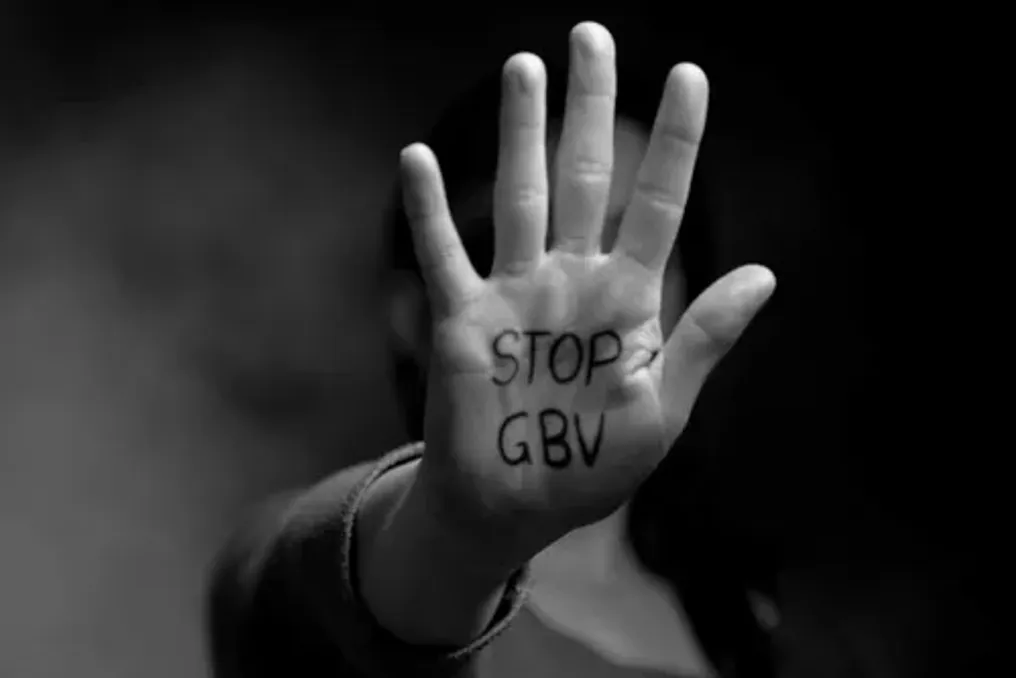
The new National Council on Gender-Based Violence and Femicide faces the need to translate political commitments into improved funding, increased accountability, and support for survivors, highlighted by alarming SAPS statistics on the gender-based violence crisis in South Africa.
Civil society organizations have warned that the new National Council on Gender-Based Violence and Femicide in South Africa will be judged by whether its priorities lead to better funding, stronger responsibility, and practical changes for victims.
The Council held its first meeting in Pretoria on Monday, where it was decided to develop a Stakeholder Pact and a cost calculation system for responding to gender-based violence in the country, as well as identify gaps in funding and resources.
A representative from Ilitha Labantu, Siyabulela Monakgali, noted that the problems identified by the council are not new. He stated that it is too early to consider the meeting itself a success or to assume that the creation of the Council will automatically lead to significant changes.
Monakgali emphasized that South Africa already had legislation and a National Strategic Plan on gender-based violence and femicide, but the implementation of these measures remained a central problem. He questioned whether the Council ultimately possesses the authority, resources, and political will to solve these issues.
Minister in the Presidency for Women, Youth and Persons with Disabilities, Sindisive Chikunga, reported that the council will develop a comprehensive cost calculation system to determine the needs of the national response, identify resource deficits, and create a business case.
The Stakeholder Pact will define how the council's effectiveness will be measured. Monakgali pointed out that the most serious shortages are observed in organizations providing direct services to survivors in townships, rural areas, and underserved communities. He specifically highlighted that one of the most severe funding deficits is at the frontline, especially among NGOs and civil society organizations providing direct assistance to survivors and vulnerable groups.
Similar concerns were expressed by the South African National Refugee Movement after President Cyril Ramaphosa announced seven council members on July 31. This organization noted the existence of strong laws and policies against gender-based violence in South Africa but pointed to difficulties in their implementation, coordination, and accountability. Furthermore, they called for sustainable funding for refugees and civil society organizations.
Ilitha Labantu believes that the cost assessment process should also examine weaknesses in the performance of the police, healthcare system, social services, and the criminal justice system. Monakgali stated that survivors cannot continue to face systems that are insufficiently equipped to respond with the required urgency, sensitivity, and competence.
The council's work begins against a backdrop of 50,511 cases of gender-based violence registered with SAPS in the 2025/26 financial year, according to statements by Acting Minister of Police Professor Phiroz Kachali. In a parliamentary response, Kachali reported that 30,736 cases resulted in arrests and/or referral of materials to the National Prosecuting Authority.
Established under the National Council on Gender-Based Violence and Femicide Act No. 9 of 2024, the council is responsible for monitoring the national strategy, promoting accountability, and mobilizing resources. Monakgali believes that the key test will be whether departments and institutions will face consequences for failing to fulfill their duties. He stressed that accountability cannot simply be limited to identifying failures and discussing them in meetings while the same problems persist year after year.
Ilitha Labantu demands a clear distribution of responsibilities, measurable goals, and deadlines, backed by public reporting on progress and failures. Within the first year, the organization also expects resources to reach critical services and an improvement in the treatment of survivors seeking help. Monakgali concluded that for Ilitha Labantu, the most important question is what will actually change. He asked if survivors will be able to access support more easily, if frontline organizations will gain access to sustainable funding, and if there will be consequences if government departments fail to meet their obligations. He added that success cannot be measured by the number of meetings held or reports prepared; it must be reflected in tangible improvements in survivor response and greater accountability across the entire system. Monakgali also noted that the first meeting, held during Women's Month, should not imply that gender-based violence only attracts attention during awareness campaigns, as violence against women occurs daily, not just during periods like Women's Month or 16 Days of Activism. Now the council must demonstrate that its statutory mandate can transform long-standing commitments into changes experienced by survivors when receiving protection, support, and justice.