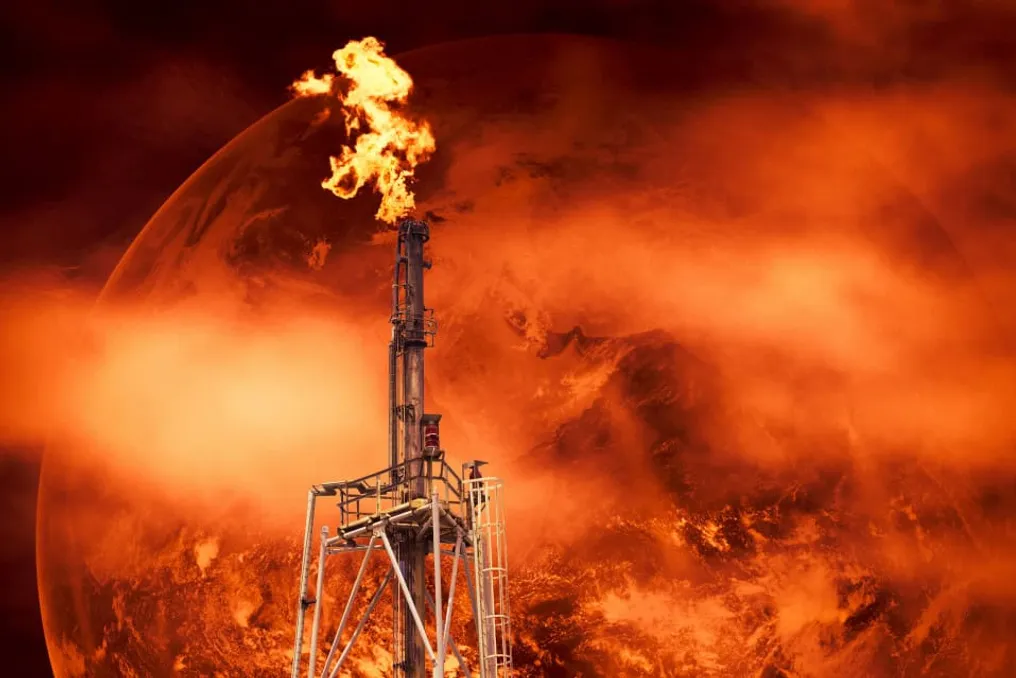
The planet is expected to exceed the 1.5°C global warming limit established by the Paris Agreement in the coming years. A study conducted by the United Nations Environment Programme (UNEP) outlines a strategy to control this increase and seek temperature reduction.
The suggested approach involves drastically reducing emissions, restricting the warming peak, and subsequently removing carbon dioxide from the atmosphere. Despite this, the time the temperature remains above 1.5°C will increase climate risks and cause potentially irreversible damage.
The most positive scenario assessed by UNEP projects a peak of 1.8°C above pre-industrial levels. However, if current policies are maintained, the temperature could reach 2.6°C by 2100. This plan is called 'overshoot, peak and decline,' meaning the temperature will surpass the limit, reach its maximum point, and only then begin to decrease.
Climate Perspectives and Warnings
António Guterres, UN Secretary-General, stated that 'humanity is accelerating beyond the limit to avoid a climate catastrophe.' The goal is not to establish warming above 1.5°C as a permanent target; the smaller the peak and the shorter the period under this condition, the less severe the damage. UNEP warns that risks grow with every additional fraction of a degree.
Among the predicted impacts are the risks of climate tipping points, such as the destabilization of large ice masses, the deterioration of the Amazon, and changes in Atlantic circulation.
Mitigation and Adaptation Strategies
The essential first step is to rapidly cut greenhouse gas emissions, including methane, aiming for net-zero emissions. After that, it will be necessary to remove more carbon dioxide from the atmosphere than was emitted, with reforestation being one of the mentioned options, alongside other carbon sequestration techniques.
Emission reduction measures do not replace the need for adaptation, as some effects of warming cannot be avoided. Inger Andersen, Executive Director of UNEP, emphasized the urgency of intensifying climate efforts, stating that the correct path must be resumed.
Even if the global temperature manages to return below 1.5°C, the period of overheating will leave lasting marks, potentially forcing some communities to relocate or adjust their lifestyles. Therefore, UNEP's priority is to ensure that the overshoot is as short and small as possible, minimizing the chance of irreparable losses.