Trevor Noah to Lead South Africa's Comedy Contingent at Savanna Festival in Pretoria, Durban, and Cape Town
Read more
10and5
10and5.com

Trevor Noah to Lead South Africa's Comedy Contingent at Savanna Festival in Pretoria, Durban, and Cape Town

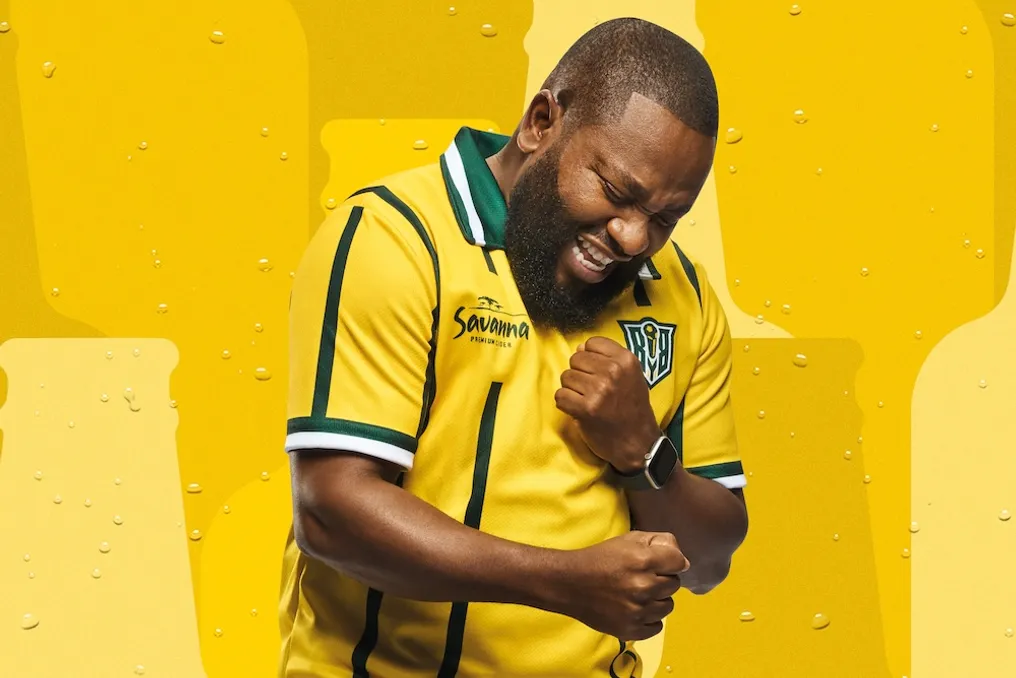
Trevor Noah will lead South Africa's comedy contingent at the Savanna festival, which will take place in September in Pretoria, Durban, and Cape Town, bringing together leading comedians from Mzansi.

The Savanna Festival promises a high-caliber arena comedy experience based on witty, dry humor and an authentic South African perspective. It transforms the everyday absurdities of Mzansi into elite performances.

This festival, organized by Savanna, unites the brightest representatives of the South African comedy community. It is not just a show, but a national gathering to celebrate the talent that makes South Africa uniquely funny.

National Comedy Team: From Streets to Arena

The team selection was based on their stage presence, cultural sensitivity, and ability to hold an audience's attention. This team showcases various styles of South African humor, from street life observation to arena storytelling. With the support of Vice-Captain Eugene Khoza, the program blends street, local, and suburban humor with premium large-venue acts.

Captain Trevor Noah stated that selecting the best participants for the South African National Comedy Team guarantees an explosive experience worth waiting for by fans.

As the main headliner, Trevor Noah returns home to be the center of the festival. He guides the showcase of local talent, proving that despite international appearances, his comedic soul is nourished by the raw magic of Mzansi. His global stage prowess is confirmed by seven seasons of The Daily Show, fourteen specials, and six consecutive Grammys.

Vice-Captain Eugene Khoza, a seasoned performer with 15 years of experience, is a master of multilingual storytelling. He transforms mundane realities into sharp and unexpected performances, utilizing six languages. His career spans from local solo theaters to the Comedy Cellar in New York.

Also included are Tabiso Mhlongo, lead writer for Comedy Central Roasts and star of Netflix's Catching Feelings, specializing in satirizing Mzansi's social classes. Lindi Johnson, winner of the Savanna's Show Us Your Apples competition, brings witty and highly relatable stories from the community to the big show. Punch Gasela, a star from Don’t Tell Comedy (USA), uses energetic physical comedy, translating the chaotic rhythm of South African life into premium entertainment content.

Mbali Gudazi, champion of the Jive Funny Competition 2025, is a self-sufficient force in comedy. A Jhonasi, a star from Zimbabwe, will bring great energy as a finalist on America’s Got Talent and winner of the Boston Comedy Festival 2023.

Unfiltered Festival Experience

Captain Trevor Noah emphasized that they are presenting 'world-class, arena-scale stand-up' in Pretoria, Durban, and Cape Town, describing it as a demonstration of elite comedic skill without any guarantees. He urged audiences to purchase tickets in advance on Quicket, as 'there are no do-overs' once on stage.

Vice-Captain Eugene Khoza added that attendees can expect an 'unfiltered, fast-paced, and premium live experience' and strongly advised against missing out, urging them to buy tickets before they sell out.

Tickets are exclusively available on Quicket.co.za, and organizers warn that neither the comedians nor the Savanna team members will be able to assist those who miss this annual social event.

Festival Dates

The festival is scheduled for the following dates: in Pretoria, at SunBet Arena, September 4 and 5, 2026; in Durban, at SunCoast, September 19, 2026; and in Cape Town, at GrandWest, September 25 and 26, 2026.
Similar stories

Five Iconic Matches Between the Springboks and All Blacks in Cape Town
Read more
iol.co.za

Five Iconic Matches Between the Springboks and All Blacks in Cape Town

Cape Town has become the arena for some of the most intense chapters of the greatest rugby rivalry between the Springboks and the All Blacks. Matches held at both the historic Newlands stadium and the modern DHL Stadium have always been characterized by minimal score differences and incredible fan passion, with the All Blacks traditionally enjoying significant support in this city.

These five classic encounters in Cape Town reflect the best of the legendary confrontation, whether it was series-defining victories or dramatic one-point matches.

The Greatest Rugby Rivalry

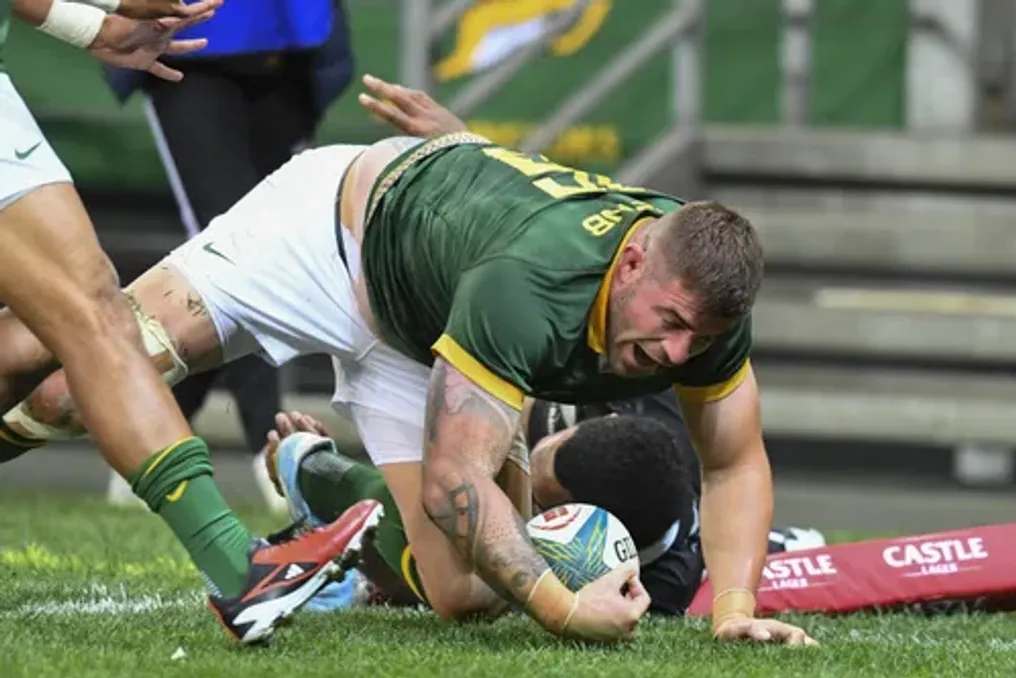
In 2024, Springboks hooker Malcolm Marx scored the decisive touchdown in the match against the All Blacks in Cape Town.

1996 – Tri-Nations, Newlands (South Africa 18–29 New Zealand)

This match was not part of the All Blacks' three-match tour of South Africa, but it marked the beginning of a new competition between South Africa, New Zealand, and Australia. Thanks to the brilliant play of flyhalf Andrew Merten, who earned 19 points from kicks, New Zealand managed to come back into the game, overcoming a nine-point deficit twenty minutes before the end, to secure the victory.

2001 – Tri-Nations, Newlands (South Africa 3–12 New Zealand)

A dirty and tough defensive battle unfolded at Newlands amid heavy rain. In the match, dominated by constant collisions, handling errors, and tactical kicks, the All Blacks managed to win thanks to four accurate penalty kicks from flyhalf Tony Brown, who is now an attacking coach for the Springboks, surpassing the determined Springboks team.

2005 – Tri-Nations, Newlands (South Africa 22–16 New Zealand)

Under the leadership of Jake White, the Springboks demonstrated a defensive masterpiece, interrupting a long streak of defeats against the All Blacks in Cape Town. Through dominant scrummaging, relentless defensive work, and tries by Percy Montgomery, South Africa managed to repel a late onslaught from New Zealand and claim a memorable victory.

2017 – Rugby World Cup, Newlands (South Africa 24–25 New Zealand)

This match is widely regarded as one of the best test games between the two sides in Cape Town in the modern era. Just a few weeks after a humiliating 57–0 defeat in Albany, the Springboks, under Alistair Coetzee, showed incredibly brave play at a packed Newlands, pushing the All Blacks to their limit before losing by only one point.

2024 – Rugby World Cup, DHL Stadium (South Africa 18–12 New Zealand)

In the first meeting of the rivals at this arena, the Springboks secured a tense victory, earning the Freedom Cup for the first time since 2009. Tries by Siya Kolisi and Malcolm Marx in the second half, combined with fierce defensive work, ensured a dramatic comeback and a series win over the All Blacks.

Durban Listings: Music, Comedy, Sports, and Entertainment for the Weekend
Read more
iol.co.za

Durban Listings: Music, Comedy, Sports, and Entertainment for the Weekend

The city of Durban offers a diverse program of events to conclude August, including live music, dancing, sporting events, and various forms of entertainment.

Throughout the weekend, numerous events are scheduled in the city and its surroundings, catering to different interests—from intimate concerts and colorful dance performances to races and vintage-themed gatherings.

The renowned New Zealand soul singer, TEEKS, who performs songs such as 'If Only', 'Never Be Apart', and 'First Time', will be visiting Durban as part of his first tour of South Africa. He will perform at The Station Urban Event Space in Stamford Hill on Friday evening. His performance is part of a three-city tour across South Africa and is scheduled for August 28th at 7:00 PM.

At The Playhouse this weekend, the dance production 'Chal Naach – Let's Dance' will take place. This production is dedicated to the heritage of South African Indian dance and unites various styles and performers to create a vibrant spectacle. Audiences will witness a demonstration of classical Indian dance, contemporary movement, and fusion styles. The show will run on August 28th and 29th.

Greyville is set for an eventful sporting weekend at the Hollywoodbets Greyville Racecourse. Evening races will be held on Friday, and a 10km run sponsored by Hollywoodbets will take place on Sunday. These weekends combine racing, running, and entertainment, making Greyville an attractive destination for sports enthusiasts. Events will occur on August 28th (Friday) and August 30th (Sunday).

The Music Imbizo 2026 event will gather artists, industry professionals, and music lovers for a program that goes beyond a simple live performance. It includes discussions, networking opportunities, and showcases of artists' work, providing insight into the creative and business side of the music industry. Performances by various artists will take place in different venues, offering a platform for both emerging and established figures. The event will be held on August 28th and 29th at the Unisa Durban Stanger Street campus and other locations.

The weekend can be concluded with the Vintage, Vogue & Velocity event, dedicated to classic cars, motorcycles, fashion, and live music. This event will take place at Camp Orchards in Hillcrest and will showcase vehicles and fashion inspired by decades from the 1920s to the 1980s. Guests can enjoy performances by the KZN Philharmonic Orchestra and favorite Durban jazz act, BeatRoute. The Decades Runway show will merge vintage fashion with classic transportation. Attendees are encouraged to dress in the style of their favorite era, and the best guests will receive prizes. The event is scheduled for August 30th from 10:00 AM to 3:00 PM.

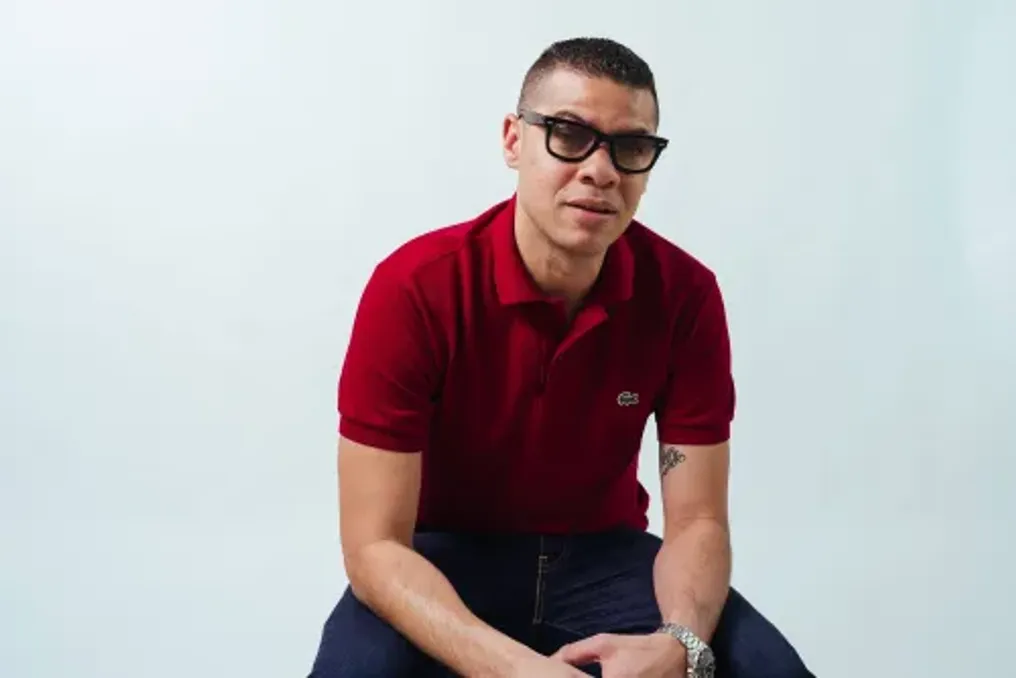
Furthermore, comedian Richely Bonoar, winner of the Comedy Central Roast Battle Champion title, will host an evening combining live comedy with a craft beer tour. Guests can sample beer guided by the brewery's brewer, learning about the tastes, ingredients, and brewing process of Robson's. The ticket includes a beer glass, and special food offers are also available. This will take place at Robson's Brewery, 72 Mahatma Gandhi Road, Point, Durban, on August 29th at 7:30 PM.

SADC Leaders Discuss Whether South Africa Can Turn Unity into Economic Prosperity
Read more
iol.co.za

SADC Leaders Discuss Whether South Africa Can Turn Unity into Economic Prosperity

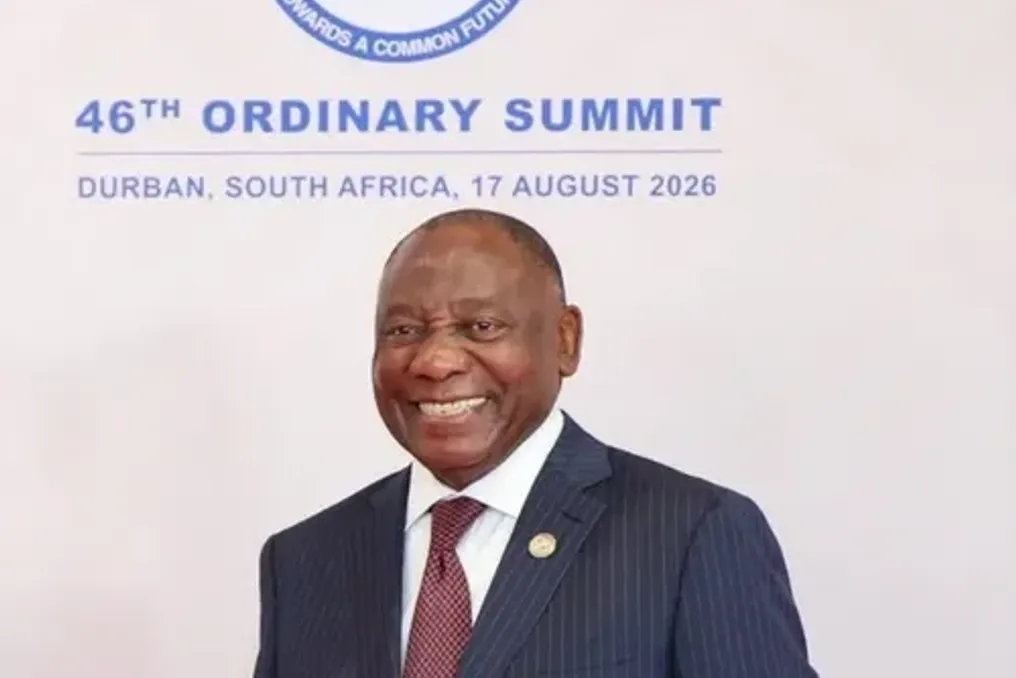
President Cyril Ramaphosa called on SADC states to ensure that their commitments translate into the creation of production capacities, factories, energy infrastructure, water supply systems, businesses, and jobs that bring tangible improvements to citizens' daily lives.

The significance of the summit is underscored by the historical context of SADC, which was founded during the political struggle against apartheid and colonial rule. The founders understood that the liberation of one country was inextricably linked to the freedom and stability of neighboring states, and this history remains part of the organization's identity.

However, modern challenges in South Africa have shifted from issues of political liberation to the tasks of economic liberation. For example, a truck traveling from Zambia to South Africa may encounter numerous border crossings, administrative procedures, and infrastructural bottlenecks before its goods reach their destination. Power shortages in one country can negatively affect business in another, and drought and security threats do not recognize national borders.

Despite the region's interconnectedness, regardless of the degree of system integration, the difference between integrated and non-integrated systems is crucial. One of the key messages of the summit is the necessity of viewing infrastructure as the foundation of regional integration.

SADC leaders prioritized trade, infrastructure, energy, and regional integration, with a special focus on improving border infrastructure and strengthening cooperation in regional energy. This could have colossal economic consequences, as South Africa possesses some of the richest mineral deposits, significant agricultural potential, and large energy resources.

Nevertheless, these advantages are often negated by weak transport links, unreliable power supply, and costly cross-border trade. A railway line or road connecting a mine to a port is not just infrastructure; it is a potential supply chain; a more integrated energy grid determines the stable operation of a factory, and a more efficient border can determine whether an exporter will be profitable or lose money waiting for goods to move.

It is important that SADC's ambitions become tangible. Special attention at the summit was paid to critical minerals. South Africa holds resources that are becoming increasingly vital for the global energy transition, including lithium, cobalt, manganese, copper, and platinum group metals.

Instead of merely exporting raw materials, SADC countries can develop regional value chains related to processing, manufacturing, and technologies concerning batteries, renewable energy, and electric mobility. However, this requires cooperation, as it is economically unviable for each country to try and build the entire supply chain independently.

Regional integration allows the differences between countries—the presence of deposits, energy capacity, production capabilities, or port infrastructure—to be turned into strengths. The summit, taking place in Durban, is a test of implementation, not just a diplomatic event. Although SADC has ambitious plans, such as Vision 2050, which envisions a peaceful, inclusive, competitive, and prosperous region, South Africa's main challenge lies in the gap between strategies and their practical implementation.

The true measure of the summit will depend on whether the leaders' decisions translate into faster borders, reliable power supply, better roads and railways, growth in agricultural production, and job creation. This is particularly relevant for a region with a rapidly growing young population and high unemployment.

Strengthening SADC benefits not only South Africa but the entire continent, as a more integrated regional economy supports the goals of the African Continental Free Trade Area, facilitating the movement of goods, services, and investments. Furthermore, it enhances the negotiating power of African nations on the international stage, as an integrated market with shared resources and industrial potential has greater influence than a collection of disparate economies.

The shared history that brought the countries of South Africa together led to the creation of SADC, and the common economic challenges of the present day will determine whether the organization fulfills its promises. South Africa possesses the necessary resources, people, and markets to build a much more integrated regional economy, but it lacks the political will to unite them.

Popular