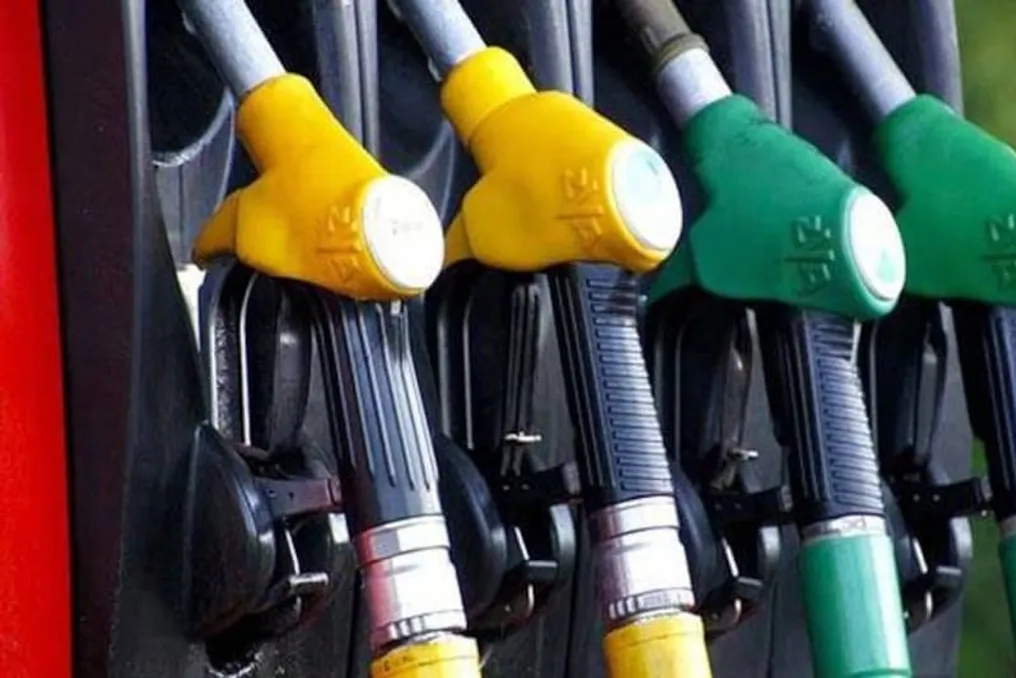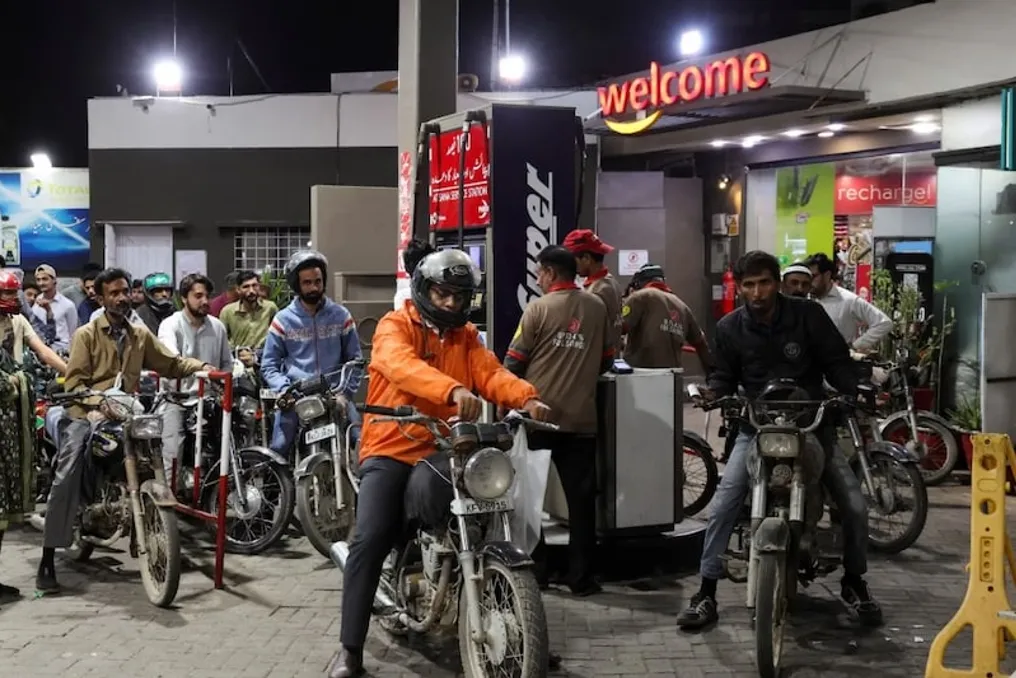
Prices for gasoline and diesel fuel have risen again in Pakistan. The government, led by Shahbaz Sharif, increased the cost of gasoline by 1.08 Pakistani rupees per liter and also raised the price of high-speed diesel (HSD) by 0.51 rupees per liter. These new rates came into effect on Wednesday, September 2.
Following the recent fuel price hike, the retail price of one liter of gasoline reached 343.87 Pakistani rupees, while the price of high-speed diesel rose to 370.92 Pakistani rupees. According to a report by the Pakistani media Dawn, the government of Shahbaz Sharif will continue to levy taxes of 114 rupees per liter of gasoline and 100 rupees per liter of diesel fuel.
Despite the recent fuel price increase in Pakistan, current prices are still significantly lower than the levels recorded in April. During the escalation of the conflict in the Middle East, prices for gasoline and diesel fuel in Pakistan soared. After the US and Israeli attacks on Iran on February 28, the price of high-speed diesel in Pakistan was 281 rupees per liter, but it peaked at 520.35 rupees per liter by April 3.
A similar sharp jump occurred with gasoline prices during the initial phase of the conflict between the US and Iran. In early March, the price of gasoline in Pakistan was 266 rupees per liter, but as fighting escalated in the Middle East, the price reached a maximum of 458.41 rupees by April 3.
When the conflict between the US and Iran concluded, fuel prices in the country were reduced. However, on July 17, Energy Minister Ali Parvez Malik warned in advance about a possible price increase. He stated that due to fluctuations in global oil prices following the resumption of the war between Iran and the US, fuel prices would be set daily instead of every two weeks, as was previously the case.
According to Dawn, the Energy Minister reported that the Council of Ministers and Prime Minister Shahbaz Sharif instructed the Energy and Gas Regulatory Authority to determine fuel prices on a daily basis, based on global market trends.
It should be noted that gasoline is primarily used in private, small, taxi, and two-wheeled vehicles, so any changes in its price affect the middle and lower-middle class. At the same time, changes in diesel fuel prices directly impact ordinary citizens, as diesel is mainly used in heavy transport, power plants, and large generators.
Gasoline and high-speed diesel are the main sources of revenue, with monthly sales volumes amounting to about 700,000 – 800,000 tons, whereas the monthly demand for kerosene is only 10,000 tons.