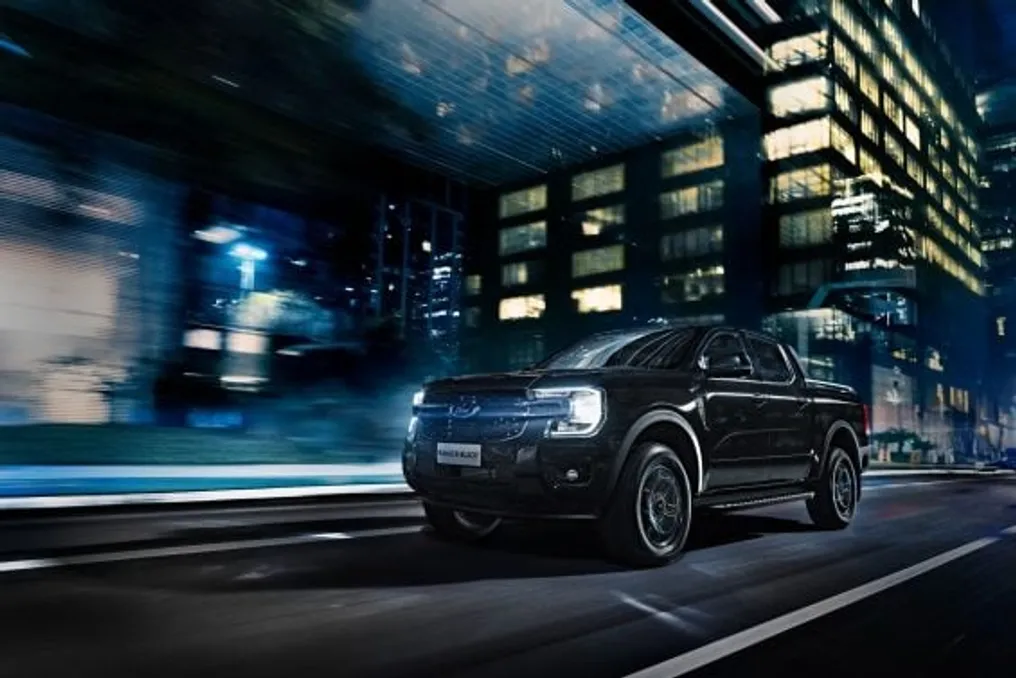
Although Brazilian highways are often congested during the day, traveling at night can offer an alternative to escaping heavy traffic. However, lighting conditions during this period require extra attention behind the wheel, as darkness can conceal dangers and other drivers may be distracted or drowsy. Below are seven recommendations to assist with night travel.
Driving after a long day of activities is risky due to accumulated fatigue; therefore, it is advisable to rest adequately before starting the trip, sleeping earlier to keep the mind calm. Consuming coffee or energy drinks are temporary solutions and should only be used if it is necessary to cover short distances to a safe point or the final destination.
If you start feeling drowsy while driving, immediately look for a gas station or a service station belonging to the highway concessionaire to rest. Locations frequented by truck drivers tend to be safer.
On road trips, the ideal is to take breaks every two or three hours to get out of the vehicle and stretch. Due to the varying operation of stations and restaurants at night, it is prudent to study the route beforehand to choose appropriate locations. This prior analysis also allows anticipating whether the road has poor lighting or potholes, in addition to providing information about tolls through navigation apps.
Many drivers unnecessarily use high beams, even in urban areas. This feature should only be used on unlit stretches without vehicles ahead. If there are cars coming from the opposite direction or if you are being overtaken, it is essential to switch to low beams.
It is equally crucial to adjust the height of the headlights before driving at night to avoid dazzling other drivers. This adjustment must be made if the car is loaded, in order to compensate for the body tilt. New cars sold in Brazil from 2024 already come with this electric adjustment in the cabin or automatic. In older models, the adjustment must be made directly on the headlight using a lever, consulting the vehicle manual.
Even knowing that not all drivers keep their headlights adjusted or use low beams, there is a trick to avoid being blinded: observe the lane of the highway to your right. This prevents your vision from being disturbed by the light, facilitating the return to adapting to the darkness.
The common practice on the roads is to maintain a three-second distance from the car ahead. When driving at night, it is necessary to maintain a greater spacing to ensure safety, as reduced visibility makes it difficult to perceive obstacles if the preceding vehicle needs to swerve. Additionally, there is more room to accelerate during overtaking, reducing the time spent in the opposite direction of the road.
Modern cars incorporate lighting in door buttons and dashboards, as well as indirect lights on large multimedia screens. Although this brightness is attractive when buying, it can harm drivers on night trips. It is recommended to reduce the brightness of instruments and screens to the minimum level when driving at night, minimizing visual discomfort and aiding adaptation to the darkness. If the route is known or if you are not using GPS, you can even turn off the multimedia screen.
For older drivers, it is relevant to mention advertisements for Ambervision glasses, which promised to improve night vision. Glasses with yellowed lenses are popularly suggested for night driving, but there is no scientific proof of this benefit. Researchers at the Schepens Eye Research Institute, affiliated with Harvard Medical School in the USA, conducted studies with these glasses and found that the yellow lenses did not bring improvements, and could, in some cases, make it harder to identify pedestrians.
To drive at night, special glasses are not necessary; those prescribed by ophthalmologists suffice. Anti-reflective treated lenses help prevent uncomfortable reflections from poles or other vehicles.