Janmashtami, celebrated as the birthday of Lord Krishna, is enthusiastically observed by Hindus worldwide every year. In 2026, this festival will be celebrated over two days—September 3rd and 4th.
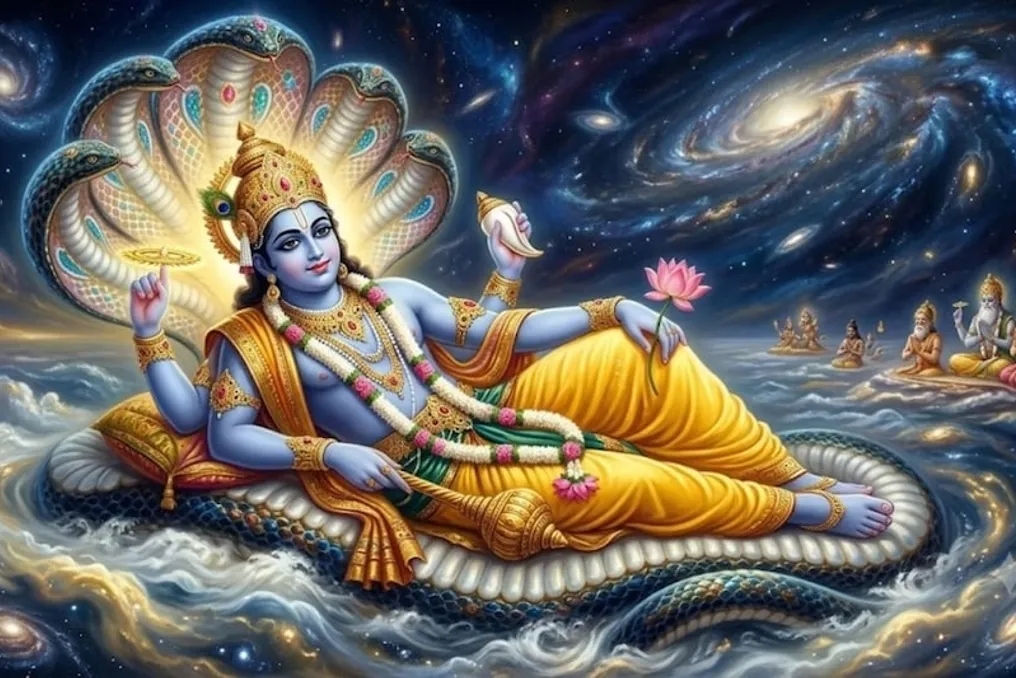
According to Hindu tradition, Krishna was born at midnight on the eighth day (Ashtami) of Krishna Paksha (dark moon) of the Bhadrapada month, which falls between August and September in the Hindu calendar. It is believed that Lord Krishna appeared more than 5000 years ago in Mathura during the Dwapara Yuga.
Astrologically, Janmashtami occurs when the Moon passes through the Rohini star in the Taurus sign. The Moon is considered exalted and particularly strong in Taurus. In Hinduism, certain nights are recognized as exceptionally powerful for connection with divine cosmic energy, and Janmashtami belongs to such Maharatris, or extremely potent nights. It is believed that performing japa (repetition of sacred mantras) and worshipping God in any form on such a night brings immeasurable spiritual benefit.
Other nights traditionally considered Maharatri for spiritual practice include Shivaratri, Holi, Diwali, Hanuman Jayanti, Sharad Purnima, and Navratri.
Rituals and Astrological Recommendations
The main custom associated with Janmashtami is fasting. Devotees can choose the form of fast based on their beliefs, capabilities, and temple schedules. Devotees may observe the fast for both days or only one.
There are several types of fasts: grain and salt fasts, where followers consume only fruits, salad, milk, and water until 6:00 PM, and then observe a strict fast, abstaining from food and drink until midnight. After the midnight aarti, they break the fast by offering sweets to Lord Krishna, and then eat.
Some devotees practice a very strict fast, refraining from food and water from morning till midnight. After performing the aarti, they break the fast with fruits, sweets, and water, while continuing to avoid grains and salt. Others break the fast only after sunrise the next day, when Ashtami or the Rohini star concludes.
It is also recommended to offer dairy sweets to the deity, as this is considered auspicious. If possible, devotees can offer Mishri (Indian sugar candy). It is important to offer Tulsi leaves, as they are considered especially sacred and dear to Lord Krishna. The sacred mantra 'Om Namo Bhagavate Vasudevaya' must be recited at least 108 times.
If it is not possible to visit the temple at midnight, one should perform aarti and ring the home bell. Special significance is given to reciting the Maha-mantra Hare Krishna: 'Hare Krishna Hare Krishna, Krishna Krishna Hare Hare, Hare Rama Hare Rama, Rama Rama Hare Hare'. This mantra consists of 16 syllables, and its benefit is considered countless; when sung sincerely, it is believed to uplift the spirit and help dispel negativity.
It is believed that Lord Chaitanya Mahaprabhu was an avatar of Lord Krishna and traditionally sang this mantra day and night. According to one traditional story, while traveling and singing in a forest inhabited by wild animals, the animals were attracted to the sound of his singing and calmed down, causing no harm to him or each other. This story illustrates the spiritual power traditionally attributed to the mantra.
According to ancient practice, repeating the Maha-mantra Hare Krishna twice silently before the first bite of food helps the food digest more easily and promotes satiety. The mantra has 16 syllables, and repeating it twice symbolically corresponds to the 32 teeth in the human mouth. This practice is traditionally associated with obtaining the best nutrition from food.
On this day, it is also recommended to read at least a few pages of the 'Bhagavad Gita', which is revered for strengthening the mind, improving karma, and deepening bhakti (devotion).
Worship of Krishna is traditionally viewed as an astrological remedy for those experiencing difficulties in conceiving a child. General worship of the Almighty is considered to bring spiritual and astrological benefits due to the favorable position of the Moon. Observing the fast on Janmashtami is also traditionally considered to bring many blessings.
If it is difficult to find a holy Guru in modern times, one should pray to Lord Krishna. Krishna is revered as Jagadguru—the teacher of all teachers and Guru of all Gurus, expressed in the phrase 'Krishnam Vande Jagadgurum'. It is believed that there is no Guru equal to Him, and through devotion and bhakti, spiritual knowledge can be naturally attained.
By sincerely and devotedly following these practices, devotees believe they can attract prosperity, strength, and peace into their lives, and change their destiny for the better. When Krishna resides in your heart, happiness will follow.