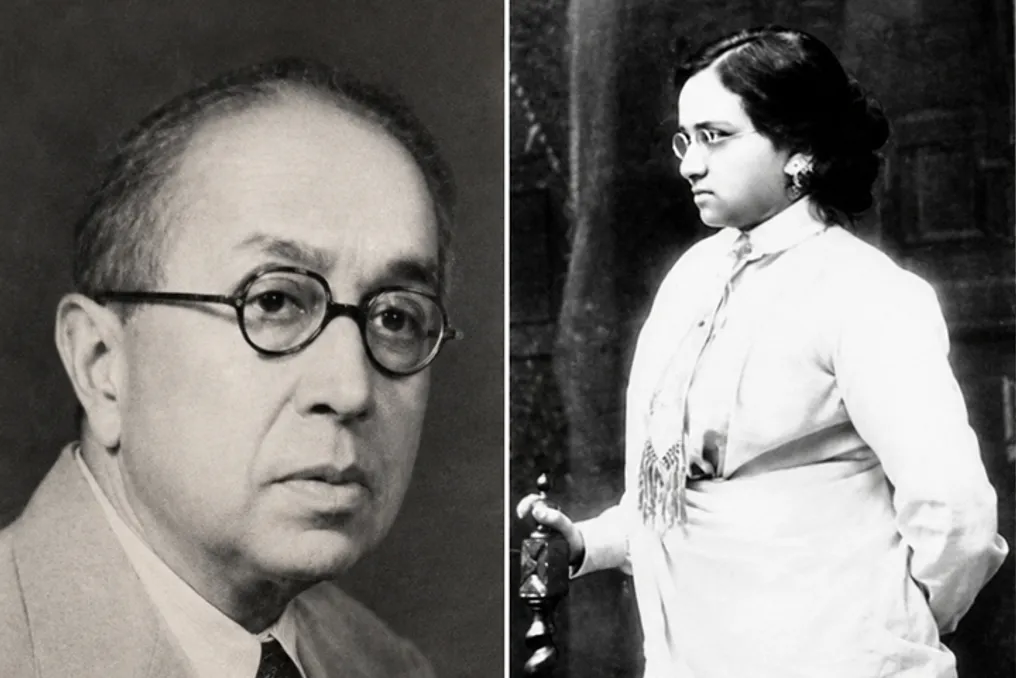
After society denied her the right to follow her dreams, her brother supported her aspirations. Years later, the sister, who was helped to receive an education, became 'Motaben'—the elder sister to thousands of workers whose rights she championed.
Anasuya was born in 1885 into the wealthy Sarabhai family in Ahmedabad. At the age of nine, she lost both parents. She was not allowed to receive a formal education, and at thirteen, she was married against her will.
The marriage was unhappy, and Anasuya eventually left and divorced her husband. When she wanted to study, her brother Ambalal Sarabhai supported her dream and sent her to England in 1912.
At the London School of Economics, Anasuya became acquainted with socialist ideas and the suffragette movement, which fought for women's right to vote. Upon returning to India, she gained a new understanding of inequality, rights, and the necessity of social reforms.
Returning to Ahmedabad, she opened a school and a kindergarten, and then established homes for mothers and hostels for young women from low-income backgrounds. However, her biggest fight was yet to come.
Anasuya witnessed the harsh conditions under which factory workers were living and began organizing demands for higher wages and improved working conditions. Even when this struggle put her in opposition to her own brother, who represented the interests of the factory owners, she did not back down.
She became an innovative figure in the Indian labor movement and contributed to the creation of the Mazdoor Mahajan Sangh, which later became known as the Ahmedabad Textile Workers' Union. The workers affectionately called her 'Motaben'—the elder sister.
Perhaps the most beautiful part of Anasuya Sarabhai's story is that her brother gave one sister the freedom to dream. She dedicated the rest of her life to fighting so that countless others could also dream, learn, and live with dignity.