Experts gathered in Uxi, China, at the 2026 Conference on Innovation and Integrated Circuit Development noted that artificial intelligence is accelerating the transformation of the global semiconductor industry faster than expected.
According to forecasts presented at the meeting on August 31, global investments in new data center infrastructure will exceed $4 trillion by 2028, with semiconductor spending accounting for $2.8 trillion of that total.
The sector growth, which participants believe will continue this year and over the next two to three years, has already allowed the global integrated circuit industry to surpass the one trillion dollar mark in 2026, beating the widely predicted timeline of 2030; total sales for this year are projected to be around $1.6 trillion.
Bai Peng, Chairman and CEO of Hua Hong Semiconductor, highlighted the sharp growth, noting that the industry reached the trillion-dollar milestone significantly earlier than planned. However, the industry faces a persistent bottleneck in memory: the global HBM market must grow by almost 60 percent this year, reaching $54.6 billion, which accounts for approximately 40 percent of the DRAM market, despite major memory manufacturers redirecting up to 70 percent of new capacity to HBM, while a stated capacity shortage of 50–60 percent persists.
China used the forum to showcase its role in advanced packaging. Jiangsu Province introduced several new innovative platforms, including a high-density optoelectronic microsystem integration lab led by packaging giant JCET and an intelligent power IC and module lab led by Chipown, both focused on AI power chips. Furthermore, the province established its integrated circuit industry alliance.
Officials emphasized strengths related to new equipment: in the 2025 global ranking of semiconductor equipment manufacturers, Naura and AMEC ranked fifth and eighth, respectively, while China's domestic equipment segment has shown a compound annual growth rate of 57 percent since 2017, roughly double the global rate.
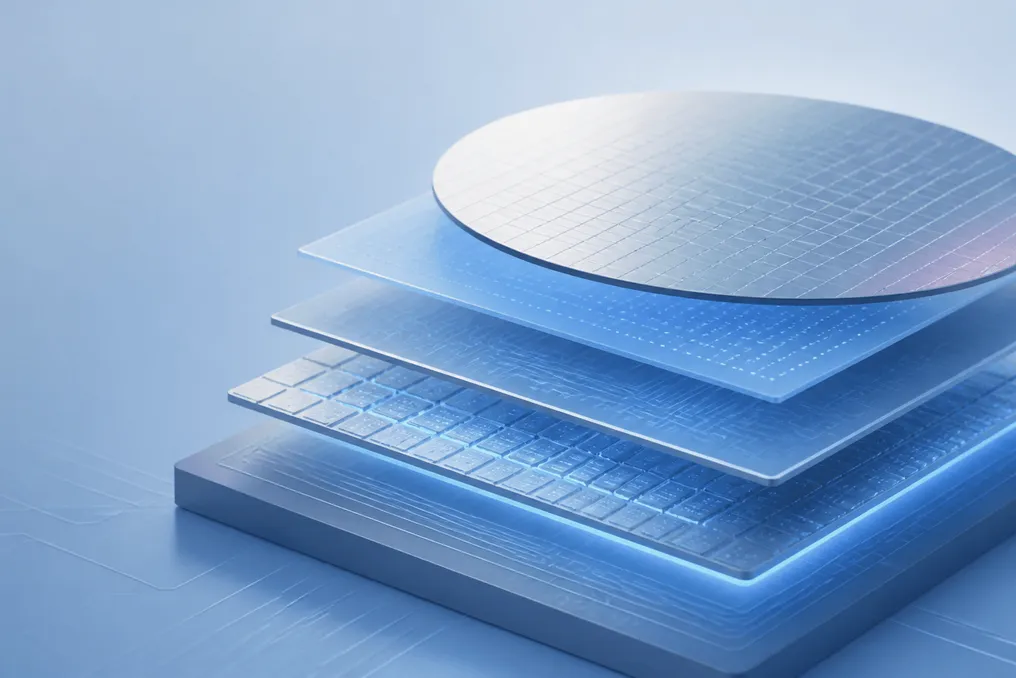
On the technological front, speakers discussed the evolution of advanced packaging from the perspective of interconnects, power delivery, and thermal dissipation. Hybrid bonding can increase interconnect density from tens of contacts per square millimeter to over a million, solve the 'memory wall' problem, and shift AI power delivery towards two-level vertical architectures to reduce energy consumption. As chip power increases, thermal management becomes critically important; for example, Nvidia has already implemented two-phase immersion cooling.
Fudan Microelectronics announced the future development of its FPGA agent development platform in response to growing interest in programmable logic in the AI era, which the company deems advantageous due to a faster and more agent-controlled iteration cycle.