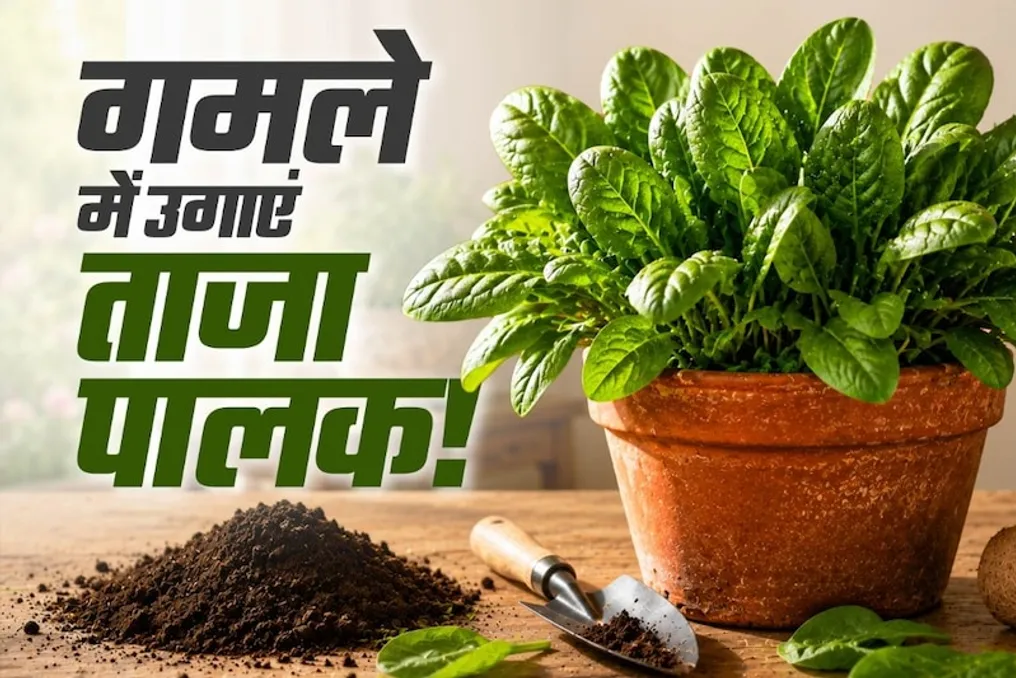
How to grow spinach at home in a pot: fresh greens ready in 30 days
Read more
Aaj Tak
www.aajtak.in

How to grow spinach at home in a pot: fresh greens ready in 30 days

Spinach is a nutritious green vegetable widely used in home cooking, preparing dishes from spinach paneer to dal and paratha, and it is liked by most people. Although spinach is easy to find in the market during winter, sometimes in summer there is a desire to eat it, but it is unavailable, which creates problems for lovers of this vegetable.

If you also love spinach, you can quite easily grow it in home pots. Growing spinach does not require a large garden; one pot placed on a balcony or roof is enough. With the right soil, watering, and minimal care, you can use your freshly grown spinach in about a month. Below is a guide on how to easily grow spinach at home.

When choosing a pot for growing spinach, you should not take one that is too small. You need to choose a container that provides enough space for the plant to grow. The pot must have drainage holes at the bottom so that water does not stagnate in the soil. A pot with a width of about 10-12 inches is suitable for growing spinach in a container.

For good development, spinach needs soft, loose, and nutritious soil. To create suitable soil, you can mix garden soil with well-rotted compost or manure. It is important that the soil is not too heavy or sticky, as waterlogging can damage the plant's roots.

After filling the pot with soil, do not bury the spinach seeds deeply. They should be sprinkled with a thin layer of soil and gently watered from above. In the initial stage, it is better to maintain soil moisture using a sprayer instead of watering with a strong jet, as this will prevent the seeds from shifting. If everything goes correctly, the seeds begin to sprout in about 5-7 days.

The spinach soil should remain moist, but water should not accumulate in the pot. Water when the top layer of the soil feels dry. Overwatering can lead to root rot. Since the need for water increases in hot weather, it is recommended to water based on the condition of the soil.

Spinach needs light, but the plant absolutely dislikes excessive heat and intense midday sun. Receiving moderate light for 4-6 hours daily promotes good growth. In hot weather, place the pot where it receives morning sun and is in light shade during the day.

With proper care, spinach seeds can germinate in about a week, and the leaves become usable in 30-40 days. When the plant's leaves have grown well, instead of digging up the entire plant with its roots, you should cut the outer leaves. This stimulates the appearance of new leaves from the center, allowing you to harvest fresh spinach from the same plant multiple times.
Similar stories

Before the end of August, it is recommended to plant 5 expensive vegetables in pots for a winter harvest
Read more
www.aajtak.in

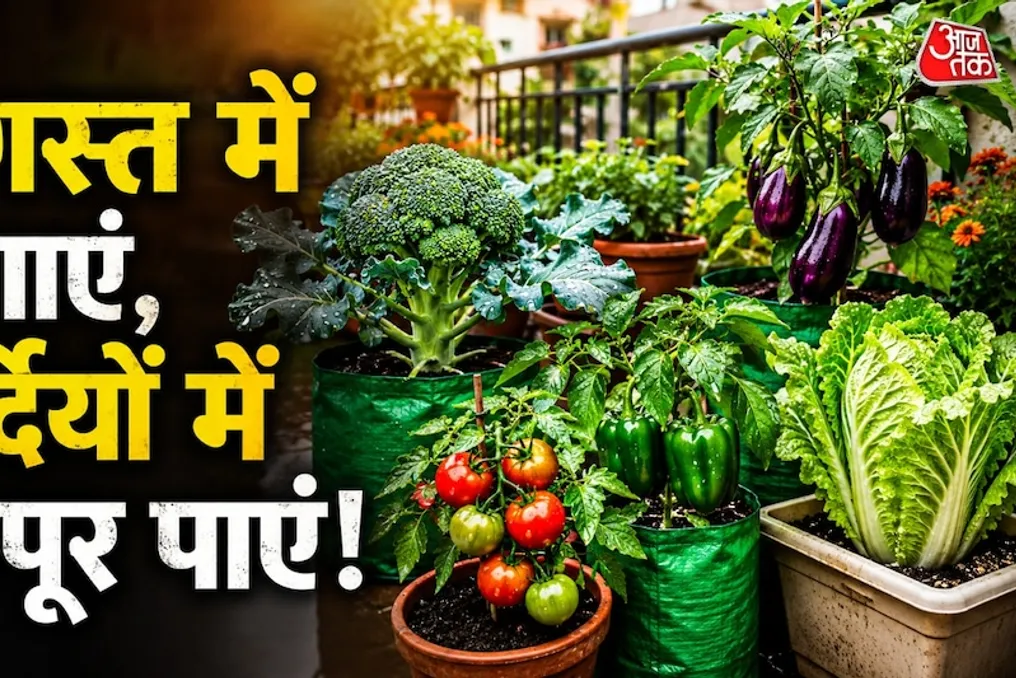
Before the end of August, it is recommended to plant 5 expensive vegetables in pots for a winter harvest

The rainy season is coming to an end, but if you have not yet planted your plants in your garden beds, there is no need to wait. The rainy period is considered the best time for planting and growing new plants. Now is the time that can help you grow many flowers and vegetables.

If you want to fill your empty garden beds, roof, or balcony with green vegetables as the rainy season ends, August and September are suitable months. During this time, you can plant some types of vegetables that are expensive in the market but require not too much effort to grow at home. It is important to note that many of these vegetables are easy to cultivate in pots and growing bags.

With the right seeds and a little care in a home garden bed, you can get so many vegetables that you won't have to buy them at the market, and you can share them with your neighbors.

Broccoli: August-September is a good option for preparing broccoli seedlings. This vegetable is more expensive than others in the market, but it can be easily grown at home. Seedlings grown from seeds can be transplanted into pots, growing bags, or soil in about 15-20 days. Using high-quality seeds can improve plant growth. If you plant broccoli now, it may be ready for consumption by November.

Sweet Peppers: If you want to fill your garden bed with colorful vegetables, be sure to plant sweet peppers. At this time, you can prepare seedlings of green, red, and yellow bell peppers. With proper care, they can also be grown in pots or growing bags. After the plant is well established, it will produce sweet peppers for a long time; fruits begin to appear about 50-60 days after planting.

Winter Tomatoes: Enjoying fresh tomatoes from a home garden in winter has a special charm. The best time to prepare seedlings for this is August-September. Plants can be transplanted into pots or growing bags when they are about 12-15 days old. Both local and hybrid tomato varieties are suitable.

Chinese Cabbage: Chinese cabbage is among the fast-growing vegetables. Its seedlings are also easy to prepare, and with proper conditions, it can be ready for harvest in about 40-45 days. It does not require much space, so it can be grown even in small garden plots or in growing bags. Both red and green varieties can be planted.

Eggplants: Eggplants can also be grown in August-September. They are considered evergreen vegetables grown indoors. They can bear fruit throughout the year, and there are fewer insects on them during the winter. If the seedlings are prepared in August, the plant can produce eggplants for a long time. In addition to soil, it can be planted in large pots or growing bags.

How to grow chili peppers from seeds taken from store-bought peppers in 50-60 days
Read more
www.aajtak.in

How to grow chili peppers from seeds taken from store-bought peppers in 50-60 days

You have probably tried buying chili peppers in the store, but did you know that this vegetable can be the basis for your home garden? If you plan to plant something on a balcony or roof during the rainy season, you can start with chili peppers. The advantage is that you won't need expensive seeds; the plant can be grown using seeds found inside the purchased chili pepper.

Growing a chili pepper plant at home is very simple and does not require much effort. By following some rules, you can provide yourself with chili peppers throughout the year. During the rainy season, the chili pepper plant grows especially easily. Next, we will explain how to grow a plant from a pepper you have at home.

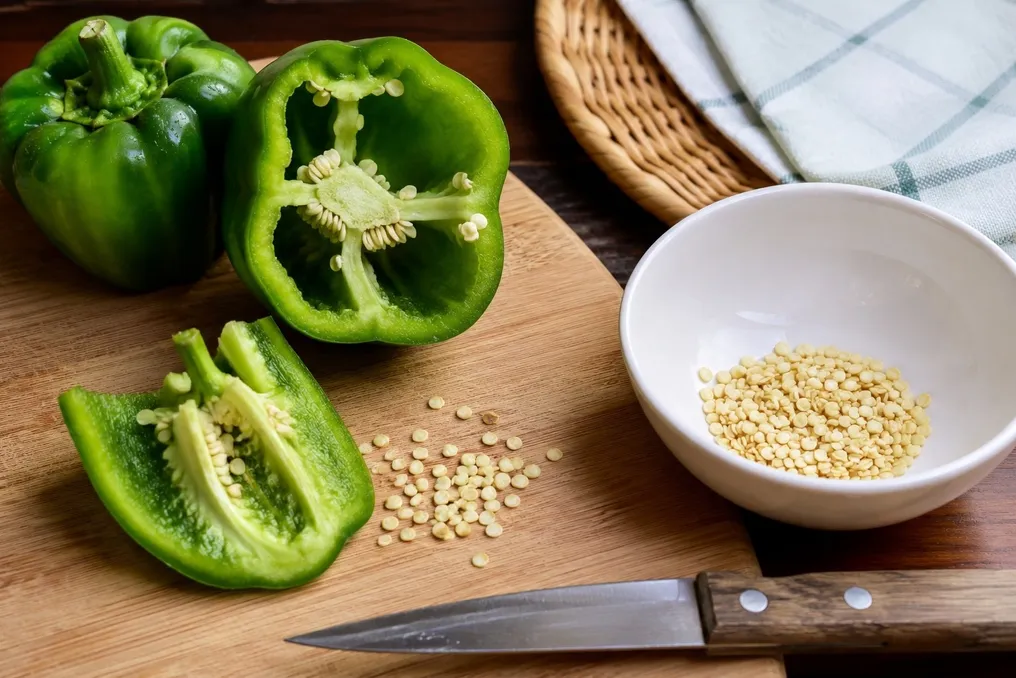
To grow a chili pepper plant in a pot, you first need to take a good and healthy chili pepper. You must cut it open and extract the seeds inside. Try to keep the seeds clean and healthy. After extracting the seeds, they should be slightly dried in the shade to remove excess moisture.

A pot about 10–12 inches deep and wide is suitable for a chili pepper plant. There must be drainage holes at the bottom of the pot. This is especially important during the rain, as constant water accumulation can lead to root rot. For soil, you can use garden soil mixed with well-rotted manure or vermicompost and a small amount of sand. This will help the soil remain loose and facilitate the drainage of excess water.

After filling the pot with soil, carefully place the chili pepper seeds at a shallow depth. Do not put too much soil on top. Then, lightly water the seeds using a spray bottle so they do not shift position. The pot should be placed in a location with good light, but where direct rainfall does not reach it.

During the monsoon season, people often water plants daily, although this can be excessive during the rains. Before watering, check the top layer of the soil with your finger. If the soil is already moist, watering is unnecessary. Waterlogging in the pot can cause mold and root rot problems. Therefore, on rainy days, it is necessary to keep the soil moist, but not to allow it to become overwatered.

When a small sprout appears from the seed, it should be placed where there is good light. As the plant grows a little, it needs both good lighting and several hours of sunlight. Chili pepper plants usually prefer lots of sun, but protection from heavy rain and constantly wet soil is also extremely important.

Periodically, you should gently loosen the soil and remove dry or damaged leaves from the plant. If necessary, you can fertilize with organic fertilizers, which will help improve plant growth.

After about 40–50 days, small chili pepper fruits will begin to appear on the plant, which are initially green. You can harvest them and use them while green. If you leave them on the plant for a few more days, they will gradually change color to yellow or red. Thus, one plant can yield chili peppers of different colors.

Popular