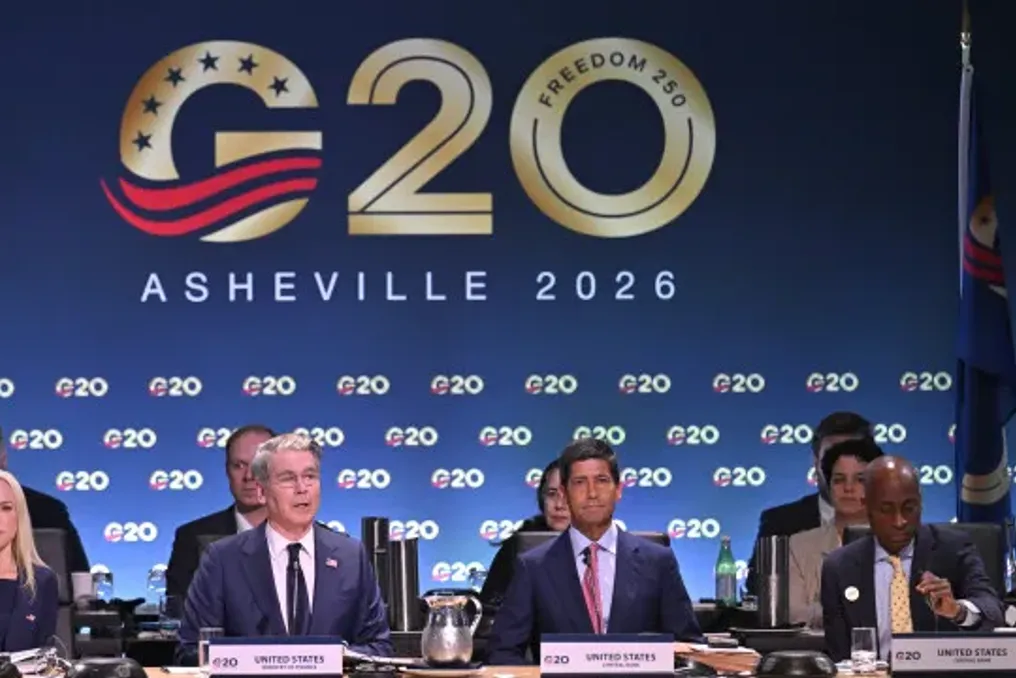
G20 finance ministers emphasized that the freedom, safety, and predictability of shipping in the Strait of Hormuz and globally, as well as the resolution of current wars and conflicts, are necessary conditions for ensuring sustainable growth.
According to the final statement published by the American organizers, the paragraph concerning the Strait of Hormuz was approved by all G20 members except China.
During the press conference, US Treasury Secretary Scott Bessent expressed hope for a unanimous statement but clarified that consensus was reached with all participants except one.
The published statement indicated that China rejected several paragraphs in addition to the one regarding the Strait of Hormuz. Among the rejected topics were global imbalances, which indirectly refer to Beijing's very favorable trade balance, and the general scheme for resolving sovereign debt of countries in crisis.
Scott Bessent responded to a question, noting: 'It is obvious that China, the country with the largest and most unstable current account surplus, was the dissenting voice.'
Bessent assured that the participation of the Russian finance minister at the summit in the United States did not have an 'influence' on the discussion outcomes.
The American minister and the host of the event at the end of the two-day meetings in Asheville, North Carolina, stated: 'I know some Europeans left with a bitter taste, but I think it is very important to discuss with Russia the end of the war in Ukraine.'