Mozambique intends to resume cooperation with Serbia in commercial and educational spheres
Read more
Noticias ao Minuto
noticiasaominuto.com

Mozambique intends to resume cooperation with Serbia in commercial and educational spheres

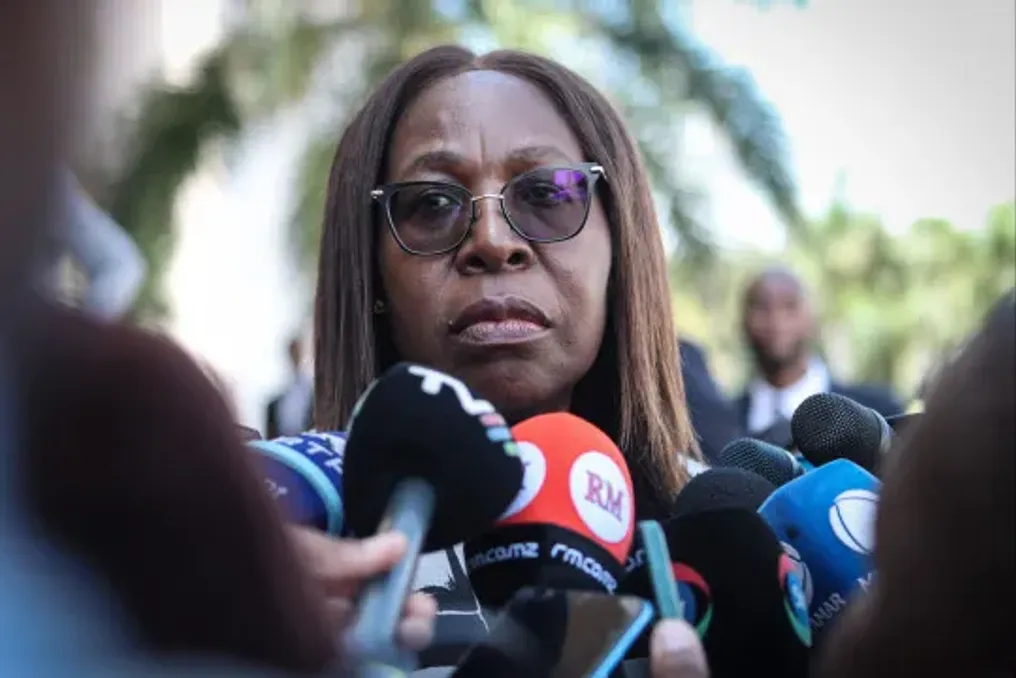
Levi, who has been in Serbia since August 30th to participate in the celebration of the 65th anniversary of the Non-Aligned Movement Conference, stated that both countries aim to expand cooperation beyond the political and diplomatic sphere.

The Prime Minister of Mozambique noted that they see this situation as an opportunity to restore relations and advance in other areas of interaction, such as trade and other sectors.

According to Levi, Mozambique and Serbia have identified agriculture, industry, and education as strategic areas. Furthermore, Belgrade expressed readiness to increase the number of scholarships for students from Mozambique.

Ms. Levi emphasized: 'Serbia is interested in providing scholarships to Mozambican students. Currently, we only have seven Mozambican students here in Serbia, which is very few, but they are open to increasing the number of scholarships.'

In addition, the head of the Mozambican government highlighted the potential for cooperation in the military industry, as well as in other sectors that both countries consider strategic.

Relations between Mozambique and former Yugoslavia date back to the period of the struggle for national liberation and were officially formalized 51 years ago after Mozambique gained independence. In recent years, cooperation has been focused predominantly at the political and diplomatic level.

The Prime Minister visited Belgrade to take part in a high-level meeting in honor of the Non-Aligned Movement, which was held under the theme 'The Legacy of Non-Alignment, Lessons for Today's World,' against the backdrop of geopolitical tension and international conflicts.

She defended the position, stating: 'The Bandung principles, confirmed by the non-aligned nations, are principles that remain extremely relevant, and we must use them to solve the challenges facing us.'
Similar stories

Cape Verde President Stresses Need for African Union Reform
Read more
noticiasaominuto.com

Cape Verde President Stresses Need for African Union Reform

The head of state of Cape Verde, José Maria Neves, in an interview with the publication Lusa, speaking on the sidelines of the 21st extraordinary session of the Conference of Heads of State and Government, which is taking place in the capital of Angola and is dedicated exclusively to conflict prevention in Africa, once again emphasized the importance of reforming the African Union.

Neves became the first head of state from Portuguese-speaking Africa to arrive in Luanda. The president of Mozambique, Daniel Chapo, is also expected to participate in this summit. The main objective of the summit is the practical application of the Early Warning and Early Action Mechanism, which was discussed by the organization some time ago.

The President of Cape Verde noted in his interview with Lusa the difficulties the African Union faces in implementing its adopted decisions. He reiterated the need for reforms that 'should be aimed at increasing the efficiency of the organization itself and improving results.'

He stressed that a multi-level governance system must be created at the continental level, allowing for the redistribution of workload among the African Union, subregional organizations, and the states themselves. Neves added that this will require reforms and changes, but they must be implemented gradually to achieve the desired result.

In his opinion, although work is being done in this direction, 'these reforms affect structures, norms, rules, mental habits, which are not easy to change.' He also stated that to prevent and resolve conflicts, as well as to overcome constitutional crises, it is necessary to significantly increase the effectiveness of implementing adopted decisions and possess the ability to carry out necessary reforms.

For José Maria Neves, the African Union must work to become a significant political player and exercise its authority, 'above all, through the ability to influence.' Furthermore, the head of state noted that the organization must 'mobilize sufficient resources—material, financial, human—to meet the needs of more concrete actions on the ground.'

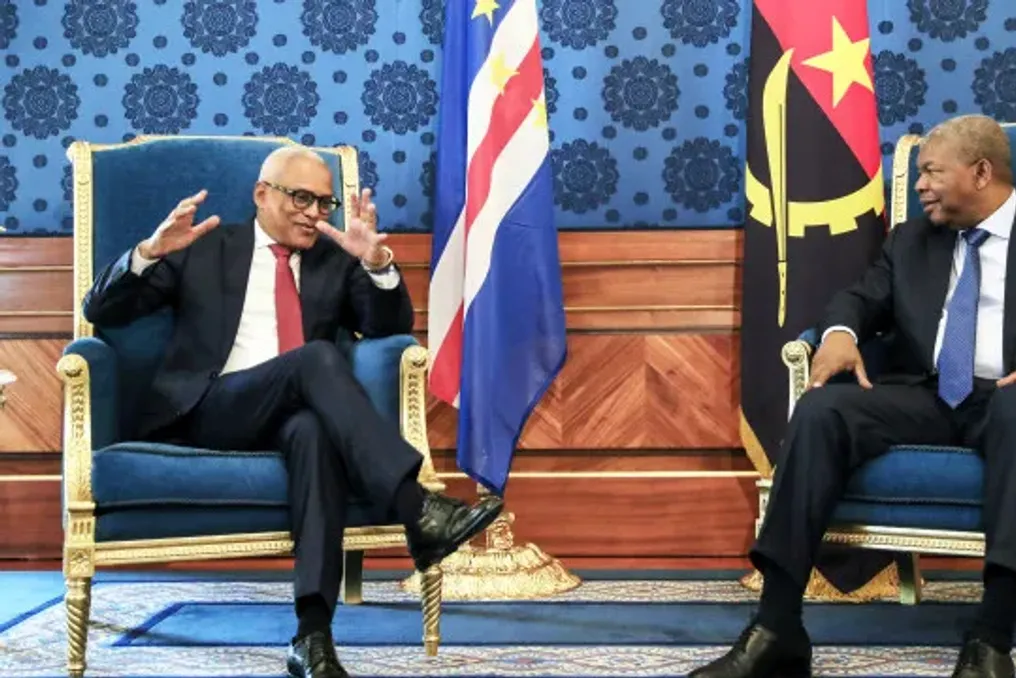
In the morning, the President of Cape Verde met with his colleague and host of the summit, João Lourenço. Various matters of common interest were discussed during the audience, opening new prospects for activating bilateral cooperation in strategic areas such as tourism, transport, and national defense.

According to the Presidency of Cape Verde, José Maria Neves welcomed the announcement of the resumption of TAAG – Angola Airlines flights to Cape Verde. This route will connect Luanda with Dakar and Praia, strengthening regional connectivity and bringing the two peoples even closer.

Today, the Executive Council of the African Union gathered in Luanda to prepare documents that will be discussed by the heads of state and government at the extraordinary summit on Sunday. The summit's program includes an opening ceremony with three speeches: from João Lourenço as host, the President of the AU Commission, Mohamed Ali Youssouf, and the President of Burundi and AU leader, Évariste Ndayishimye. After the ceremony, the meetings will take place behind closed doors, while a conference representative emphasized that 'the summit is exclusively African.' International partners were not invited; only the diplomatic corps and accredited organizations are expected to attend the closing part.

Mozambique supports strengthening CPLP and seeks ratification of the organization's statutes
Read more
noticiasaominuto.com

Mozambique supports strengthening CPLP and seeks ratification of the organization's statutes

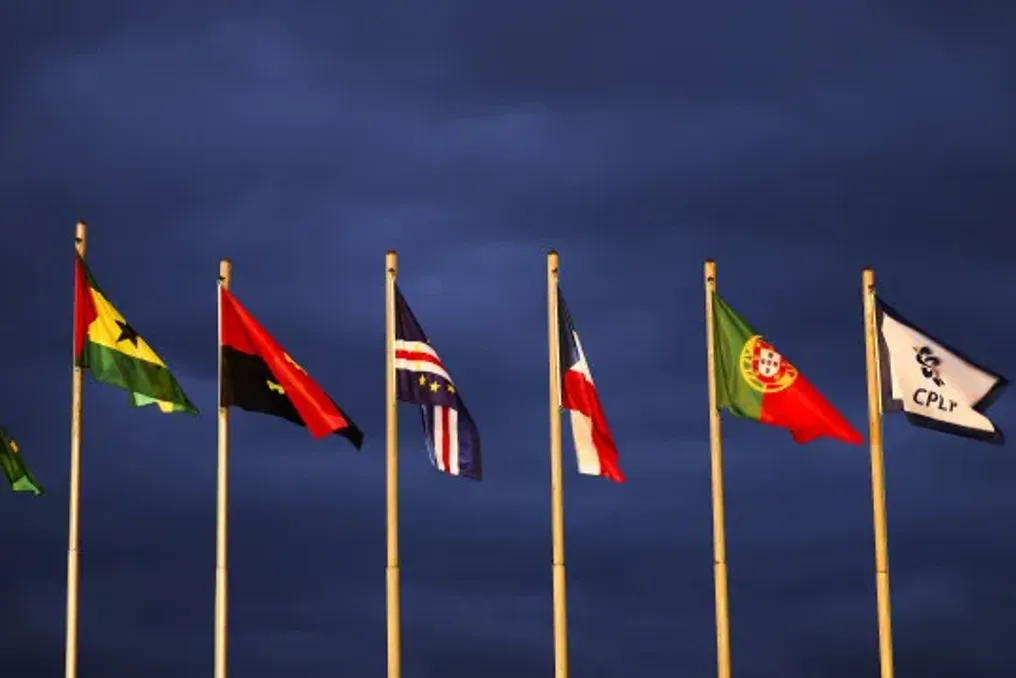
Maria Manso, Secretary of State for Foreign Affairs and the Mozambican Diaspora Abroad, affirmed Mozambique's commitment to a more cohesive, dynamic, and influential CPLP that is closer to its citizens. These statements were made during the 31st session of the organization's Council of Ministers, held in Dili, the capital of Timor-Leste, on Wednesday, according to a report from the Ministry of Foreign Affairs and Cooperation, which was obtained by Lusa.

During her speech, the official emphasized that the country is closely monitoring the implementation of decisions adopted at the Conference of Heads of State and Government of the organization, which took place in Guinea-Bissau in 2025.

According to Maria Manso, priorities include strengthening economic and business cooperation, effectively implementing the Mobility Agreement, promoting the Portuguese language, reinforcing the organization's institutions, and deepening strategic partnerships within its Community.

Furthermore, the official announced that Mozambique has completed its internal procedure for approving the ratification of the revised CPLP Statutes and has submitted the relevant ratification document to the Secretariat of the organization's executive body.

Manso noted that this step is an 'irrefutable testament' to the commitment to deepening the integration process of the Community and enhancing the institutional effectiveness of the Organization, urging member states that have not yet completed their internal processes to continue necessary efforts.

Addressing the theme of the meeting dedicated to strengthening the democratic rule of law in CPLP countries, the Secretary of State acknowledged persistent challenges requiring a collective response from the Portuguese-speaking community.

She pointed out that 'significant challenges remain that call into question the sustainability of institutions and the ability of states to ensure inclusive and responsible democratic governance.'

According to the document, the official insisted that strengthening the democratic rule of law is one of the main tasks of CPLP, requiring not just the formal existence of democratic institutions, but also their real capacity to guarantee fundamental rights, ensure governmental accountability, and promote broad and effective civic participation.

Despite the difficulties, she highlighted 'notable progress' within the community, particularly through the strengthening of institutional cooperation networks, exchange of best practices, mutual knowledge sharing, and harmonization of legislation in areas of common interest, including combating organized crime.

In her speech, Maria Manso also stressed Mozambique's commitment to combating terrorism in the Cabo Delgado province.

She stated: 'We continue to make efforts, with the support of our regional and international partners, to respond to terrorism affecting northern Mozambique, while maintaining the principles of the rule of law, protection of the population, and respect for human rights.'

The CPLP Council of Ministers session takes place in a year when the organization marks 30 years of existence. The 31st ordinary meeting of the Council of Ministers discussed, among other things, the strategic agenda of CPLP for the period 2027–2033 and the development of a New Strategic Agenda for strengthening economic cooperation for the period 2028–2033.

Popular