Government reduces sugar warehouse stock limit for dealers to prevent accumulation
Read more
The times of India
timesofindia.indiatimes.com

Government reduces sugar warehouse stock limit for dealers to prevent accumulation

On Tuesday, the government halved the sugar storage limit for dealers, setting it at 2000 quintals. This restriction is valid from September 15 to November 30.

This step was taken as part of the government's efforts to ensure an adequate supply of sugar in the domestic market and to prevent speculative trading and inventory accumulation.

Although retail prices have dropped to approximately 63 rupees per kilogram, they remain high even after ex-manufacturer prices fell by more than 20% following the government's implementation of several measures.

Similar stories

After a one or two-day wait, sugar will become cheaper than 60 rupees per kilogram
Read more
www.aajtak.in

After a one or two-day wait, sugar will become cheaper than 60 rupees per kilogram

Following a sharp rise in sugar prices in recent days, a period of price reduction has begun. Thanks to strict decisions made by the central government and increased market control, there has been a significant 18 percent drop in the price of factory-supplied sugar.

After this substantial fall, the price of sugar on the wholesale market dropped to 55 rupees per kilogram. It is expected that this government decision will directly impact the retail market, and in the coming days, sugar will start selling in local grocery stores below the 60 rupee per kilogram mark.

Over the past fifteen to twenty days, the country's sugar market experienced an unexpected surge in activity. Sugar prices at export factories reached an all-time high of 67 rupees per kilogram, leading to a rapid increase in retail sugar prices.

According to Sanjay Chopra, the chief secretary for food, the main reason for this sudden price jump was the arbitrary increase in tariffs by some sugar mills. This policy by the mills created an artificial speculative atmosphere at both the wholesale and retail levels of supply, which directly affected the pockets of ordinary citizens.

Once sugar prices reached 67 rupees per kilogram, the central government took two major steps to stabilize the situation. To prevent shortages in the domestic market and strengthen supplies, the government opened up the possibility of importing sugar from foreign markets. This prevented speculators from controlling the market.

The government also issued a clear warning that strict legal action would be taken against those who illegally hoard stocks and raise prices through speculation. As soon as a strict monitoring mechanism was introduced, speculation in the market immediately stopped.

As a result of implementing strict government directives and policies, sugar mills were forced to lower prices. In just a few days, the export-factory price fell from 67 rupees per kilogram to 55 rupees per kilogram.

Sanjay Chopra, the Food Secretary, stated in an interview with PTI that this decrease in sugar prices will not stop here. In the coming days, as imported sugar fully enters the domestic markets and the supply chain normalizes, further easing of export-factory rates is expected.

According to trade rules, when the export-factory price of any food product decreases, this benefit is passed from the wholesale market to retailers, and then to end consumers.

Currently, since the export-factory rate is 55 rupees per kilogram, the cost for wholesalers has significantly decreased. Even after accounting for transportation costs and local markup, sugar prices in retail grocery stores are expected to fall below the 60 rupee per kilogram mark in the coming days. The reduction in sugar prices during holidays and daily use will bring enormous economic support to the general public.

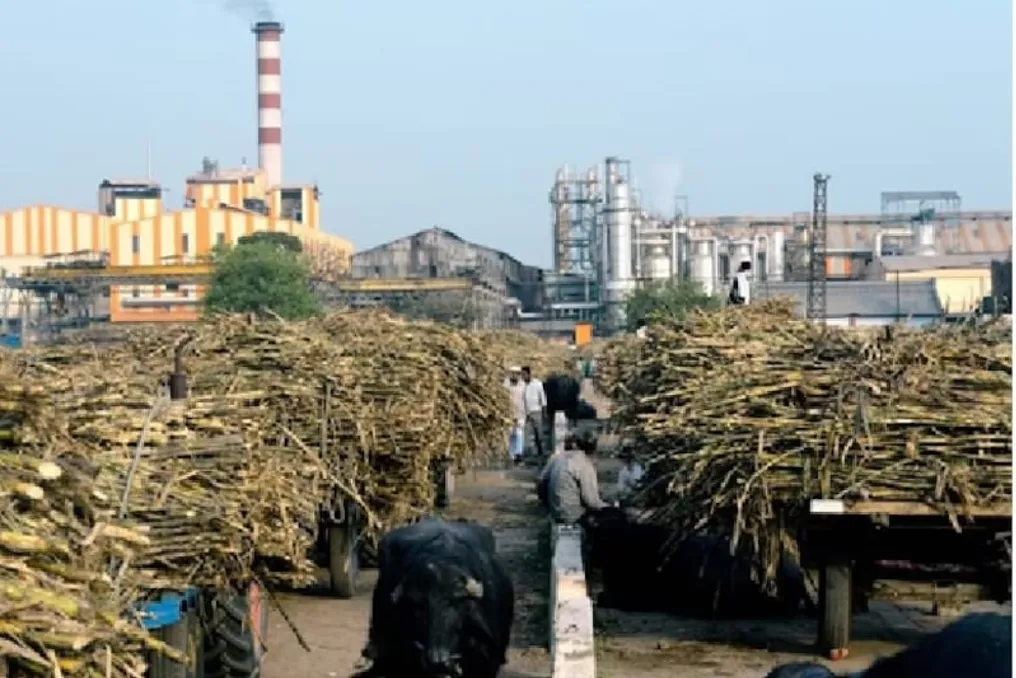
Modi's government introduces sugar stock limits to combat speculation
Read more
www.aajtak.in

Modi's government introduces sugar stock limits to combat speculation

Ahead of the festive season, the Modi government has taken decisive measures to prevent the accumulation of sugar stocks. The central authority has established strict limits on sugar storage, stipulating that only a 15-day supply is permitted. This decree will take effect on September 1st.

Dealers and traders who handle more than 10 metric tons of sugar per month will no longer be able to accumulate stocks beyond the newly set limit. Previously, in August, the government had set a limit of 30 days for sugar dealerships, but this period has now been reduced to 15 days. The central government is actively combating stock accumulation amid rising sugar prices and the approaching holiday season.

Under the new limit, wholesale traders and dealerships consuming more than 10 metric tons of sugar per month must not store supplies for longer than 15 days. This new regulation, effective from September 1st, will remain in force until November 30, 2026. The scope of this rule includes confectionery manufacturers, beverage producers, the food industry, and candy sellers.

The government will closely monitor traders' activities by identifying them based on various criteria, including average monthly consumption over the past year. Furthermore, sales made directly to large consumers from sugar mills or through dealers will be monitored. Sales and consumption will be verified using GST Returns and the HSN code for sugar.

This step taken by the central government before the festive season is significant, as demand for sugar sharply increases from August to November. According to recent data, the price of sugar has reached a record high. Over one month, the retail price of sugar increased by approximately 13-14 percent.

The main goal of changing the sugar storage limit is to prevent speculation, increase product availability, and stabilize prices. Meanwhile, administrative and local authorities located in federal territories will be exempt from this decree.

Popular