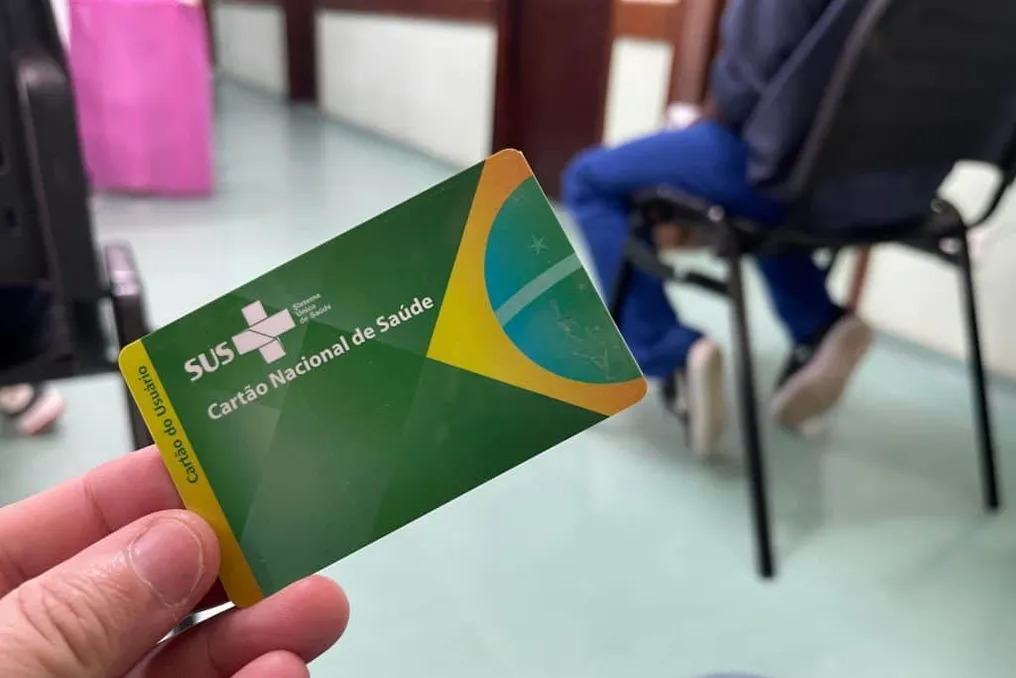
The Unified Health System (SUS) will adopt WhatsApp as a tool to manage the scheduling and rescheduling of appointments. This functionality was developed by Integra Saúde Digital and has the capacity to serve approximately 20.4 million users in cities that choose to implement the technology.
According to Estadão Conteúdo, the solution is currently in a pilot phase and is expected to begin official operations next quarter. The main objective is to optimize contact with patients, reduce no-show rates, and maximize the use of available slots in the public health network.
With the use of WhatsApp, the patient themselves can confirm or request the rescheduling of their appointment without needing to interact with a human operator. Although scheduling is already integrated into the SUS system and can be accessed via a local application, the innovation focuses specifically on the communication stage with the patient, automating confirmations and reschedules.
The tool was also designed to handle cases of missed appointments. If the patient cancels or communicates their inability to attend, the automation system can free up that slot for another user, preventing a vacancy from being wasted in the care network.
It is important to note that the management of appointments remains the responsibility of municipal Health Secretariats, which continue to be responsible for the regulation and control of vacancies. The technology does not assume the regulatory function of appointments.
Evaluation and Next Steps
The system is being tested in partner cities, where officials will monitor the tool's performance and patient reaction before full implementation. Among the indicators to be analyzed are the no-show rate, the time required to obtain an appointment, the utilization of slots, and overall user satisfaction.
The results obtained during the pilot period will determine whether the automation truly manages to improve this segment of public care. Even with the integration of WhatsApp, municipal Health Secretariats maintain responsibility for organizing care and referring patients, while current tests aim to define the tool's behavior in the routine of participating municipalities until the official start of the service next quarter.