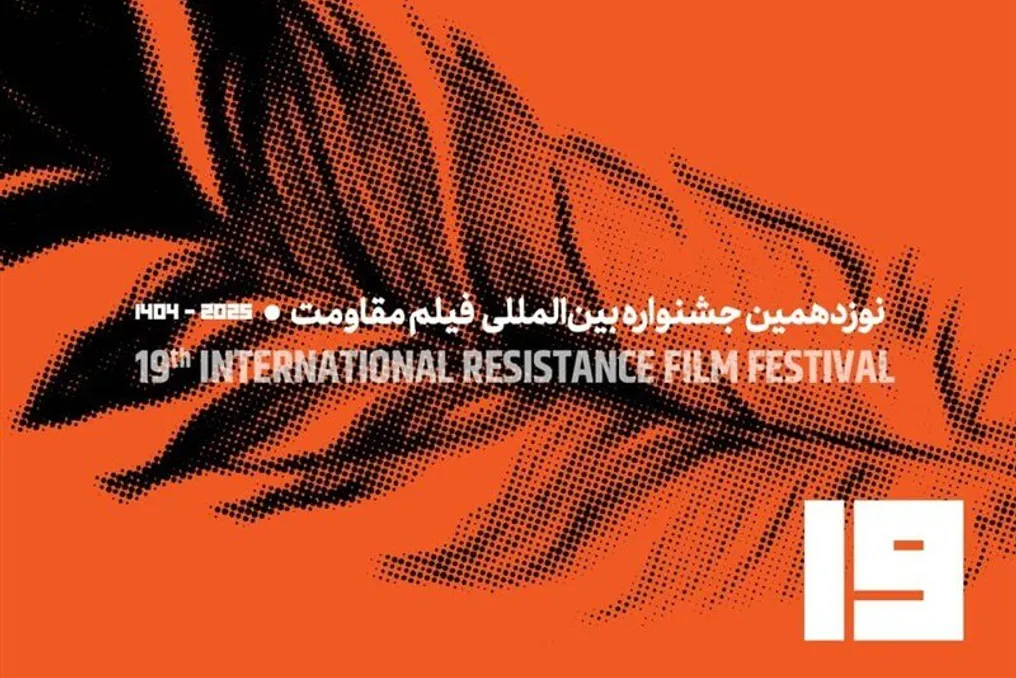
The secretariat of the 9th International Film Festival of Resistance has announced the call for abstracts for an international conference titled 'Resistance Cinema: From Theory to Practice.' The event invites researchers, scholars, filmmakers, artists, and experts in culture and media to study the theoretical foundations and practical aspects of resistance cinema.
The conference aims to explore the theoretical bases, artistic possibilities, and social functions of resistance cinema, paying special attention to its role beyond the traditional depiction of war and armed conflict. Organizers view resistance cinema not merely as a genre or a body of films about conflicts, but as a cultural, intellectual, and civilizational discourse.
This discourse is aimed at presenting the resistance of nations against imperialism, colonialism, domination, and hegemonic structures. Furthermore, it offers narratives focused on liberation and justice as an alternative to unilateral accounts created by dominant powers.
Within the framework of the conference, the concept of resistance will be studied through the prism of Islamic discourse, the ideals of the Iranian Revolution, as well as the thought of Imam Khomeini (RA) and other Iranian religious and political thinkers. Additionally, the event will examine resistance as a phenomenon extending beyond military and political spheres.
The organizers plan to study the connection between resistance cinema and concepts such as identity, culture, collective memory, the pursuit of justice, independence, human dignity, and the right of peoples to self-determination.
The conference 'Resistance Cinema: From Theory to Practice' is designed to create a platform for academic and artistic dialogue on the interconnection of cinema, social change, liberation movements, and the historical experience of nations resisting dominance. Key topics include the philosophical and aesthetic foundations of resistance cinema, the relationship between form and content oriented towards resistance, and the role of cinema in representing opposition to imperialism and hegemonic power.
Attention will also be paid to cinema and collective memory, resistance narratives in the Muslim world, the cinematic experience of the Sacred Defense of Iran, the influence of the Islamic Revolution on the development of literature and art of resistance, as well as the opportunities and challenges of resistance cinema in the era of new media.
University professors, researchers, students, filmmakers, and experts in cinema, cultural studies, political science, sociology, media, history, philosophy, and arts are invited to present scientific papers and analytical research at the conference before September 11th.
The event seeks to connect theoretical knowledge with artistic experience, contributing to the development of credible academic literature on resistance cinema. Local narrative models and methods for enhancing cinema's ability to represent narratives of truth, freedom, and resistance will also be examined. Selected papers will undergo academic review and subsequently be published in the conference proceedings.
The International Film Festival of Resistance, which is organizing the conference, is one of Iran's major cinematic events dedicated to films and works of art that address themes of resistance, social justice, independence, and historical struggle.