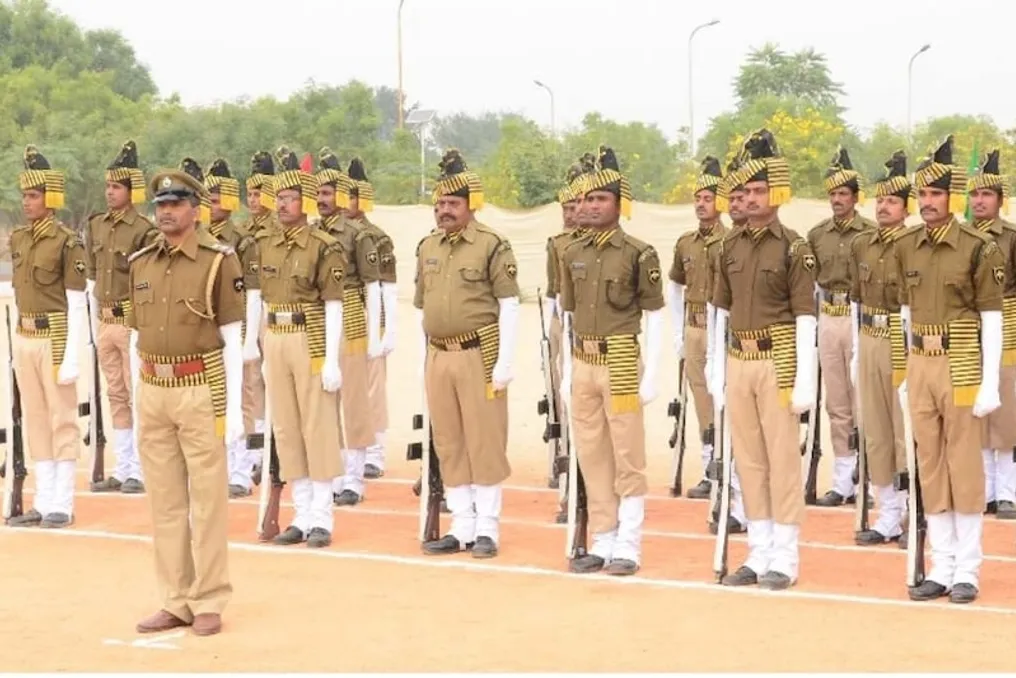
Physical fitness stage begins for candidates for 41,424 vacancies in the police force in Uttar Pradesh
Read more
Aaj Tak
www.aajtak.in

Physical fitness stage begins for candidates for 41,424 vacancies in the police force in Uttar Pradesh

An important update has been announced for candidates who successfully passed the written examination as part of the police recruitment drive in Uttar Pradesh. The Physical Efficiency Test (PET) for 41,424 vacancies will be conducted from September 8 to September 15, 2026. Additionally, a reserve day has been set for September 16, 2026.

The Uttar Pradesh Police Recruitment and Promotion Board (UPPRPB) has published the necessary information regarding the PET. Candidates who have taken the written test must now undergo the physical examination.

The dates for the PET for successful participants of the police recruitment written exam have been set: the test will begin on September 8, 2026, and last until September 15, 2026. In case of unforeseen circumstances, a reserve day is provided for September 16, 2026.

Candidates must report for the PET according to the date, time, and center specified in their admit card.

According to UPPRPB, the PET admit card will be posted on the department's official website approximately seven days before the scheduled exam date. Applicants will be able to download their admit card via a special link on the website. The document will contain details about the testing center, the set date and time, and other important information that must be followed.

The department strongly recommends that candidates regularly visit the official website of the Uttar Pradesh Police Recruitment and Promotion Board for further important instructions. All notifications and guidelines regarding the exam will be published exclusively through this website.

Candidates who passed the written examination for the police recruitment should now focus on preparing for the PET and carefully study all the data presented in the admit card after its release.

Similar stories

Iltija Mufti joins medical interns' strike over low scholarship compensation
Read more
timesofindia.indiatimes.com

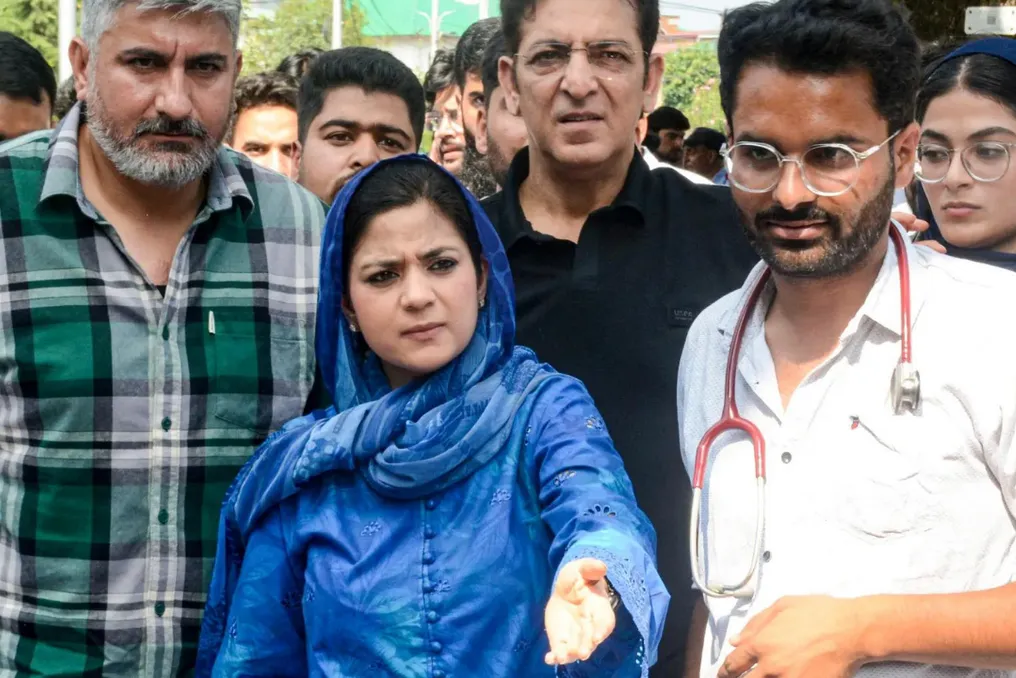
Iltija Mufti joins medical interns' strike over low scholarship compensation

On Tuesday, Iltija Mufti joined the protest by MBBS and BDS interns held at the Government Medical College in Srinagar. The strike began the previous day and is of an indefinite nature.

The interns are holding the action in Jammu and Kashmir, demanding that the monthly stipend be increased from the current 12,300 rupees to 30,000 rupees, while the government has agreed to consider their demands.

Iltija called on the Jammu and Kashmir government to immediately initiate a dialogue with the protesting interns, mentioning that the monthly stipend in Odisha and West Bengal is around 45,000 rupees.

Earlier, on Monday, Health and Medical Education Minister Sakina Itu asked the interns to end the strike, as it negatively affects patient care. Itu stated that the interns' demands are justified and the government is already working to meet them.

Cabo Verde initiates study on labor shortage in the construction industry
Read more
noticiasaominuto.com

Cabo Verde initiates study on labor shortage in the construction industry

The Minister of Infrastructure, Housing and Territorial Planning of Cabo Verde, Carlos Tavares, stated that the lack of labor is one of the main problems in the construction sector, leading to delays at sites he visited on Santo Antão island.

These statements were made at the opening of the Sectoral Council for Certification of Professional Qualifications in Construction and Civil Works, held in Praia. Carlos Tavares emphasized that the labor shortage causes issues with the quality and deadlines of work, and insisted on the need to collect data to assess the sector's needs.

He announced that they plan to conduct this study jointly with the National Statistics Institute to accurately determine both the quantitative and qualitative labor shortage in construction. The Minister specified that the staff shortage forces companies to hire foreign workers who, like Cabo Verdean citizens, require proper training.

Carlos Tavares advocated for the implementation of a national policy of specialized training, asserting that the quality and safety of work should not depend on the nationality or previous experience of employees. In the minister's view, the personnel shortage negatively affects project timelines and costs, as well as the innovation and competitiveness of enterprises.

Furthermore, he proposed measures to increase the attractiveness of the construction industry to young people, including improving working conditions and increasing wages to help retain workers in Cabo Verde. The Minister also called for strengthening control over working conditions, particularly timely salary payments, as delays demotivate personnel.

For the minister, a sector reform is necessary, which must cover not only the workforce but also supervision, resource mobilization, work organization, and equipment transportation between islands. The Sectoral Council, organized by the Coordination Unit of the National Qualifications System, is responsible for analyzing, updating, and certifying nine professional qualifications in the field of construction.

The event gathered representatives from public and private institutions, construction companies, professional guilds and associations, schools, universities, social and international partners, consultants, and experts. On August 13, President José Maria Neves stated that Cabo Verde should develop based on innovation, productivity, and competitiveness, not low wages, calling for the acceleration of structural reforms to create opportunities for youth.

A report published by the National Statistics Institute at the end of July showed that about 65% of surveyed youth intend to emigrate in 2025, mainly in search of employment and higher pay.

Popular