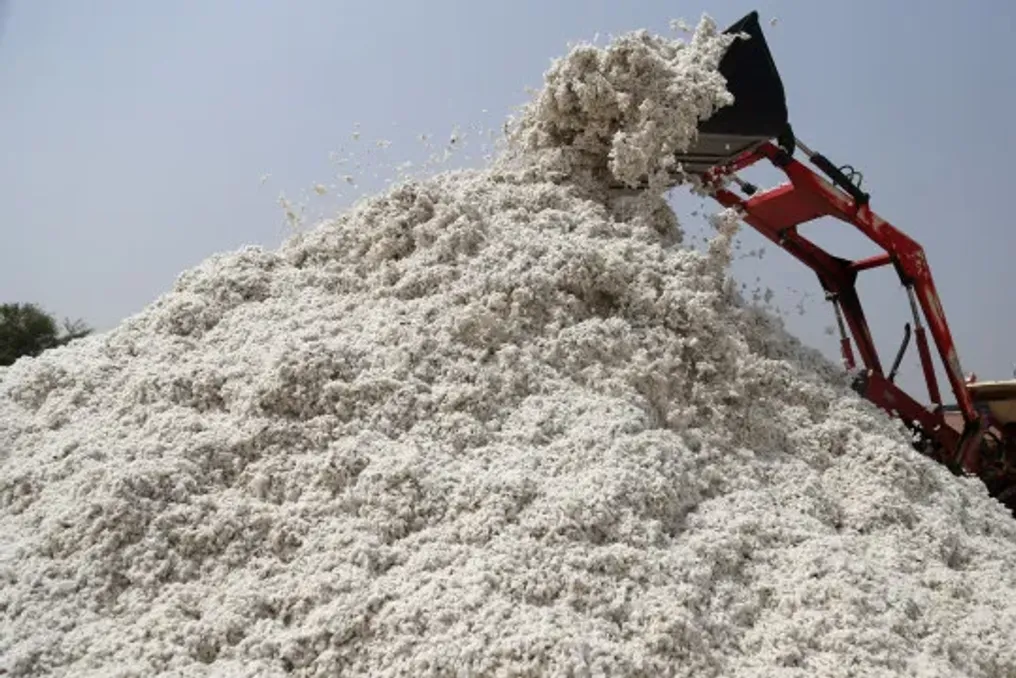
An official from the Mozambican Council of Ministers, Inosensio Impissa, reported after a meeting of the body in Maputo that the executive branch has approved the Cotton Cultivation Regulation.
According to Impissa, cotton farming has experienced a significant decline: production dropped from approximately 180 thousand tons in 2011 and 2012 to the current 20 thousand, representing about a 90% reduction and negatively affecting employment in the sector.
The government intends to reverse this trend, restore the production chain, and increase revenue from fiber and its by-products exports. The new regulation establishes rules for the development, production, commercialization, transportation, storage, unloading, export, and import of cotton, aiming to improve the regulatory environment, increase supply chain transparency, and stimulate private investment.
Thanks to the revision, the government expects to raise production to an average level of 60 thousand tons per year, which will bring about $65 million (56 million euros) in export revenues. An increase in tax revenues of over 105 million meticais (1.4 million euros) and the recovery of approximately 50% of lost jobs in the subsector are also projected.
'We expect to restore Mozambique's position in cotton production,' stated the representative, adding that the strategy includes protecting and increasing the value for producers and companies involved in the chain.
In addition to cotton regulation, the government also approved a new Fisheries Policy and Implementation Strategy for the period 2026–2045 during the same session. This policy aims to increase the production and value of the sector through sustainable resource management, aquaculture development, infrastructure improvement, as well as enhanced supervision and training.
Currently, fisheries account for about 0.5% of Mozambique's GDP, but according to Impissa, it could reach 1.5% during certain periods, which is a low figure relative to the country's potential. About 400 thousand families depend on this activity, which the government seeks to strengthen as a source of food, employment, income, and export earnings.
Impissa emphasized the need to create tools to enhance the value of the entire chain, which naturally requires training people working in the fishing industry. He also advocated for principles of sustainable fishing, better control, and greater oversight of resources and production.
Thus, the new policy is designed to increase the contribution of fisheries to the economy and ensure greater market access for consumption, combining domestic market production with the development of high-value products for export. The government reported that the document's development involved various stakeholders from the fishing industry.