Visionary women in the KwaZulu-Natal province are transforming the tourism industry by managing elite hotels, protecting wildlife, and organizing innovative tours, thereby redefining leadership concepts and stimulating South Africa's economic development.
Although women have long been the face of tourism—hosting guests, servicing rooms, and selling holidays—they rarely held leadership positions related to asset management, business ownership, contract negotiation, and decision-making. This is particularly relevant for KwaZulu-Natal, where tourism encompasses hospitality, conservation, aviation, transport, tour operations, events, and cultural enterprises.
Only during the winter season of 2026 were approximately 920,320 visitors registered in the province, contributing about 1.9 billion rand in tourist spending. Therefore, the more important question this Women's Month addresses is not the number of women working in tourism, but what exactly they are leading and how significantly they are beginning to influence the industry's economy.
Women Taking the Helm
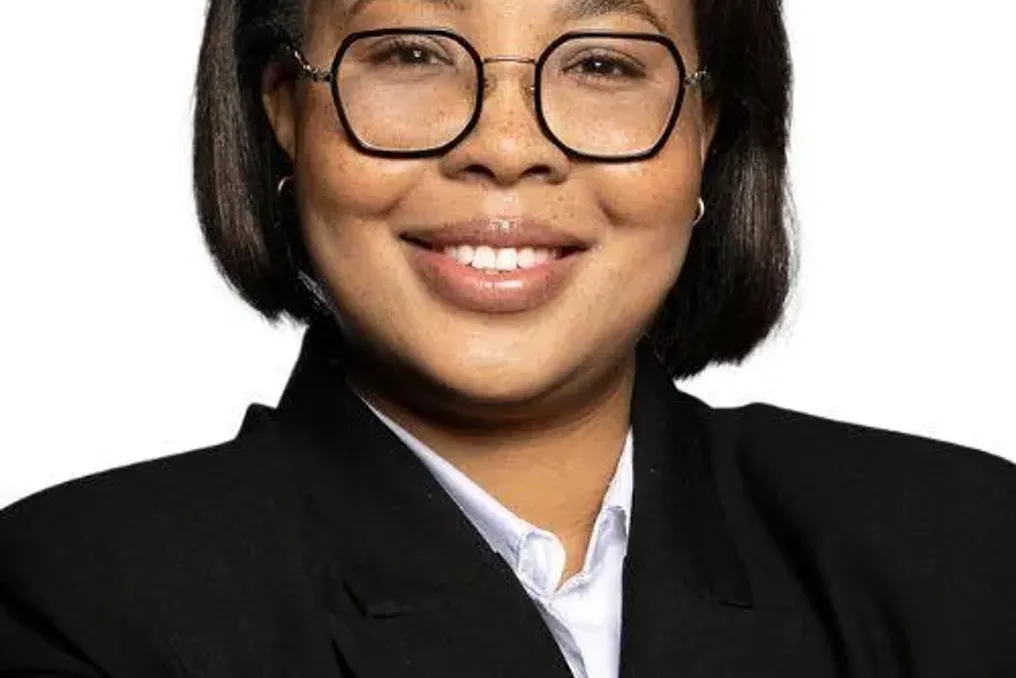
Philisive Gumede, who grew up in Umlazi, became the first Black African woman to lead one of the province's most famous tourist attractions—The Oyster Box. Gumede notes that achieving this position is both a personal milestone and a symbol of progress in the industry. Furthermore, she is responsible for the staff, standards, and reputation of one of KZN's flagship luxury establishments. Her view on luxury is that while beautiful surroundings can impress visitors, it is the warmth and care created by people that makes them return. She believes: 'If you care for your employees, they will take care of your guests.'
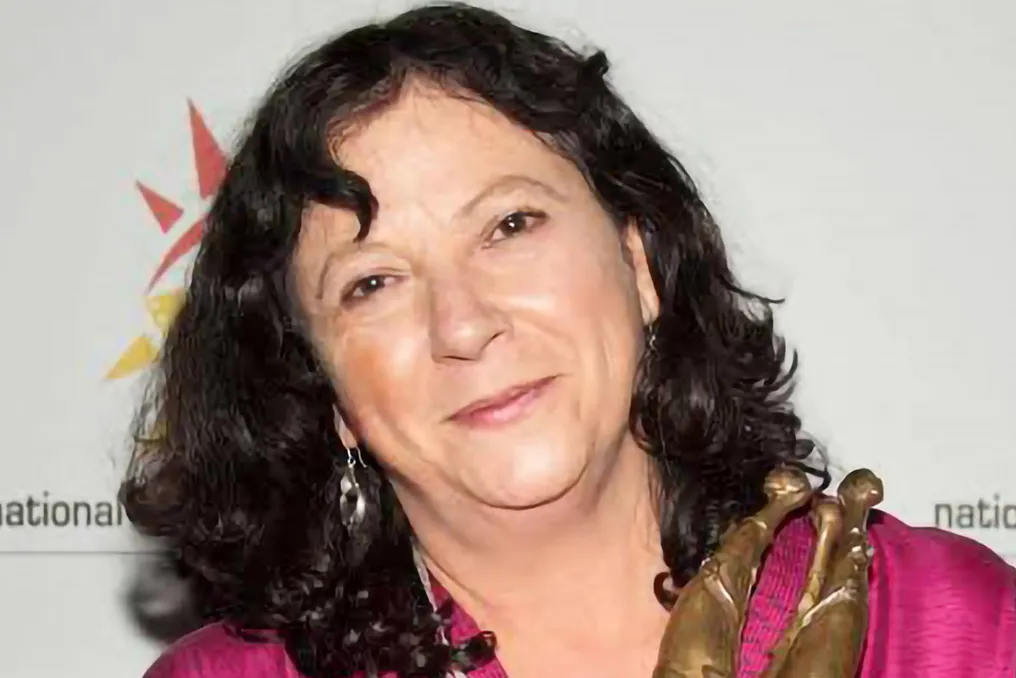
Further north, Deborah Nayker, General Manager of ANEW Hotel Ocean Reef Zinkwazi, combines people-oriented leadership with discipline and high standards. She believes that women bring valuable qualities to senior management, including emotional intelligence, communication skills, relationship management, and strategic thinking. Nayker emphasizes: 'The opportunities are vast! They await, and women must take the initiative and constantly strive.'
It is important to note that both women look beyond their own career growth. Gumede wishes her legacy to be associated with 'transformation, empowerment, and opportunity,' while Nayker wants to be remembered as a 'mentor and leader who enabled people to become the best versions of themselves.' However, a more complex question arises: what happens after the first woman breaks through to the top?
Interim CEO of KwaZulu-Natal Tourism and Film Authority, Sibusiso Gumbe, asserts that individual successes must lead to broader economic opportunities. He states that women are already demonstrating the ability to lead at all levels of the KwaZulu-Natal tourism industry, whether it is managing leading hotels, protecting natural resources, or creating their own tour operator and tourism businesses. Gumbe stresses that their duty is to ensure these successes do not remain isolated stories. It is necessary to deliberately expand access to skills, markets, business opportunities, and industry networks so that more women can occupy leadership and influential positions. For him, transformation must have a tangible economic outcome: an increase in women-owned tourism enterprises, a rise in women in managerial roles, and encouraging young women to view tourism as a field for business creation and job generation, rather than just a place to find employment.
Leadership in the Wild
To understand the scale of the tourism economy, one should move away from hotels and travel to the iMfolozi Game Reserve, where Khlengive Fortunat Nzuza works to protect part of the natural heritage upon which KZN's wildlife tourism depends. Her workplace is the wilderness. Her duties require deep immersion in the bush and, if necessary, helicopter flights, as conservation teams monitor the reserve and respond to incidents on the ground. Nzuza began her career as a field ranger in 2007, later gaining experience with the 'Big Five' in Hluhluwe, working in human-wildlife conflict management, and serving as an acting ranger. In 2023, she became the first Black female ranger in the sector in Masinde, taking responsibility during a period of intense pressure from rhino poachers. Today, she leads field rangers, assistants, and border observers, planning operations and monitoring the state of wildlife and the environment. In an environment traditionally dominated by men, she felt watched. She says: 'I realized that the best way to react was not to try to prove my rightness to people, but to focus on the quality execution of my work. I did not achieve this by accident.'
Nzuza also rejects the idea of separating conservation from tourism. She notes: 'Behind the beautiful wildlife experiences that tourists see, there is a huge amount of hard work daily to protect these natural spaces.'
From Visitors to Economic Opportunity
If Nzuza represents women protecting the tourism product, Sinethemba Zuma, director of SNN Zuma Tours, embodies women who own and sell this product, involving local communities in its economic value. Zuma built her offering around culture, authenticity, and local experiences. Then came a serious challenge: her business was tasked with organizing a tourism experience for the Wales rugby team during their visit to Durban before a match against the Springboks. She admits: 'It caused me anxiety for several days. I didn't think I could handle such a large team.'
However, she managed the task by incorporating local cuisine, visits to Umhlanga and battlefields, while collaborating with local businesses. This has significance beyond prestige. If international sporting events are to drive transformations, then visitor spending must reach local tour operators, transport companies, artisans, attractions, and communities. Zuma names barriers for women entrepreneurs as access to finance, underrepresentation, and skepticism regarding women's capabilities. Her response to those who doubt women is much shorter: 'Abafazi abadlali.'
Building Owners, Not Just Employees
Sisanda Nomusa Qube-Nisbet, director of SabiPax Travel, entered tourism almost accidentally. She shares that 'this industry chose me, not the other way around.' She joined SAA aiming to become a lawyer. When her legal career did not materialize, she created her own opportunity. SabiPax now serves public and private organizations, helping clients transition to digital and automated travel systems. Nisbet also demonstrates how targeted support for small and medium-sized enterprises can help. She reports that support from the KwaZulu-Natal Tourism and Film Authority provided equipment that increased productivity, and participation in Travel Indaba allowed SabiPax to establish international industry connections and understand changing market trends. However, her philosophy extends beyond developing one company. 'At SabiPax, we nurture entrepreneurs and producers, not consumers or employees.'
Sanelise Mangxaba is a communications and media specialist whose writings highlight the people, experiences, and stories shaping KwaZulu-Natal. It should be noted that her opinions do not necessarily reflect the viewpoint of IOL.