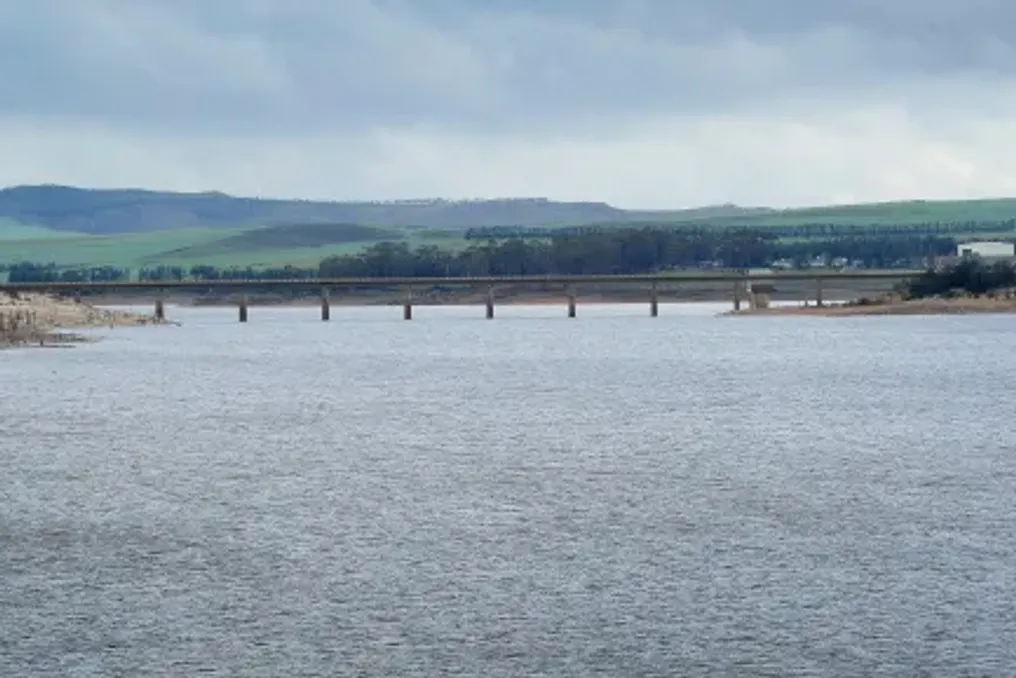
In the Western Cape, reservoir levels are 5% lower than in the same period last year, raising concerns about water supply during the summer and the risk of wildfires.
Despite heavy rains and floods that hit the province in May, the Western Cape is approaching summer with lower water levels. Furthermore, an intensification of El Niño is expected in the coming months, threatening a hotter summer, reduced rainfall, and increased pressure on water reserves.
Premier Alan Windey emphasized that the May floods should not give residents a false sense of security regarding the available water volume. The South African Weather Service has warned of the possibility of below-average rainfall.
Windey urged all residents to be mindful of water conservation. This warning came amid rising temperatures and the Western Cape's preparation for the wildfire season. A harsher winter increased the risk of ignitions, and climate modeling conducted by the Western Cape Government and the University of Cape Town indicates more frequent and intense droughts, as well as an increase in hot days.
The modeling also shows a decrease in autumn rainfall across most areas of the province. In the current fiscal year, the province has allocated over 65 million rand for water resilience measures. Municipalities will receive 40.5 million rand through the Water Resilience Grant for infrastructure needs and measures aimed at solving water supply and scarcity issues.
An additional 25.2 million rand has been allocated for groundwater management and response programs. MEC Anton Bredell from the Department of Local Government, Environmental Affairs and Planning stated that waiting until water reserves are under pressure before taking action would be too late. He noted that preparation cannot begin when the first major wildfire breaks out, when water supply systems are strained, or when a prolonged heatwave begins affecting vulnerable communities, as that would necessitate crisis response.