When using a computer or smartphone, a user is likely relying on open-source technologies that form the foundation of the global digital economy, covering operating systems, web servers, databases, and encryption protocols.
While the development of open-source technologies has traditionally been led by the US and Europe, China is actively promoting its own alternatives. The Chinese government has integrated open-source development into its national technology strategy. Chinese companies and institutions are participating in rethinking the processes of developing, licensing, and implementing these technologies.
China's open-source strategy has the potential to influence products and services used worldwide, especially as artificial intelligence becomes a ubiquitous technology. However, the success of these efforts will depend on building global trust, given that state-backed Chinese companies have previously been accused of intellectual property theft and pressure in joint ventures and licensing agreements.
Open-source technologies are increasingly becoming an arena of strategic rivalry between nations. An expert on China and an open-source researcher believes that countries that define the technical and legal standards for such technologies will gain a competitive advantage for decades to come.
China's long journey to open source
The open-source movement has taken various forms: from collaboration aimed at bypassing corporate monopolies to business strategies for accelerated product development. Thanks to this software, developers worldwide can reuse and improve common code.
Linux, which is the core software powering Android phones and much of the internet, is an open-source technology. Risc-V, a new alternative to Intel and ARM chips, and next-generation mobile network interfaces are also open.
China's initial steps in working with open source were aimed at creating technologies free from foreign control. The State Computer Science Institute developed Red Flag Linux as a replacement for Microsoft's Windows operating system, which the government considered expensive to maintain and vulnerable to foreign espionage. Later, the Chinese military university created Kylin—an operating system for the People's Liberation Army and other state organizations.
In recent years, Chinese tech firms have begun using open source as a way to circumvent sanctions and export controls. After the US government blacklisted the telecommunications giant Huawei due to ties with the Chinese military, Google revoked the company's access to licensed services and applications. Nevertheless, Huawei used the open-source Android to maintain its smartphone operating system, eventually developing an alternative called HarmonyOS Next and releasing its own open version, OpenHarmony.
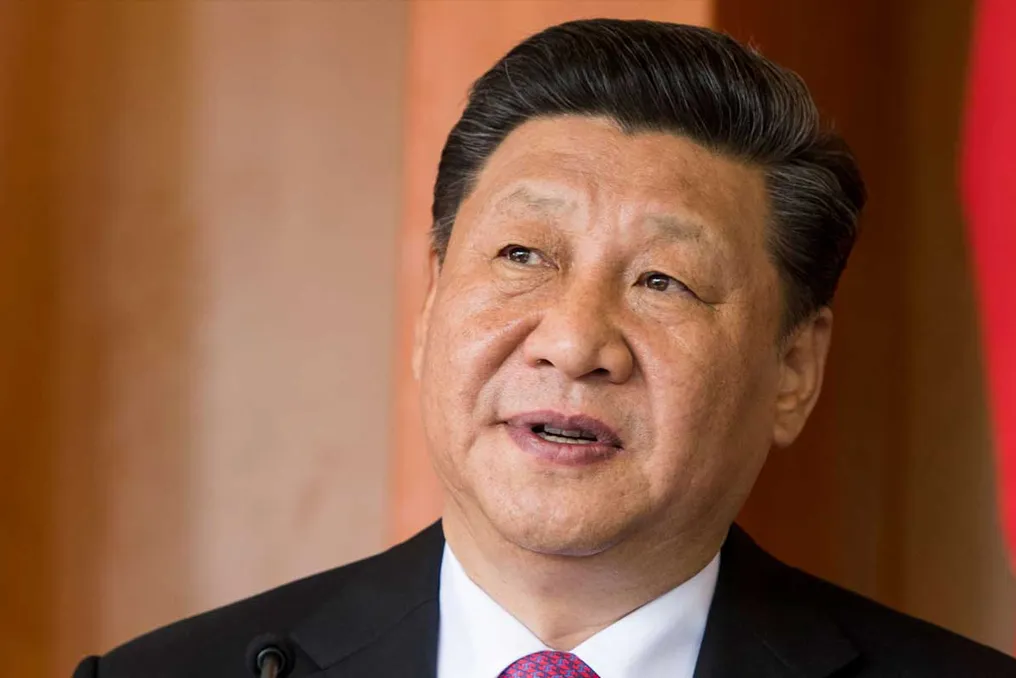
Today, Chinese leader Xi Jinping emphasizes the importance of scientific and technological self-reliance and self-improvement, known as keji zili ziqiang. The Ministry of Industry and Information Technology and other state bodies have supported domestic platforms, such as the state-directed OpenAtom Foundation, and Gitee—a Chinese alternative to the popular open-source software repository GitHub. Domestic open-source operating systems, such as openKylin and openEuler, play a key role in ensuring China's IT infrastructure.
China also positions itself as an indispensable player in setting global standards for open-source hardware. For example, work on Risc-V allows Chinese tech companies to reduce dependence on foreign intellectual property in semiconductors. Open hardware standards make Chinese companies less vulnerable to export controls and bans.
China's strategy of 'overtaking on the curve,' meaning closely following a leader and then surpassing it, appears to be bearing fruit. Chinese telecom companies, already leaders in 5G mobile network technology, are working with an international alliance to shape 6G, the next generation standard for mobile communications. The Open-RAN standard being developed by this alliance has complex implications for cybersecurity and strategic rivalry.
Open-source AI: With Chinese characteristics?
The competition in AI has moved beyond the export control of AI chips to the question of who will lead the development of open-source AI. Xi is expected to meet with US President Donald Trump when he visits the US in September.
Major Chinese AI models, such as Qwen, DeepSeek, Kimi, and GLM, typically have open weights rather than open source; this means the model's software and final parameters are available, but not the training data and methodology. AI companies often offer models in proprietary, open-weight, and smaller open-source versions.
The White House and Silicon Valley remain divided regarding the prospects of open-source AI. Anthropic and OpenAI have accused the creators of open-weight Chinese models of large-scale unauthorized distillation—a technique used to copy proprietary AI models. The Trump administration and US lawmakers have proposed restricting access to open-weight Chinese models, and some federal agencies and government bodies have already taken measures to prohibit employees and contractors from using DeepSeek for security reasons.
Users of Chinese AI face risks that are not always clear. Chinese open-weight models are designed to comply with government censorship and propaganda. Although Chinese models are often distributed under standard licenses such as MIT and Apache 2.0, some impose additional compliance obligations.
The license for Moonshot's Kimi K3 model, for instance, requires licensees exceeding certain revenue or user thresholds to 'noticeably' indicate the Kimi model name. The MiniMax M3 public license lists prohibited uses according to 'applicable laws or regulations,' raising questions about which jurisdictions apply.
Bilingual licenses, developed under the guidance of the Chinese government, provide greater access for Chinese users and more control to Chinese courts. These include the Mulan Permissive Software Licence, version 2.0, and the OpenAtom Model Licence, version 1.0. Both are written in English and Chinese, but the Chinese version takes precedence in cases of contradictory interpretation, especially in Chinese jurisdictions.
Open-source technologies have always been global
The US regulates AI through a set of federal and state laws. Internationally recognized frameworks may offer a better approach to governing open-source AI. Examples include the EU AI Act and multilateral initiatives such as the UNESCO Recommendation on the Ethics of Artificial Intelligence, the Hiroshima Process on AI, and ISO/IEC 42001 from the International Organization for Standardization and the International Electrotechnical Commission.
Open-source technologies can also benefit from such governance.