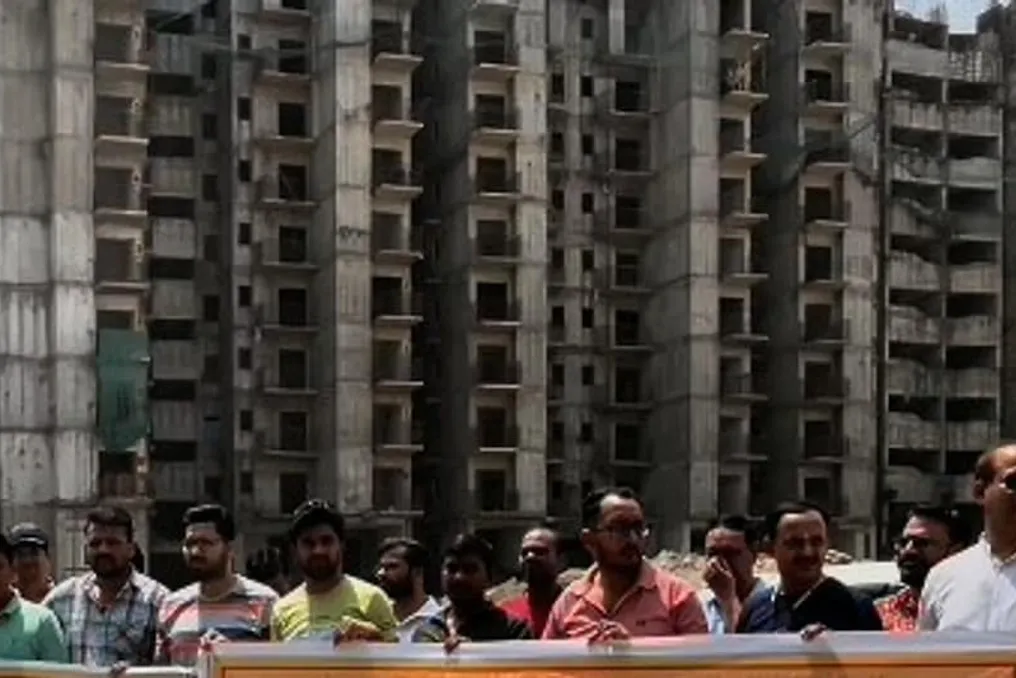
When purchasing housing, buyers often focus solely on the location, assessing the proximity to subways, schools, colleges, or markets. However, having a good neighborhood alone does not guarantee that the property will be a profitable investment or a safe home. Equally important are the legal status of the project, RERA registrations, the developer's track record, the total cost, and future amenities. Checking these five points before buying can help avoid costly mistakes.
Before purchasing a project that is still under construction, it is essential to verify its registration with RERA. According to the Real Estate Act of 2016, registration with RERA is mandatory for the relevant project, although the law provides for some exceptions. One should not rely solely on the RERA numbers listed in advertisements; instead, one must examine the project history on the official website of the respective state's RERA to cross-reference information about the project's status, promoter data, and available documents.
It is necessary to go beyond simply reviewing land and project paperwork. The greatest risk when buying real estate is related not only to the price but also to the title and documentation. Therefore, it is crucial to verify who owns the land, whether there are any debts or legal claims against it, and if all necessary permits are in place.
According to the Reserve Bank of India's guidelines on home loans, when purchasing old or resale housing, one should carefully check the clear ownership right, the title deed, and updated property tax documents. Banks also scrutinize the legal documentation related to the property before approving a mortgage loan. Therefore, a more reliable and prudent step is to conduct an independent legal title search and review of all necessary documents through a real estate lawyer, rather than relying solely on documents provided by the developer or real estate agent.
It is not enough to just look at the name of a large developer brand. It is important to assess how the developer handled previously built projects. Were the units handed over on time, did the quality meet standards, and were there complaints from buyers? A developer's good marketing campaign is no guarantee of future completion, so it is useful to visit at least two or three of their older projects and speak with residents.
When calculating the cost, one should not only consider the house price. In addition to the base price, additional expenses may arise when buying housing, such as stamp duty, registration fees, GST (if applicable), parking fees, club or amenity contributions, maintenance deposits, broker commissions, and interior finishing costs. If you are taking a mortgage loan, you may also incur loan processing fees, documentation charges, and other related payments. According to the Reserve Bank of India's consumer guidelines, homebuyers should compare the total cost of the loan, including fees, down payment, and other expenses, instead of focusing only on the monthly payment or interest rate. Thus, before buying housing, one must calculate the total cost, including all additional expenses, not just the price of the property itself.
Location matters, but it is not enough to know how far the subway or market is today. One should also analyze what changes are expected in the area over the next few years, such as plans for new subways or expressways, new employment centers, schools, and hospitals, the appearance of new projects nearby, the availability of water and electricity, the condition of roads and drainage, as well as traffic and pollution levels. Flood or inundation risk in the area should also be considered.
It is not necessary to take out a full mortgage that the bank is willing to provide. The Equated Monthly Installment (EMI) should be comfortable compared to your monthly income and other expenses.