Indian authorities raided an illegal operation in Mumbai where expiration dates and nutritional information were falsified on popular exported products from companies such as PepsiCo, Nestle, Coca-Cola, and Unilever. Goods worth nearly $80,000 USD were confiscated.
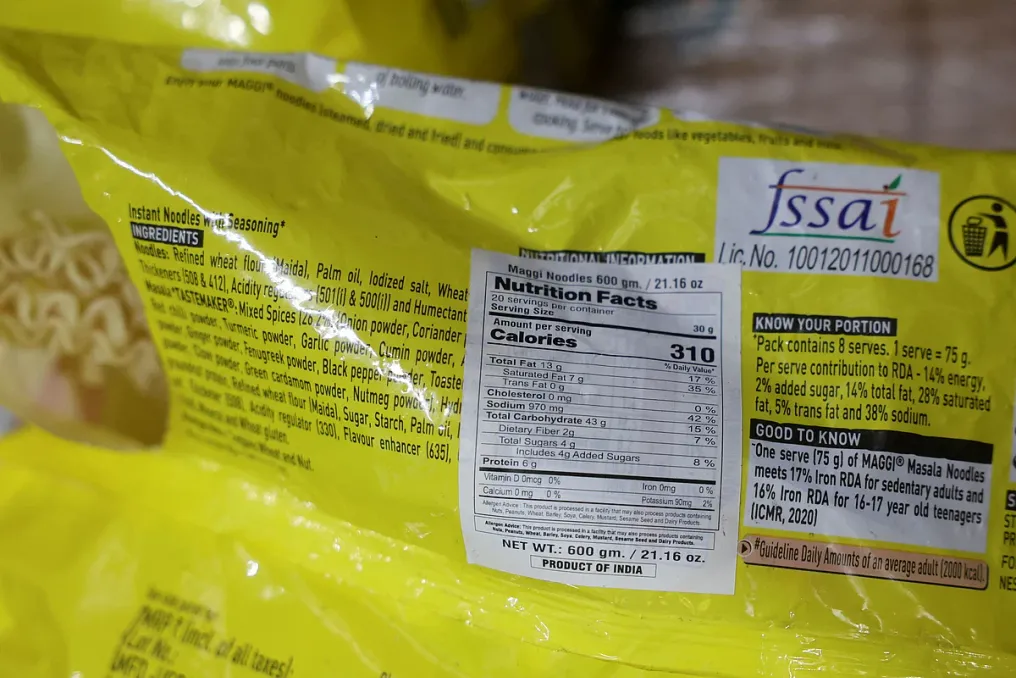
Reuters journalists gained exclusive access last week when food control department staff conducted a six-day investigation. A photographer documented chemicals used to remove original production dates and manufacturer labels, as well as equipment for printing and applying counterfeit inscriptions, along with numerous packages bearing labels for products like Lay's chips and Maggi noodles.
In the state of Maharashtra, whose capital is Mumbai, the campaign to ensure food safety has intensified. This initiative was led by Tukaram Munde, the new head of the State Food and Drug Administration, whose surprise inspections in elite clubs and restaurants have made him a known figure online and on television.
Tukaram Munde told Reuters on Tuesday that he was 'absolutely shocked by the scale. It looks like organized activity. It was done systematically,' commenting on the investigation into the illegal warehouse. The warehouse, located in the Navi Mumbai industrial zone, about 25 km from Mumbai International Airport, was managed by a private company, Sadhana Enterprises. According to the state media release and police report, the owner claimed they were carrying out this activity on behalf of 19 little-known exporters.
It was unclear for which countries the goods were intended, but Munde specified that the entire stock was intended for export. Reuters found that at least one reprinted label on a PepsiCo package was in English and French.
PepsiCo, Nestle, Unilever's division in India Hindustan Unilever, and Coca-Cola did not respond to Reuters' requests for comment. Contacts of the warehouse owners, Jayprakash Sanchatiram Singh and Jai Navrang Bahadur Singh, also remained unresponsive. It was not established whether any arrests had been made.
The closed warehouse contained four large rooms with tin roofs. Staff discovered about 5,000 cartons of consumer goods, including Lay's and Kurkure chips from PepsiCo, Maggi Masala Noodles from Nestle, Knorr Mushroom Soup, and Hellmann's mayonnaise from Unilever, as well as cans of Thums Up and Limca from Coca-Cola. Dates on many Kurkure and Maggi packages, as well as on Thums Up cans, had been removed.
In a dirty room, Reuters photographer Francis Mascarenhas saw a can of chemical solvent, which officials said was used to erase dates from packages. A police document states that the operator entered fake manufacturing and expiration dates using a stylus on a computer screen. Workers then used a machine set up on a metal table adorned with a small 'I love my India' sticker to supposedly print a new label onto packages and cans.
The police case does not accuse any global companies of wrongdoing, but Munde called for accountability across the entire supply chain. He stated that 'everyone must take this seriously. Companies are obliged to comply with requirements and ensure that branding, packaging, and sales are carried out in accordance with regulations.'
Oversight of food safety laws in India remains weak. Inspections often focus on counterfeits, especially dairy products, when demand for traditional Indian sweets rises during the festive season. Munde told Reuters that his team found some packages being reprinted with a future production date—October 2, 2026—inside the Mumbai warehouse.
Since labeling requirements and hygiene standards can vary across different foreign countries, Reuters found dozens of Maggi boxes in the warehouse; one sample had a fake nutrition label pasted over the packaging, making it ready for export under the description 'Product of India'. One Kurkure package from PepsiCo contained a bilingual nutrition label in English and French. This fake label reduced the amount of cereals in the ingredients by 10% and changed the calorie count and serving size, presumably to align the labels with foreign rules.