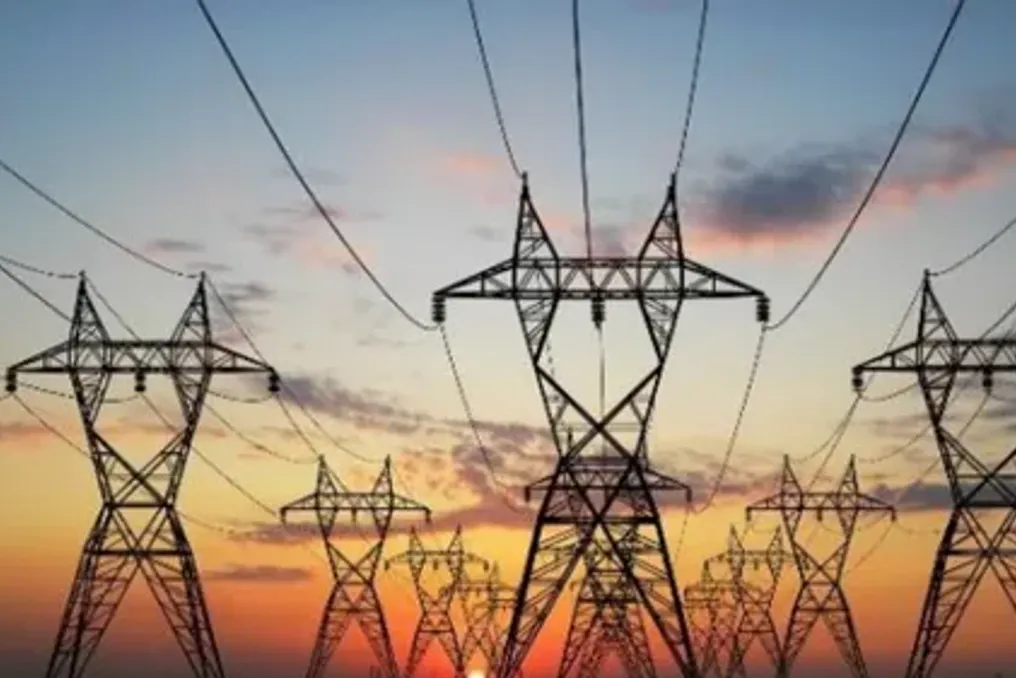
Eskom has warned that the growing debt of municipalities jeopardizes its financial stability, as unpaid municipal bills continue to increase despite the utility returning to profitability and improving its balance sheet.
The municipal energy company Eskom reported that without decisive action, the debt owed by municipalities could reach 358 billion rand by 2031. In recent years, the company appears to have overcome difficulties by ending constant power outages, returning to profitability, and strengthening its financial position.
On Monday, it was announced that Eskom recorded a profit for the second consecutive year, with the group's net profit after tax increasing to 30.3 billion rand for the year ending March 2026, compared to 14 billion rand in the previous year. Nevertheless, despite the improved financial situation, Eskom continues to face significant difficulties in collecting debts from municipalities and other customers.
Growth of Municipal Debt
The utility stated that by the end of March 2026, municipal debt increased by 17.9%, reaching 111.6 billion rand, and then rose to approximately 119 billion rand by June. Eskom warned that further accumulation of unpaid municipal bills could place increasing pressure on its financial sustainability, as the debt is projected to reach 358 billion rand by the 2031 fiscal year if decisive measures are not taken.
Previously, the publication IOL reported that Minister of Electricity and Energy Kgosientsho Ramokgopa also raised the alarm about the growing municipal debt to Eskom, noting that it increases by approximately 3 billion rand monthly.
Despite Eskom's efforts to alleviate the burden through measures such as interest rate reductions and structured payment plans, the company warned that persistent non-compliance poses a serious risk to its liquidity and overall operational sustainability.