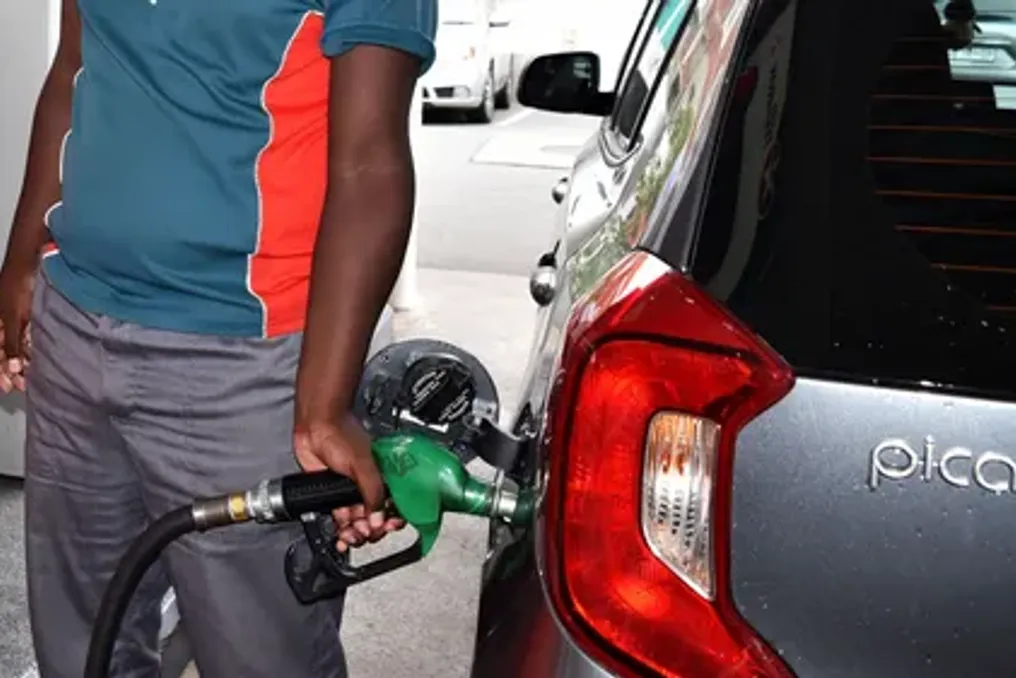
A significant increase in fuel prices is expected in South Africa starting September 2nd, which could raise the cost of a full tank by between 40 and 220 rand. These increases affect drivers who have already faced rising transport costs throughout the year due to oil price fluctuations caused by the war in the Middle East.
The Department of Mineral Resources and Energy announced that on September 2nd, the price of 500ppm diesel fuel will increase by 2.94 rand per liter, and for 50ppm, by 3.15 rand. As for petrol, drivers can expect an increase of 1.34 rand per liter for both grades.
At filling stations, this means that in Gauteng, 93 unleaded petrol will cost 26.76 rand per liter, and 95 will cost 26.92 rand; however, on the coast, the price for 95 will be 26.05 rand. The wholesale price for diesel fuel is set at 29.11 rand in Gauteng and 28.23 rand on the coast, with 50ppm costing 30.05 and 28.79 rand respectively.
How much will a full tank cost?
When filling an 80-liter pickup tank with 70 liters of diesel, the additional cost will be 205 rand on Thursday using 500ppm, or 220 rand when filling with the cleaner 50ppm. Drivers of small petrol-engine cars should expect an extra charge of 40 rand for a 30-liter fill-up and 53.60 rand for filling a 40-liter tank. Filling a larger vehicle or SUV with 50 or 60 liters will incur an surcharge of 67 to 80 rand.
Although the September increases bring fuel prices closer to recent highs, the price of 95 octane petrol on the coast (26.05 rand per liter) remains below the June peak of 27.19 rand, and the wholesale price of diesel fuel (28.23 rand) is still below the May high of 30.30 rand.
Due to oil price volatility over the last month, it is impossible to predict fuel price dynamics for October.
What future awaits us?
On Tuesday, oil prices rose due to renewed military clashes between the US and Iran, reigniting concerns about potential disruptions in crude oil supplies, especially through the strategically important Strait of Hormuz. Brent crude oil was around $91 a barrel in the morning, and US West Texas Intermediate (WTI) exceeded $86 after both benchmarks rose by more than 2% on Monday.
The outlook for the next month will largely depend on whether tensions escalate or if progress can be made in diplomatic efforts. Prolonged shipping disruptions through the Strait of Hormuz could lead to a significant rise in crude oil prices, with some analysts warning that prices could approach $100 a barrel, while a de-escalation of tensions and the resumption of normal transport could weaken the current supply risk premium.