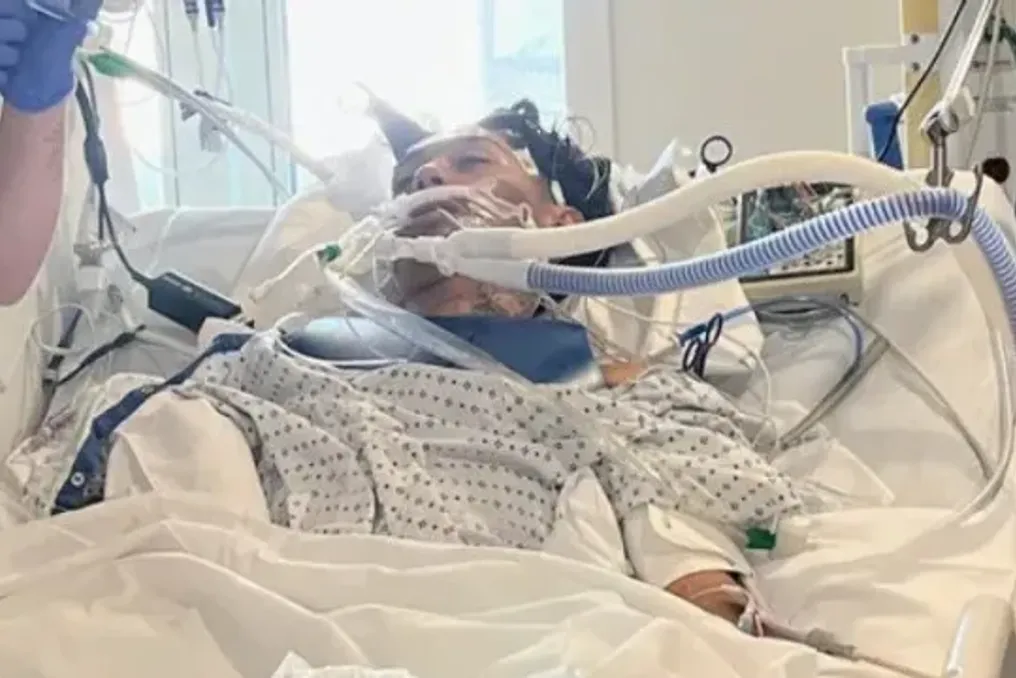
A young man named Moises Ponce Mendonza died in the United States after contracting an unusual bacterium that can be found in hot springs, rivers, and lakes. He died on Monday, August 31st, due to a rare condition caused by the bacterium known as 'brain-eating amoeba.'
The North Carolina Department of Health expressed its sorrow over the incident, sending condolences to the family, friends, and community affected by this loss. The young man was receiving hospital treatment for the illness. It is important to note that, upon entering the body, usually through the nose, this bacterium can reach the brain, causing an infection that can rapidly lead to coma and death.
According to the American health agency, these infections usually occur during the summer months, when water levels are low and temperatures are high, after swimming in freshwater bodies such as lakes and rivers. Initial signs include headaches, fever, nausea, and vomiting, rapidly progressing to a state of unconsciousness.
The young man's mother, whose age was not disclosed, reported being shocked upon discovering the clinical picture. Monica Mendonza stated that her son began showing malaise, leading her to take him to the hospital, where she received the news that he would need to be hospitalized. American authorities are investigating the origin of Moises's infection.
In the United States, fewer than ten people are infected by this bacterium annually. However, Moises's death occurred weeks after the passing of an eight-year-old girl in Louisiana, a victim of a similar infection.
Lilian was only 8 years old
In the American state of Louisiana, an eight-year-old girl died after contracting a rare infection while swimming in a lake near her residence. Lillian Smart, a resident of Ruston, passed away in August, one day after turning eight. Lillian's cause of death was contracting the bacterium 'Naegleria fowleri.'
The family shared on social media that the brain lesions were too severe for her body to recover from. They expressed deep despair, stating they did not know what to do. Lillian had been hospitalized for several days; her mother informed international media that she was taken to the hospital after presenting with high fevers and vision problems, being diagnosed with cerebral inflammation and kept in intensive care.
Days earlier, the Louisiana Department of Health had notified that a resident of the state had contracted the disease, indicating that the exposure likely occurred while swimming in Lake Claiborne, located approximately 48 kilometers northwest of Ruston.