Cape Town Wins Two African Tourism Awards and Advances to Global Final
Read more
Getaway
getaway.co.za

Cape Town Wins Two African Tourism Awards and Advances to Global Final

Cape Town has received two significant tourism awards, winning the titles of 'Leading City Destination in Africa' and 'Leading MICE Destination in Africa' at the World Travel Awards 2026 ceremony.

These awards were announced at the World Travel Awards Africa Gala Ceremony in Zanzibar on Friday, August 28. As a result, Cape Town has entered the ranks of regional winners who will participate in the Grand Final of the competition later this year.

According to Cape Town News, this recognition comes against the backdrop of tourism's continued substantial contribution to the city's economy. In 2025, Cape Town registered direct tourism spending of 24.5 billion rand.

In the 'City Destination' category, Cape Town competed with several well-known African destinations, including Durban, Johannesburg, Kigali, Luxor, Marrakech, Nairobi, and Sharm el-Sheikh.

The city has now won the title of 'Leading City Destination in Africa' for the sixth consecutive year, having previously received this award in 2021, 2022, 2023, 2024, and 2025.

The second award holds different significance. Cape Town was recognized as the 'Leading MICE Destination in Africa' after competing with Durban, Johannesburg, Kigali, and Nairobi. According to World Travel Awards, cited by Cape Town News, Durban held this title from 2017 to 2025, while Cape Town last won in this category in 2013.

This achievement draws attention not only to Cape Town as a holiday spot but also to its role in hosting business events, conferences, and meetings.

The latest data from Cape Town Tourism demonstrates how vital visitor spending is to the city. In 2025, tourism generated direct spending of 24.5 billion rand, and the added value of tourism reached 23 billion rand, accounting for 6.3% of Cape Town's economy.

This sector also supported 106,358 jobs, which is approximately 6.2% of employment in the city. International visitors made up a significant portion of this economic activity: in 2025, Cape Town welcomed 1.44 million foreign guests, who stayed an average of 9.5 nights and spent about 1390 rand per day, generating 19 billion rand in direct spending.

Domestic tourism also played an important role: 1.42 million domestic trips were recorded over the year, generating 5.5 billion rand in direct spending.

The MICE award highlights another facet of Cape Town's tourism economy. Business events bring together not only delegates and conference halls; according to Cape Town News, conference attendees can spend money in hotels, restaurants, and entertainment venues during their stay.

The CEO of Cape Town Tourism, Enver Dumini, noted that both awards reflect different strengths of the city's tourism economy. He added that some conference attendees may return to Cape Town later for leisure with family, friends, or colleagues.

Member of the Mayoral Committee for Economic Growth and Tourism, James Vos, also emphasized the value of business travelers, especially because they can visit on weekdays and outside traditional holiday periods. For a city whose tourism economy supports over 100,000 jobs, such a broad distribution of visitor activity adds another layer of importance to business tourism.

Cape Town's latest success is not the end of the competition. By winning two African categories, the city now qualifies for the World Travel Awards Grand Final, where regional winners from around the world will compete for global titles later this year. For now, these two awards add to Cape Town's growing history of recognition, while recent tourism figures demonstrate the sector's significant contribution to the city's economy.

Similar stories

Durban is viewed as a potential leader among coastal destinations for tourism and investment in Africa
Read more
iol.co.za

Durban is viewed as a potential leader among coastal destinations for tourism and investment in Africa

Tourism professional Brian Mpono believes that Durban has the potential to combine offerings in hospitality, lifestyle, entertainment, retail, and accommodation to stimulate tourism, attract investment, and create jobs.

Durban has gradually become one of Africa's most attractive coastal destinations as South Africa competes for tourism spending, investment, and global attention. Brian Mpono, an advocate for tourism and destination development, stated that the future of tourism lies in creating integrated destinations that combine hospitality, lifestyle, entertainment, retail, and lodging experiences.

According to Mpono, 'Durban has all the necessary ingredients to become one of the world's most desirable coastal destinations: climate, culture, accessibility, people, and natural beauty.' He noted that the opportunity lies in how the city packages and positions these assets for visitors and investors.

Private Sector Investment

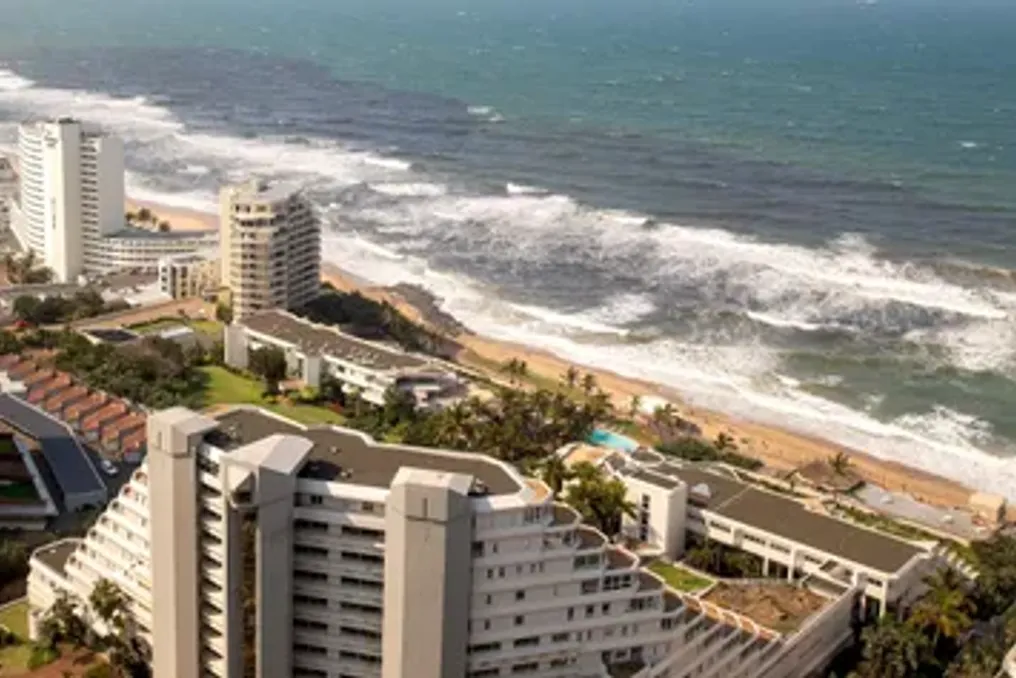
Over the last decade, private sector investments have contributed to the transformation of Durban's tourism landscape. Projects such as Oceans Umhlanga have demonstrated how hospitality, retail, accommodation, and lifestyle can be integrated to attract both local and international guests.

Mpono emphasized that tourism should increasingly be viewed as economic infrastructure rather than just a leisure sector. He stated: 'Tourism is not just about hotels and vacations. It is about jobs, investment, small business participation, aviation, housing construction, events, hospitality, and economic integration.'

He added that successful tourist destinations create opportunities that extend beyond their immediate sphere of influence.

Mpono, with experience in hospitality, tourism, and mixed-use development, advocated for tourism-based economic growth in both South Africa and across the African continent. His work focused on destination competitiveness, attracting investment, and the role of public-private partnerships in creating sustainable tourism ecosystems.

Defining Period

Looking ahead, Mpono reported that Durban is entering a defining period for its tourism development. He noted that the city has a chance to position itself not only as South Africa's playground but also as one of Africa's leading destinations for lifestyle, tourism, and investment.

Achieving this goal, in his opinion, will require continuous collaboration between government, investors, tourism authorities, and the private sector. Mpono believes that cities that recognize tourism as a strategy for economic growth, rather than just a sector, will be better prepared for the future.

Five African Food Markets Worth Visiting While Traveling
Read more
getaway.co.za

Five African Food Markets Worth Visiting While Traveling

Across Africa, there are markets that range from vast shopping centers to historic produce halls and evening squares transformed into open kitchens. These five markets are places worth planning a trip for.

For instance, in Kumasi, the scale of the Kejetia market demonstrates the significance of food trade to the Ashanti people's life. In Dakar, the Kermel market supplies fresh seafood and groceries to the city center, while Mercato in Addis Ababa offers insight into the rich culture of Ethiopian ingredients.

In Antananarivo, rice and highland produce predominate, whereas Marrakech offers one of the best gastronomic experiences after dark.

Kumasi: Kejetia Market

The Kejetia Market in Kumasi is not just a place for a quick visit, but rather a space where you can spend hours trying to grasp its essence. This enormous trading hub is one of the key commercial spaces of the Ashanti capital, where besides food, clothing, textiles, and household goods are sold. The trade here reflects the region's agricultural wealth.

Among the traded goods, you can find plantains, cassava, yams, corn, coconuts, tomatoes, and chili peppers, linking Kumasi to the farming areas outside the city. The market also serves as a dining spot; prepared local dishes and street food, including fufu, waakye, jollof rice, fried fish, and fried yam, are served in the eating areas.

Visitors are advised to come with an appetite, but also to set aside time just to observe the trade. Mountains of produce tell their own story: huge yams, bunches of plantains, sacks of cassava, and brightly colored peppers. Fufu with soup is one dish worth trying to get acquainted with the foundation of Ashanti cuisine. Kelewele—spicy fried plantain—is another excellent way to experience Ghanaian flavors, especially as a quick snack.

Kejetia reminds us that food markets are not always created as tourist attractions; primarily, it is an active market, and tourists are guests in an established commercial ecosystem. It is best suited for understanding the scale and energy of Ghanaian food trade.

Dakar: Kermel Market

In Dakar, food and the sea are inseparable. The Marche Kermel market, located in the Plateau district, provides an accessible introduction to this connection. This historic market dates back to the 19th century and occupies a characteristic domed building that was restored after a fire. Inside the stalls, fresh produce, meat, and seafood are sold, while vendors outside add color and movement.

Fish holds special significance. Depending on the season and supply, buyers can find species such as thiof, dorade, shrimp, and squid alongside fruits and vegetables. Although Kermel is often visited for its architecture and crafts, it is the food that makes it particularly interesting for travelers wishing to understand Dakar.

When browsing, pay attention not only to what catches the eye but also to what is being sold. Fresh fish, vegetables, fruits, spices, and other ingredients offer clues about the city's cuisine. Senegalese cuisine is built on combinations of rice, fish, vegetables, and intensely seasoned sauces, and Kermel allows one to see these ingredients before they turn into lunch or dinner. It is recommended to visit the market in the morning when it is freshest and liveliest, and to allow time for strolling rather than rushing between stalls. It is ideal for getting acquainted with seafood, fresh produce, and understanding Dakar's connection to the Atlantic.

Addis Ababa: Mercato

Mercato stretches through the Addis Ketema district and, according to modern sources for travelers in Ethiopia, is considered one of the largest open-air markets in Africa. Its narrow passages combine food, coffee, spices, textiles, and handicrafts, making it simultaneously a window into the daily life of Addis Ababa and a place for shopping.

For food-oriented travelers, the sections where ingredients take center stage are the most interesting. Coffee is obviously a starting point, as the coffee culture in Ethiopia is deeply rooted in daily life, and the market offers a chance to see how beans and other ingredients are bought and exchanged, not just in finished form in cafes.

Spices are also highly significant. One should look for colorful piles of dried ingredients and components of unique Ethiopian spice blends, such as berbere. Visiting Mercato is best done by viewing it as an ingredient safari. The size of the market also reflects the diversity of Ethiopia, gathering traders and goods from all over the country. It is ideal for getting acquainted with coffee, spices, and understanding the ingredients of Ethiopian cuisine.

Antananarivo: Analakely Market

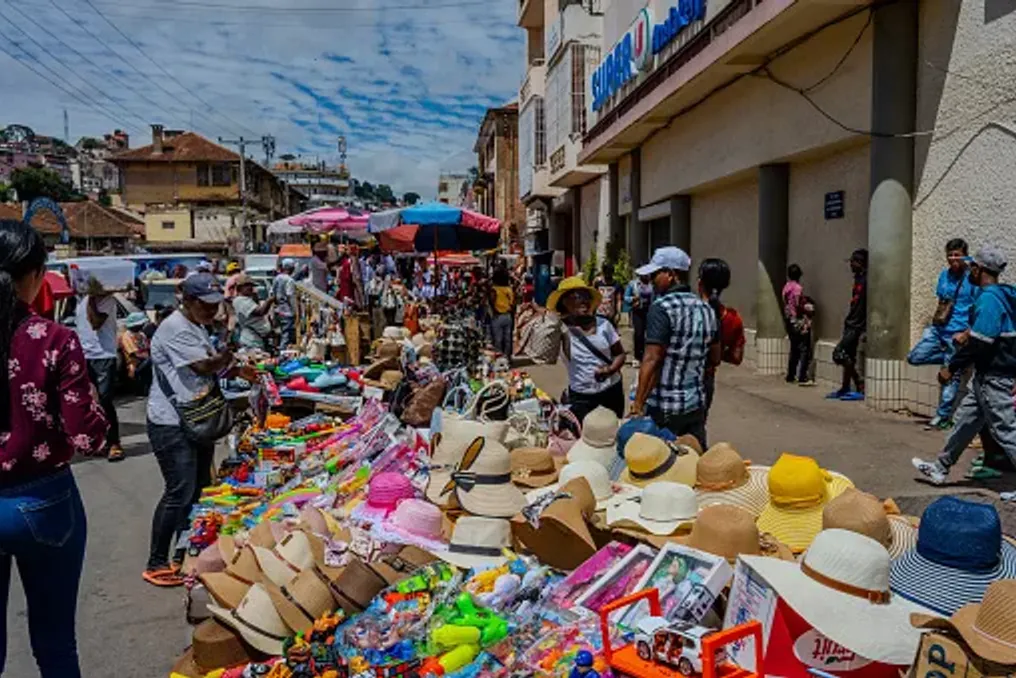
The Analakely Market in Antananarivo offers a more intimate market experience compared to the giant shopping hall of Kumasi or Addis Ababa, but it provides something equally valuable: the opportunity to closely examine what the residents of Madagascar's capital are actually buying and eating. The market is in the city center and has long been associated with food trade and daily commerce. Fresh fruits, vegetables, and rice remain central elements of this experience.

Historical accounts of Analakely describe farmers arriving early with produce from the surroundings, maintaining the market's role as a meeting place between rural producers and urban buyers. Rice is fundamental to Malagasy dietary culture, and its presence cannot be ignored. However, one should not stop there. Attention should be paid to local fruits and vegetables, dried fish, and ingredients used in everyday Malagasy cooking. If one desires something ready-made, one should look for snacks such as mofo gasy—rice flour pancakes traditionally made in small molds, or koba—a dense cake made from ingredients like rice flour, banana, and peanuts.

The market also reveals Madagascar's unusual position in the Indian Ocean. The island's food culture is shaped by African, Asian, Arab, and European influences, and this combination differs from many mainland African destinations. It is best suited for getting acquainted with rice, highland produce, and discovering Madagascar's unique culinary identity.

Marrakech: Jemaa el-Fna

Jemaa el-Fna in Marrakech is perhaps the most theatrical of the markets presented. During the day, this famous square is a venue for artists, juice sellers, and general activity. As evening approaches, food stalls appear, and the open space transforms into a massive outdoor dining area. This transformation is part of the experience itself.

Bonfires, smoke rising into the evening air, and communal tables filled with people under the lights—all create an atmosphere. The Moroccan National Tourism Office highlights the availability of freshly squeezed fruit juices, and the evening gastronomic scene of the square includes everything from grilled meat and harira to tagine and Moroccan sweets. This is a market worth visiting if you want food to feel like an event.

One can start with fresh orange or other fruit juice, and then look around before choosing a stall. Among the dishes associated with this square are grilled skewers, kefta, harira, and tagine. The best part is not necessarily finding one perfect dish, but observing how the square changes as Marrakech transitions from day to night, and how the food stalls turn the center of the medina into a giant open kitchen. It is ideal for experiencing Moroccan street food and the spectacle of dining in one of Africa's great public squares.

The appeal of African food markets lies in their ability to connect food with place. In Kejetia, yams and plantains tell the story of regional agriculture and trade. In Dakar, fish connects the market to the Atlantic. Mercato in Addis Ababa reveals the ingredients and trade networks behind Ethiopian cuisine, while Analakely introduces travelers to Madagascar's highland rice cuisine. And in Marrakech, food becomes theater. This is what makes these markets worth visiting. You go there not just to eat, but to immerse yourself in the part of the destination where food begins.

}, {
Cape Town tourism shows mixed results for the winter season: international flow grows, local spending decreases
Read more
getaway.co.za

Cape Town tourism shows mixed results for the winter season: international flow grows, local spending decreases

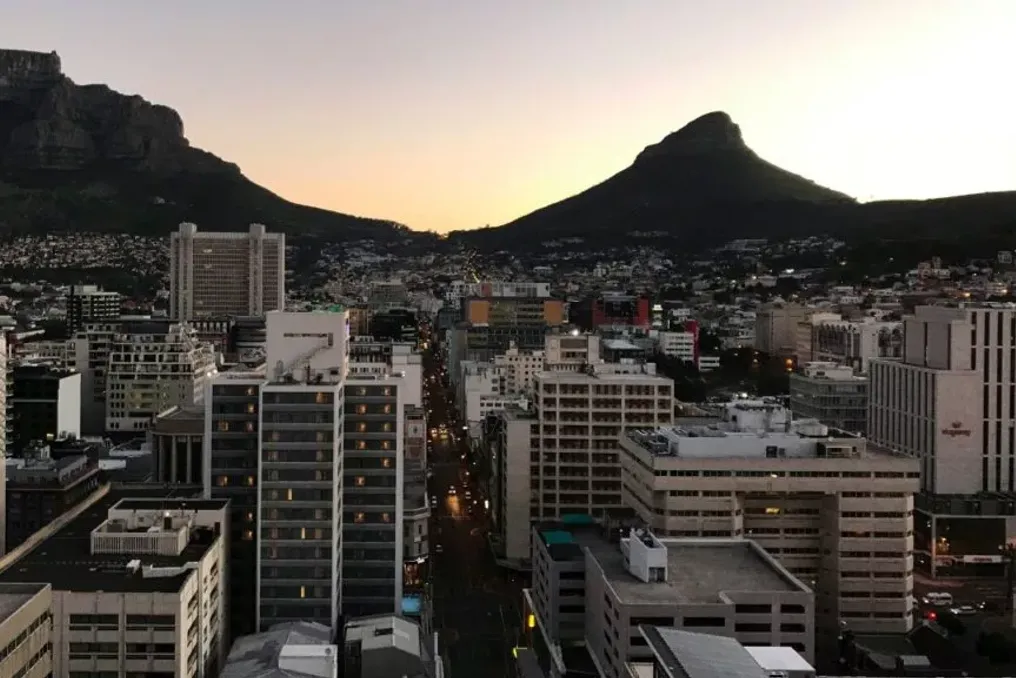
The tourism industry in Cape Town is entering the second half of winter, where there is a steady growth in international tourism, while local visitors are being cautious with their spending, reports Cape Town Etc.

According to the latest economic report from Cape Town Tourism, in 2025 the city welcomed 1.44 million international guests who brought in 19 billion rand in direct foreign tourist expenditure. Meanwhile, 1.42 million domestic overnight stays were recorded, and the average length of stay decreased from 5.2 to 4.4 nights.

A decline was also observed in domestic tourism: household spending decreased from 8 billion to 5.5 billion rand, which is linked to financial pressure on the population affecting travel decisions.

At the national level, data indicates that demand from international tourists remains strong during the winter period. The Department of Tourism reported that in June 2026, 823,365 foreign tourists arrived in South Africa, which is 9.8% more than in the same period last year.

Enver Dumini, CEO of Cape Town Tourism, noted that changing consumer behavior is shaping the domestic market. He stated: 'Even under pressure, the desire to travel has not disappeared. What has changed is how people define value.'

Cape Town's winter dynamics also reflect the city's growing appeal throughout the year. Wesgro reported a shift in the tourism structure to a 70/30 ratio throughout the year, indicating more active visitor activity outside the traditional summer peak.

Furthermore, travel decisions this winter are also influenced by the rising cost of aviation fuel, as two South African airlines recently introduced fuel surcharges, as previously reported by Cape Town Etc.

Popular