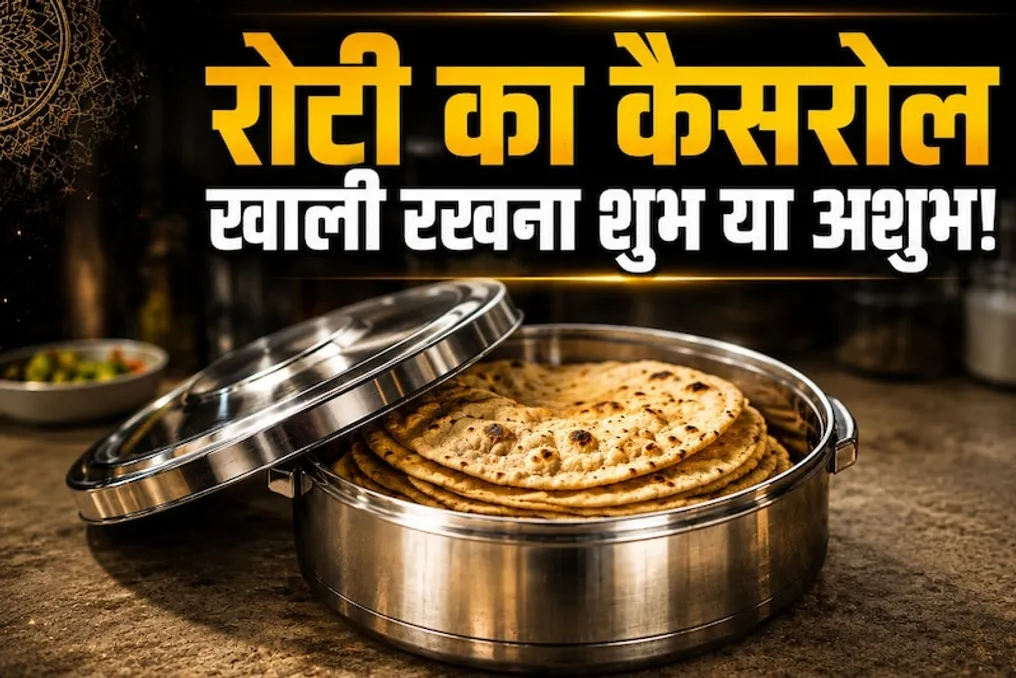
Vastu Rules for Bread: Should the Bread Box with Leftovers Be Left Empty at Night?
Read more
Aaj Tak
www.aajtak.in

Vastu Rules for Bread: Should the Bread Box with Leftovers Be Left Empty at Night?

In Indian culture and Vastu Shastra, the kitchen is viewed not merely as a place for cooking, but as a center of the home's well-being and health. The handling of every item and product in the kitchen directly influences the family's financial status and the level of positive or negative energy. It is often observed that after dinner, people either close the bread box (Hot Box) empty or leave food scraps inside.

This raises the question of whether it is auspicious according to scriptures and Vastu to leave the bread box completely empty at night. Below are Vastu rules related to boxes and food items that help maintain prosperity in the home and the grace of Goddess Annapurna.

Vastu Rules for Bread

According to Vastu, if the storage container for food in the kitchen remains completely empty, it can create a feeling of scarcity or lack in the home. It is believed that leaving even one or two pieces of bread (or a small fragment) in the box overnight, or thoroughly cleaning and neatly placing it, symbolizes abundance and prosperity.

Empty containers attract negative energy or the state of 'daridrya' (poverty), whereas a vessel associated with food promotes the preservation of abundance in the home.

Correct Vastu Rules for the Box at Night

If you do not want to store food scraps in the box overnight, you must thoroughly wash, dry, and close the box itself. It is important not to leave it dirty or with food residue.

As a Vastu remedy, if the box is dry and clean, some people place a few grains of rice or a small piece of dry bread in it before closing the lid so that the box is never considered completely empty.

It is also extremely important to pay attention to direction: storing the box or cooked food is always considered best if it is located in the southeast (Agni) or east sector of the kitchen.
Similar stories

How to make clean ragi (forage) at home to improve health and bake soft flatbreads
Read more
www.aajtak.in

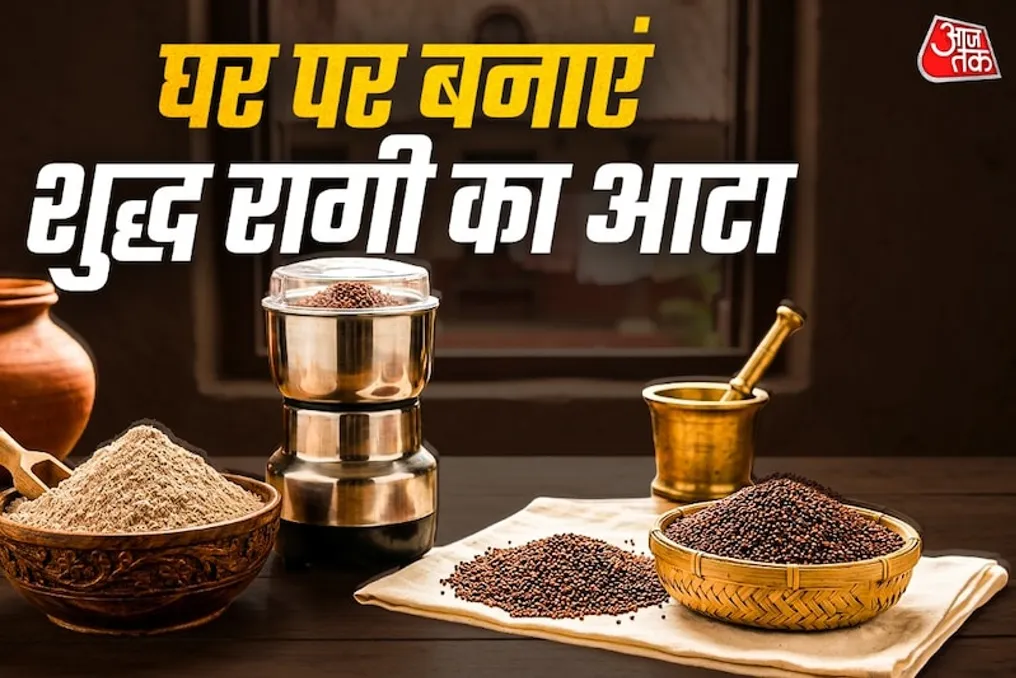
How to make clean ragi (forage) at home to improve health and bake soft flatbreads

Currently, many people are incorporating whole grain crops, or millets, into their diet instead of wheat flour, striving to maintain a healthy lifestyle. Ragi is one such beneficial millet used to make crackers, dosas, chila, and other dishes. Ragi is considered a nutrient-rich product containing components such as fiber, protein, and calcium.

Although ragi flour is easily available in stores, it can be made yourself with a little effort. This article presents a simple way to make ragi flour at home.

Shelf life of homemade ragi flour

It is best to prepare ragi flour in small batches so that it does not need to be stored for a long time. It is recommended to prepare a supply sufficient for about 15–20 days of use, and to make a new batch fresh if necessary.

Why is ragi flatbread special?

Ragi possesses nutrients such as calcium and fiber. Thanks to the fiber, the feeling of fullness lasts for a long time. Furthermore, ragi is a gluten-free grain, allowing people who avoid wheat to include it in their diet.

Ragi flatbreads can be an excellent choice for those who wish to add millets to their diet. However, the method of consumption and the amount of any grain may vary depending on individual needs.

Homemade Recipe for Fried Karela with Peanuts: A Crispy Dish with Spices
Read more
www.aajtak.in

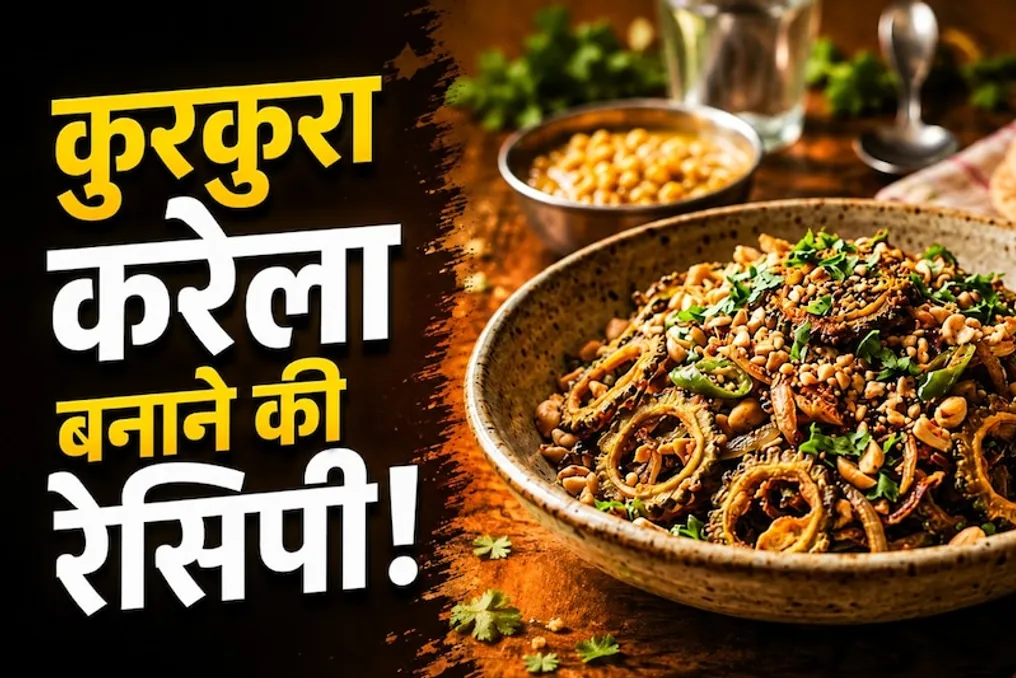
Homemade Recipe for Fried Karela with Peanuts: A Crispy Dish with Spices

If you dislike the bitterness of karela, try making homemade fried karela with peanuts. This crispy snack, prepared with peanuts, spices, and onions, has an incredible taste. It is easy to serve with bread, paratha, or dal-chawal.

Karela is considered healthy, but its bitter taste repels many people. If people in your household grimace at the mention of karela, it is worth trying the peanut karela option. After tasting this crispy and delicious dish, your family members will become fans and ask for it to be made again.

The addition of the crunchy flavor of peanuts and spices makes the taste of karela very interesting. This dish can be served with roti, paratha, or dal-chawal. Below is the method for preparing karela with peanuts at home.

First, the karela should be thoroughly washed and cut into thin round slices. To reduce the bitterness, the sliced karela should be salted and left for about 15–20 minutes. Then, the karela must be gently squeezed and rinsed with clean water, followed by thorough drying.

Oil is heated in a frying pan. When the oil is hot, cumin seeds are added and allowed to sizzle. After this, the chopped onion and green pepper are fried until lightly golden. Then, the sliced karela is added to the pan and cooked over medium heat, stirring occasionally so that it fries well.

When the karela starts to become slightly crispy, turmeric, coriander powder, red pepper, and salt are added, and mixed. Next, crushed fried peanuts are added to the karela. All ingredients are thoroughly mixed and simmered for another 2–3 minutes. Finally, amchur powder is added. If necessary to balance the bitterness, a little palm can be added.

The finished fried karela with peanuts is served hot with roti, paratha, or dal-chawal. The peanuts give the dish a light crunch, and amchur and spices enhance the flavor.

According to Vastu, certain places should be avoided for eating to prevent financial losses
Read more
www.aajtak.in

According to Vastu, certain places should be avoided for eating to prevent financial losses

In astrological advice (Vastu), it is believed that food serves not only to satisfy hunger but is also connected to the well-being and prosperity of the home. According to these beliefs, when eating, one must consider the location and surrounding environment. Often, people eat on the bed, near the door, or in any available spot in the house for convenience. However, according to Vastu principles, there are specific places where eating should be excluded, as this can negatively affect the positive energy in the home.

Do not eat while sitting on the bed

Nowadays, many people are accustomed to eating while sitting on the bed, especially while watching TV or using a mobile phone. From a Vastu perspective, this behavior is not considered auspicious. It is believed that this can lead to an increase in negative influences in the home and disrupt peace of mind. Furthermore, dropping food scraps on the bedding can cause cleanliness issues.

Avoid eating near the main entrance

The main entrance to the house is the primary area of movement. According to Vastu teachings, eating near this entrance is not recommended. There is a belief that eating near the main entrance can negatively affect the positive energy of the home and create obstacles to prosperity and well-being. Therefore, choosing a quiet and clean place for a meal in the house is preferred.

Do not eat in front of or near the bathroom

Vastu Shastra pays special attention to maintaining cleanliness and a positive atmosphere in the dining area. Therefore, it is advised to refrain from eating directly in front of the bathroom or in its immediate vicinity. According to Vastu, eating in such places can disrupt the positive environment in the home.

Do not consume food from broken or dirty dishes

Food should always be served in clean and intact dishes. In Vastu, broken dishes are not considered auspicious. It is believed that eating from such dishes can negatively affect harmony and positivity in the home. Consequently, if a plate, glass, or bowl is damaged, it should be isolated instead of being used.

Do not eat in dark or dimly lit places

When eating, adequate lighting and cleanliness around the area are considered necessary. According to Vastu, one should avoid eating in the dark or with very weak light. It is best to eat where there is sufficient natural or artificial light, and where the surroundings are clean.

Where is it considered auspicious to eat?

According to traditional Vastu concepts, one should choose a clean and calm place for eating. Among the existing Vastu principles, it is considered auspicious to eat facing east or north. Traditionally, it is also considered a good option to sit on the floor. Even if you are eating at a dining table, you can observe rules regarding the direction of sitting.

Popular