Prices for milk, CNG, and taxis rise in Mumbai: Residents face increased cost of living
Read more
Aaj Tak
www.aajtak.in

Prices for milk, CNG, and taxis rise in Mumbai: Residents face increased cost of living

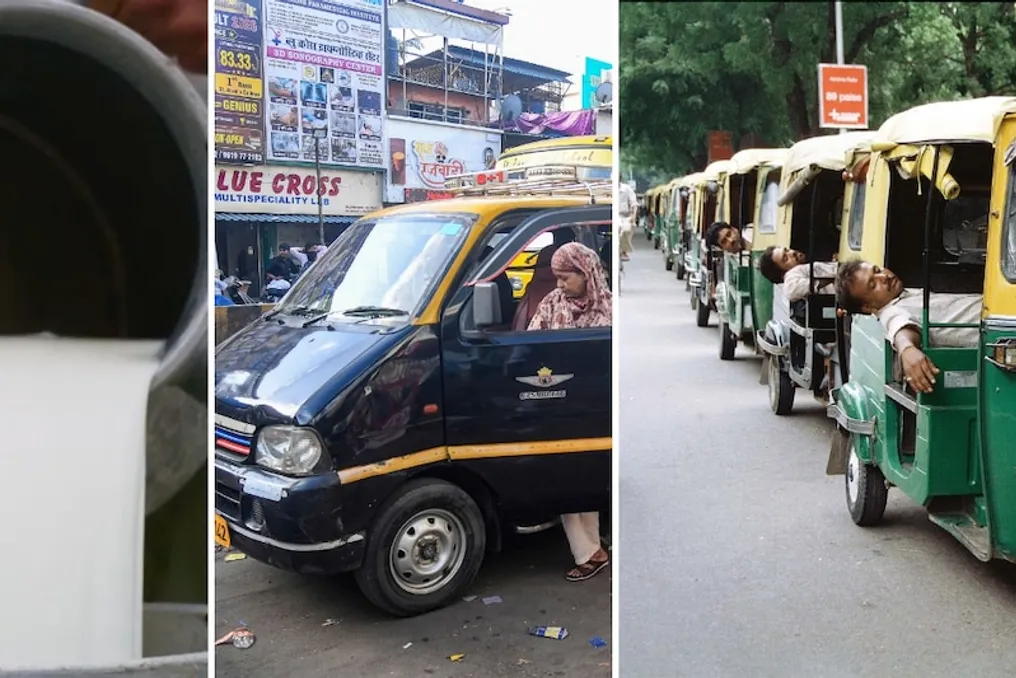
Residents of Mumbai, the capital of Maharashtra state, have faced rising prices since September 1st, as the cost of three essential goods and services—milk, CNG-PNG, and taxi/auto fares—has simultaneously increased.

The gas company Mahanagar Gas (MGL) announced an increase in prices for CNG and domestic PNG. The cost of CNG in Mumbai and surrounding areas was raised by 2 rupees per kilogram, reaching 88 rupees per kilogram. The price of domestic PNG also rose by 1 rupee per cubic meter. These changes took effect at midnight on September 1st.

MGL explained the price hike due to rising global gas prices caused by tensions in the Middle East, which forces the company to import spot RLNG at higher costs. This increase will affect approximately 1.3 million vehicle owners using CNG, as well as about 3 million domestic PNG consumers. It is worth noting that previously, Indraprastha Gas in Delhi raised the CNG price by 3.89 rupees, bringing it to 86.98 rupees per kilogram.

The second blow was dealt to passengers. The Mumbai Metropolitan Region Transport Authority (MMRTA) approved an increase in auto and taxi fares. The minimum fare for autos is now 27 rupees, and for black and yellow taxis, it is 33 rupees. The per-kilometer fare for taxis increased from 20.66 rupees to 21.90 rupees, and for autos from 17.14 rupees to 18.22 rupees per kilometer. For the first 1.5 kilometers, a taxi ride will now cost 33 rupees instead of the previous 31.

Drivers have been given until the end of November to calibrate their meters according to the new rates, or they face a fine. Over four hundred thousand autos and more than 50 thousand taxis operate in Mumbai. This increase occurred about 18 months after the last fare hike in February 2025.

The third and most noticeable increase concerned milk. Starting today, the price of farm milk has risen by 9 rupees per liter, becoming 102 rupees instead of the previous 93 rupees. This new price will be valid until February 28th of next year. Milk producers stated that this decision was made because the prices of animal feed, such as grain, tur, and chana, have increased by 25 percent.

Similar stories

Cow milk price in Mumbai increased by 9 rupees, reaching over 100 rupees
Read more
www.aajtak.in

Cow milk price in Mumbai increased by 9 rupees, reaching over 100 rupees

In Mumbai, ahead of the festive season, residents faced another price hike. Starting September 1st, the price of cow's milk increased by 9 rupees per liter. Cow's milk in Mumbai will now cost 102 rupees per liter instead of the previous 93 rupees. These new rates will be effective from September 1, 2026, to February 28, 2027.

Milk producers attribute this to rising costs in the dairy business recently. Price increases have been observed for both the animals and their feed and hay, which has directly impacted the cost of milk production.

According to producers, the prices for livestock feed, such as grain, tur kudni, and chana kudni, have risen by up to 25 percent. Furthermore, bran and other necessary ingredients have become more expensive. Under these conditions, selling milk at old prices has become difficult for them.

Due to this increase in costs, producers decided to raise the price by 9 rupees per liter, starting September 1st. The new price for cow's milk is 102 rupees per liter. This increase will directly affect the budgets of families who purchase cow's milk daily in Mumbai, especially during the approaching festive season when milk consumption may rise.

The Chief Officer for Food and Medicine of Maharashtra, Tukaram Munde, conducted extensive inspections across the state to combat milk adulteration and synthetic milk networks. Under the leadership of FDA Commissioner Tukaram Munde, milk collection centers, chilling plants, and local suppliers were inspected.

During these inspections, over 1.6 lakh liters of milk with additives and about 50 crore rupees worth of unsafe food products were seized. Illegal establishments where synthetic milk was prepared using skimmed dry milk, water, emulsifier, caustic soda, and industrial chemicals were also discovered.

Many establishments were sealed, cases were filed, and culprits were arrested. Additionally, an order was issued banning the production of analogue and non-dairy products across the entire state. The FDA is also developing a digital tracking system for milk supplies to identify abnormal growth in milk collection data and livestock numbers.

Global demand for copper rises and buyers are willing to pay more due to supply shortage
Read more
www.aajtak.in

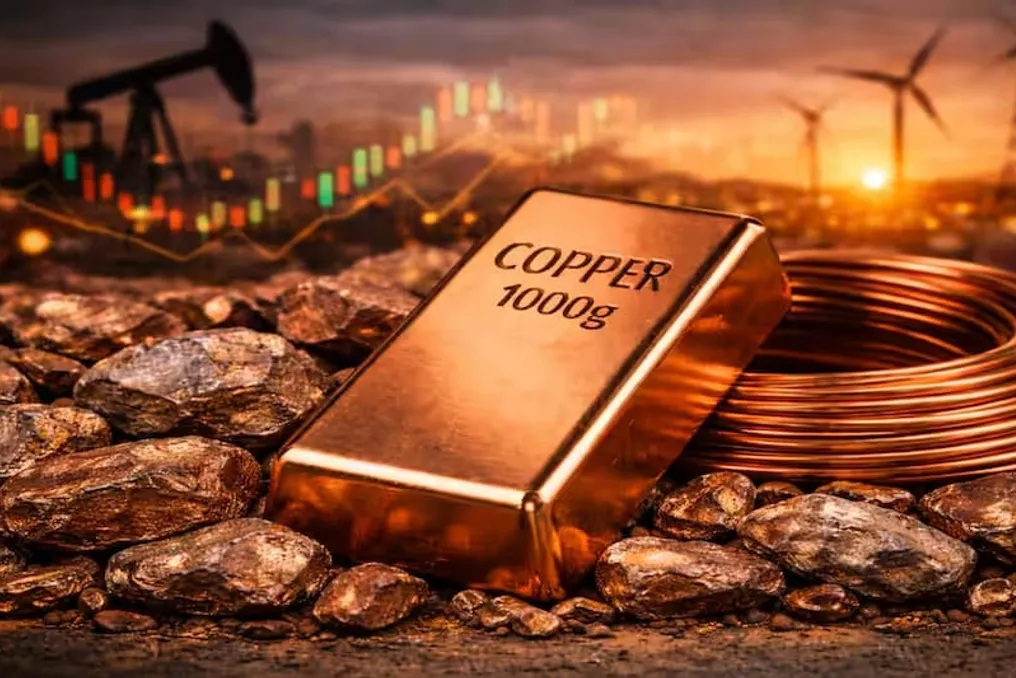
Global demand for copper rises and buyers are willing to pay more due to supply shortage

The price of copper in India reached approximately 1400 Indian rupees per kilogram in August 2026. Copper contracts on the Multi Commodity Exchange India Limited (MCX) were also trading at this level on August 17. In addition to rising prices, buyers have to pay a premium for immediate receipt of raw materials.

The main reason cited for the acceleration of copper prices is the growing gap between global demand and supply. The need for copper is rapidly increasing in sectors such as power grids, electric vehicles, renewable energy, and data centers. This has caused prices on the London Metal Exchange (LME) to remain close to record levels. Due to its critical role in electrification processes, copper is now referred to as the 'new oil' of the energy transition.

Increasing the supply of copper presents a serious challenge against the backdrop of growing demand. The process of launching new copper mines is long and expensive. Finding deposits, obtaining government permits, developing the mine, and establishing necessary infrastructure to the market can take years. Furthermore, the quality of ore in many older mines is constantly declining. Operational difficulties and rising production costs are also putting pressure on copper supply.

According to S&P Global forecasts, global demand for copper, which was about 28 million tons in 2025, could rise to 42 million tons by 2040, representing an expected demand increase of approximately 50%. The main drivers of this growth are electrification, renewable energy, electric vehicles, and AI-related data centers. All these areas require large volumes of copper for electricity generation, transmission, and use.

The shortage of copper concentrates demonstrates the key picture of current supply pressure. Concentrates are processed to obtain refined copper. When concentrate availability decreases, smelters are forced to compete for limited raw materials, which increases their costs and puts pressure on margins. On the other hand, it may be cheaper for a producer to buy copper with a premium than to halt production. This is why a situation arises in the market where a premium must be paid for immediate delivery.

To understand the global cost of copper, the price on the London Metal Exchange (LME) is important. However, the actual cost for the buyer is determined not only by the LME price. Cable manufacturers, transformer producers, and other industrial buyers must secure physical supply of copper according to their needs. While the LME price indicates the global cost of copper, the premium added to it reflects the additional costs the market incurs to deliver the metal to the required location.

In India, domestic production of refined copper is insufficient to meet demand. Consequently, import-dependent buyers are more susceptible to the impact of the global supply crisis, shipping disruptions, and fluctuations in international prices.

According to ICAI, copper demand in India grew by 9.3% in the fiscal year 25, reaching 1.878 million tons. The construction and building sector provided the largest demand, accounting for about 25%. This was followed by industrial applications at 19% and infrastructure at 17%. This shows that a significant portion of copper demand in India still comes from traditional industries.

Nevertheless, new sources of copper demand are actively emerging. During fiscal year 25, consumption in areas such as solar and wind energy, electric vehicles, energy storage, and electrolyzers increased by 32%. However, according to ICAI data, the share of these new technologies in total copper demand is only 4.6%. Therefore, the largest buyers currently remain traditional sectors, but energy transition-related industries may play a larger role in future demand growth.

The rise in copper prices affects not only metal traders. It also impacts the costs of companies producing cables, transformers, and electrical equipment. Companies that have to pay an extra premium for urgent copper purchases may feel the pressure particularly strongly. India's import dependency exacerbates this risk. Global supply shortages, shipping disruptions, or sharp changes in international prices can directly affect the costs of local buyers.

The central question in the history of copper is how quickly supply can be increased amid growing global demand. If new mines and production capacities cannot keep pace with demand rates, price pressure will persist. This issue is especially important for India, as the country's electricity demand is also growing. In May 2026, peak electricity demand in India reached a record 270.8 GW. Consequently, further growth in copper demand is expected in the coming years due to the expansion of electrification, renewable energy, electric vehicles, and infrastructure.

Popular