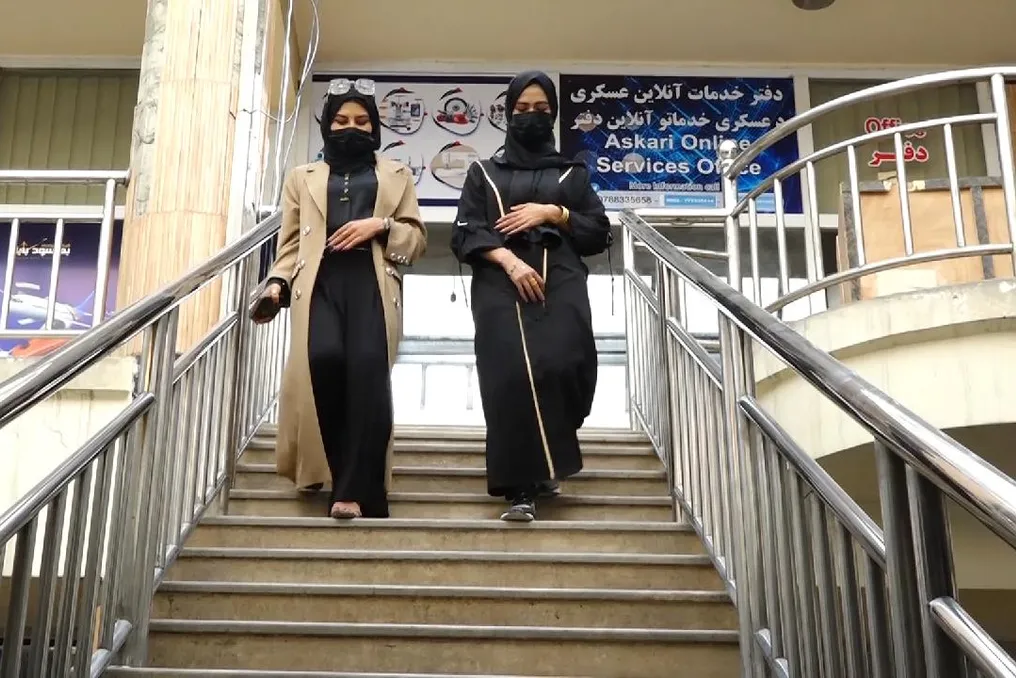
Five years after the Taliban returned to power, Kabul residents continue to live in conditions of economic instability and significantly reduced access to education. Although daily life in the Afghan capital continues, workers and young professionals face serious problems due to new restrictions.
In the bustling Shahr-e-Nau district of Kabul, ordinary life continues amidst major economic changes. Mohammad Sabir Sahibzada, a 44-year-old tailor, runs a workshop that employs 20 local residents. He recalled the day the government changed: 'Around noon, under bright daylight, all shops closed. Rumors spread that the government had collapsed.' However, over time, they adapted to the new situation, and business even improved compared to before.
Despite Sabir being able to keep his business, he faces a deep personal problem at home: his three daughters cannot continue their education after middle school. He noted: 'It is a heavy feeling when you can do nothing for your children and loved ones.'
Sabir's 14-year-old son, Mehdi, an eighth-grade student, helps his father after school. Mehdi shared: 'I love my father. He has always supported me. I like his company when I am here with him.'
Elsewhere in the capital, Nazanin Mohamadi, a former student of Kabul University, found a new profession by opening an independent consulting firm providing visa and digital marketing services, despite restrictions that narrowed opportunities for women. Mohamadi said: 'When I was in my second year at Kabul University, we were told that universities were closed. I never gave up on my dreams and ambitions, so I chose a new path and opened my own office.'
Five years of Taliban rule remain a defining reality for millions of Afghans in Kabul, as they struggle to make a living, access education, and maintain their dignity.