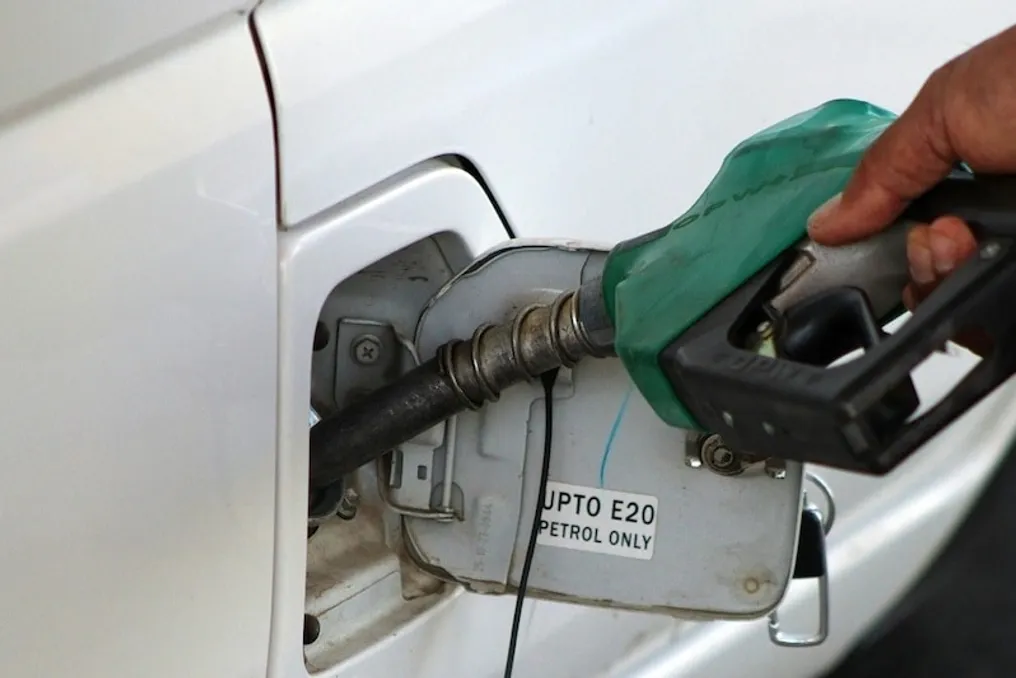
Although the impact of the E20 ethanol blend on vehicles is difficult to assess, this fuel has changed the market dynamics. Growing concerns about E20 have significantly affected consumer choice and car purchasing approaches, leading to a sudden increase in demand for vehicles with other types of fuels and a significant rise in waiting times.
Recently, users have complained about reduced fuel efficiency and increased operating costs after switching to E20 gasoline. These fuel reports are also influencing the automotive market, prompting many customers to switch from gasoline engines to Compressed Natural Gas (CNG) or Electric Vehicles (EVs). The increased demand for these types of vehicles is putting additional strain on supply chains.
The situation is that the demand for some popular EV and CNG models is so high that companies cannot meet all customer requests. Waiting times for some models have reached six months.
The Mahindra XEV 9S is currently attracting the most interest, with customers having to wait about six months. Furthermore, waiting times for some variants of the Tata Punch EV and Tata Tiago EV range from 18 to 24 weeks. In the electric scooter segment, the highest demand is observed for the TVS iQube, where some versions require a wait of four to five months.
On the other hand, the average waiting time for the Maruti Brezza is about two months. Notably, approximately 70% of all orders for the Brezza are exclusively for the turbo-petrol engine and CNG versions, indicating a rapid shift by customers towards alternative powertrains instead of relying solely on petrol models. Typically, waiting times increase during the festive season, but customers are having to wait for their desired cars even before the holidays begin.
According to an industry analysis conducted by Yes Securities in August, the number of inquiries and orders for EV and CNG vehicles has grown by more than 30%. This figure exceeds double the volume compared to traditional Internal Combustion Engine (ICE) vehicles. This shift is observed against the backdrop of growing negative perception of E20 upon the launch of new models, according to the report. If five months ago the maximum waiting time was about one month, it has now increased to three to four months.
There is an interesting trend in the EV market: customers have to wait longer for cheaper options. For example, waiting times for some variants of the Tata Punch EV Smart 30 and Tata Tiago EV are from 18 to 24 weeks. As for the Tata Sierra EV, delivering the Pure 65 version requires 12 to 15 weeks. Conversely, for some more expensive Sierra EV versions, the waiting time is only four to six weeks.
This means that if a customer is willing to spend more money, they can receive the desired vehicle much sooner. High demand for budget options is increasing supply pressure on companies.
The surge in demand for EV and CNG vehicles is occurring during the start of the country's largest purchasing period during the holiday season. In Kerala, passenger car sales during the Onam festival increased by more than 20% compared to the previous year. This will be followed by major festivals such as Ganesh Chaturthi, Navratri, Dussehra, and Diwali, when people typically purchase cars actively.