A survey conducted by the British platform Carwow indicated that almost half of drivers in the UK are willing to consider buying a vehicle of Chinese origin. This percentage rose to 49%, compared to 35% recorded in January of this year and 24% in the first half of 2023, representing double the number in three years.
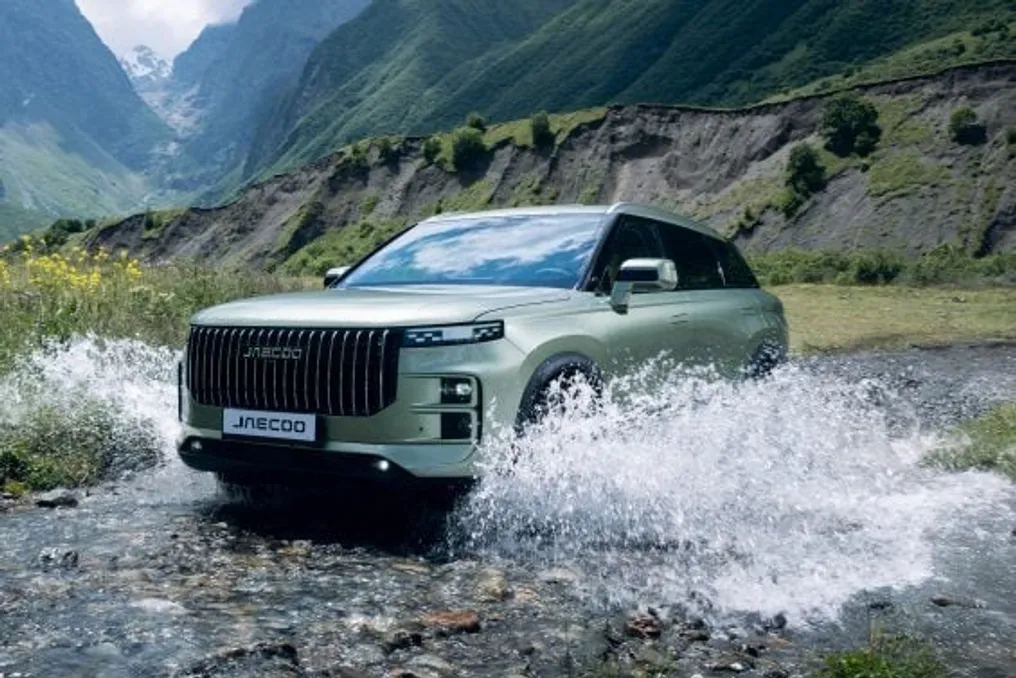
A notable aspect of the investigation was not just the purchase intention, but also the level of brand recognition. BYD leads this metric with 71% awareness among respondents. There were significant increases in other brands: Chery rose from 16% to 50% in just one year, Jaecoo grew from 46% to 69%, and Omoda jumped from 42% to 57%. Xpeng also showed growth, increasing from 8% in 2023 to 20%.
Additionally, the proportion of people who did not recognize any listed Chinese brand decreased from 23% to 16%. This growing interest is already translating into concrete sales, as Chinese brands accounted for approximately 15% of new car registrations in the UK during the first half of 2026. In July, for the first time, all five models that grew the most in volume in the country were Chinese launches, which was unprecedented, as there was always at least one traditional model in that group before. The Jaecoo 7 was included in the list of best-selling vehicles of the year.
On the Carwow portal itself, searches for Chinese models increased by 119% in the first seven months of 2026 compared to the same period in 2025. Chinese brands now account for 30% of sales leads generated by the platform, up from 14%. Product offerings have also expanded, with over 50 configurable Chinese models on the site, compared to 30 available in August of the previous year.
Among the reasons consumers cite for considering a Chinese brand, 42% point to cost-benefit as the main factor, an increase from the 36% observed in the first half. Another 24% expect to find offers with competitive discounts. Ben Carter, Director of Customers, Marketing, and Media at Carwow, emphasizes that the motivation goes beyond just price, suggesting that buyers are trading brand loyalty for access to greater technology and more vehicle for the same value.
The use of leasing also influences the decision, with one in five drivers on the platform, or 21%, using this system, and those who acquire electric vehicles are almost twice as likely to opt for this modality. The regulatory environment also plays a role. While the European Union imposes additional tariffs on electric vehicles produced in China, the UK does not apply such tariffs. On July 2nd, the British government announced that the Trade Remedies Authority had not yet started an investigation into Chinese EVs, although it continued to evaluate possible actions.
It is important to note that the survey involved 1,270 Carwow users and only measures the willingness to consider a purchase, not the final decision. Steve Walker of Auto Express compares this movement to what happened decades ago with Japanese and Korean brands in the country, where Chinese brands compete through cost-benefit, putting pressure on established manufacturers.