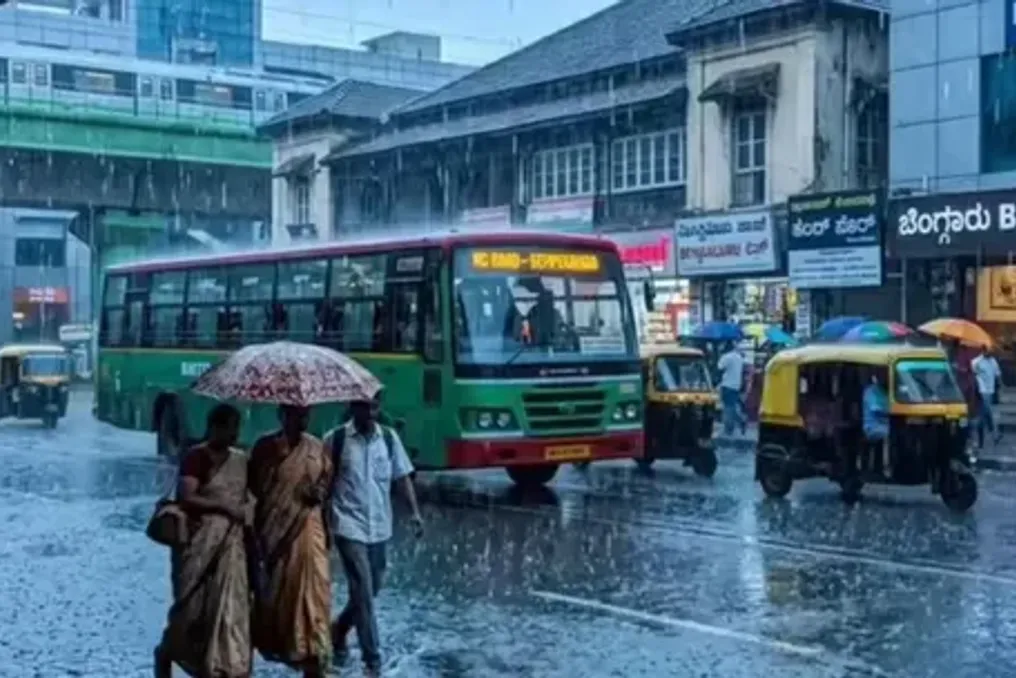
Although Bengaluru is known for its pleasant climate and comes alive during the monsoons, shortly after the rainy season, the city faces falling groundwater levels, drying wells, and increasing dependence on expensive water tankers.
The problem is not a lack of rainfall, but the city's inability to collect and retain the water received. A significant portion of the rain that falls on roofs and streets enters the storm drains and leaves the city, while widespread construction prevents water from seeping into the soil.
Subajit Mukherji, known as the 'Water Hero of India,' asserts that the solution lies in more localized measures. Through the RWH India Helpline, he has already provided free consultations to over 200 households on simple methods for rainwater harvesting and replenishing groundwater reserves. He emphasizes: 'Rain that falls on your roof should not end up on the road. Every roof must become a source of water.'
Turn Your Roof into a Water Source
One of the simplest ways to conserve rainwater is by collecting it from rooftops. Instead of letting the rain run into drains, homes can direct it through pipes into storage tanks or underground infiltration pits. The collected water can then be used for watering, cleaning, washing vehicles, or flushing toilets, thereby reducing the need for purified drinking water.
Even residential homes without space for large tanks can direct rainwater into infiltration pits, allowing it to slowly seep into the ground and replenish the aquifers that feed wells and boreholes. Mukherji calls this approach 'Mera Chhat, Mera Pani' (My Roof, My Water), urging every family to retain the rain falling on their own roof instead of sending it to the storm sewer.
Help Replenish the City's Groundwater Reserves
Bengaluru heavily relies on groundwater, but years of rapid urbanization have hindered the penetration of rainwater into the soil. Mukherji promotes a simple solution through the Jal Tara project, under which volunteers build infiltration pits approximately 3 by 3 feet and 4 feet deep. Rainwater from roofs is directed into these pits, allowing it to slowly filter underground instead of running down the streets.
He believes that Bengaluru needs to think on a larger scale. 'Ideally, there should be an infiltration pit every 100 meters in the city. This way, we prevent rainwater from becoming floodwater and help replenish groundwater.'
Simple infiltration pits or soak pits filled with layers of gravel and sand are relatively inexpensive and can significantly improve groundwater levels over time. Several areas in Bengaluru have reported improved well conditions after implementing soak pits over several monsoon seasons.
Let the Earth Breathe
Concrete is one of the main causes of rainwater loss. Driveways, courtyards, and gardens completely paved with cement leave no alternative outlet for rainwater except the drains. Mukherji notes: 'One of the most important things we can do is create more spaces with soil. We need to remove unnecessary concrete so the earth can absorb water again.'
Replacing hard surfaces with gravel, grass pavers, or permeable blocks allows rainwater to naturally seep into the soil. Even leaving small patches of open ground around houses can have a significant effect.
Schools Can Become Water Conservation Champions
Mukherji extends his message beyond individual homes. As part of the Jal Tara project, his team installs infiltration pits in schools and colleges across Bengaluru free of charge. They provide necessary materials, including filtration units, and hope to install systems in 100 schools.
The idea is simple: every school that collects rainwater becomes both a learning space and a demonstration site, inspiring students and communities to adopt similar solutions.
Create Greener Spaces That Absorb Rain
A small rain garden is another effective solution. These shallow, planted areas temporarily collect rainwater, allowing it to slowly soak into the ground instead of contributing to flooding. In addition to reducing surface runoff, rain gardens support butterflies, birds, and beneficial insects.
Planting native trees can also have an equally long-term impact. Their deep roots improve soil structure, reduce runoff, and naturally replenish groundwater.
Let Every Drop Matter
Rainwater does not always need to be stored for drinking. Simple rainwater collection barrels connected to roof pipes can collect water for watering plants, washing balconies, or cleaning open areas.
Before each monsoon season, households should also clean gutters and downpipes so that rainwater harvesting systems function effectively and the stored water remains clean.
Small Actions, Big Impact
While individual efforts are important, housing complexes and resident associations can multiply the impact by installing community rainwater harvesting systems, soak pits, and common storage tanks. If thousands of homes across Bengaluru collected even a portion of the rain falling on their roofs annually, the city could reduce the strain on groundwater by using water that currently contributes to flooding.
For Mukherji, the answer is not complicated. 'We must stop rainwater from reaching the main road first,' he says. Bengaluru's water crisis is not just about a lack of rain, but about ensuring that every drop matters.
This monsoon season serves as a reminder that every roof can become a reservoir, every garden can help replenish the earth, and every household has the opportunity to turn today's rain into tomorrow's water security. Those interested in learning more about rainwater harvesting or volunteering can contact Mukherji at waterheroofindia@gmail.com, where he offers guidance on simple, low-cost ways to save rainwater.