Gamescom 2026 concluded its activities this Sunday, the 30th, after six days dedicated to announcements, demonstrations, and industry meetings in Cologne, Germany. The edition achieved a significant milestone by receiving 368 thousand visitors from 131 countries, joining over 36 thousand industry professionals. In total, 1,743 companies from 66 nations were present at the event, which fully occupied the available area, totaling approximately 233 thousand square meters.
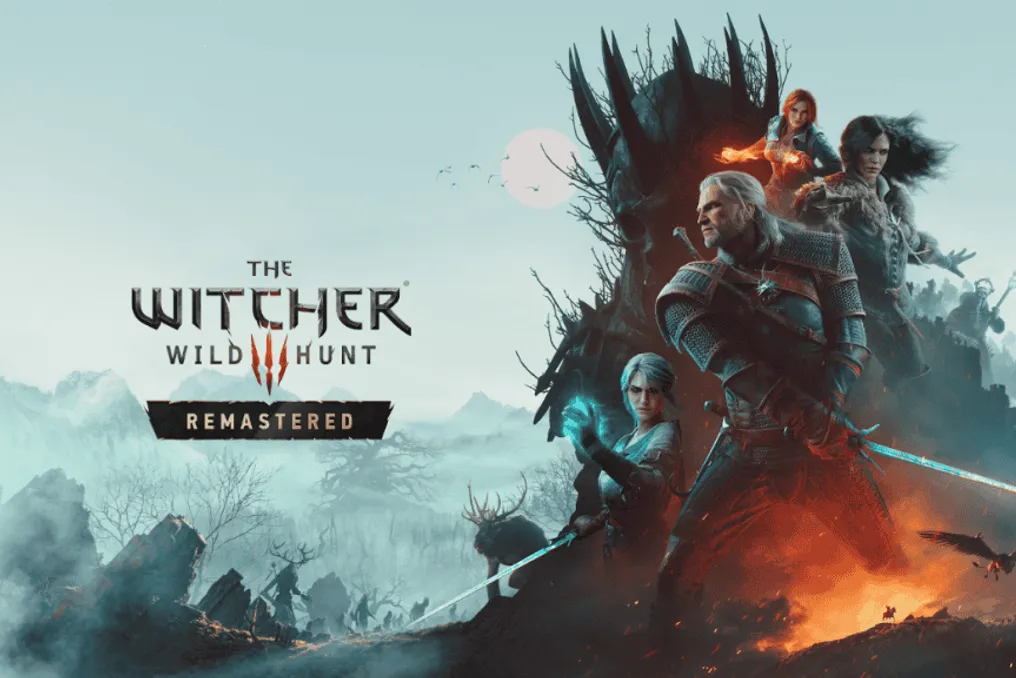
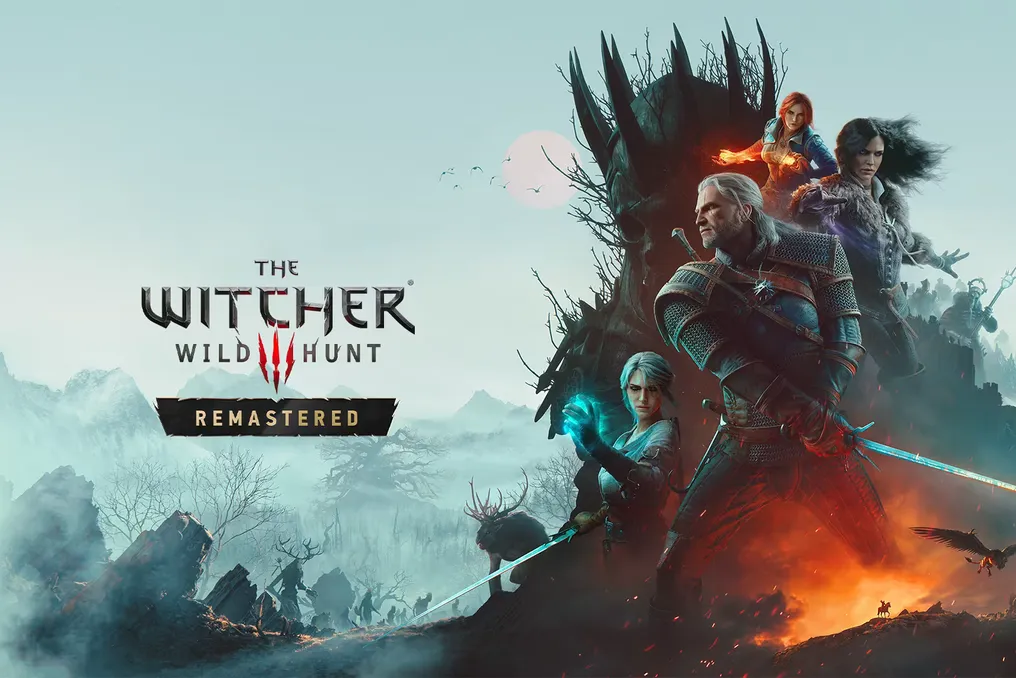
The fair showcased various facets of the contemporary gaming industry, highlighting the growing participation of Brazilian developers and discussions about artificial intelligence. Among the main launch highlights, CD Projekt Red announced the return of The Witcher 3: Wild Hunt — Remastered, scheduled for September 29th. This new version will include both visual and gameplay improvements and will be available free as an update for those who own the original game.
Additionally, the same company presented Songs of the Past, an expansion that will transport Geralt to the unprecedented region of Letten, with a release scheduled for 2027. The relevance of The Witcher was reinforced with three wins for CD Projekt Red at the Gamescom Awards 2026, including the Best Trailer/Announcement and Best Booth awards.
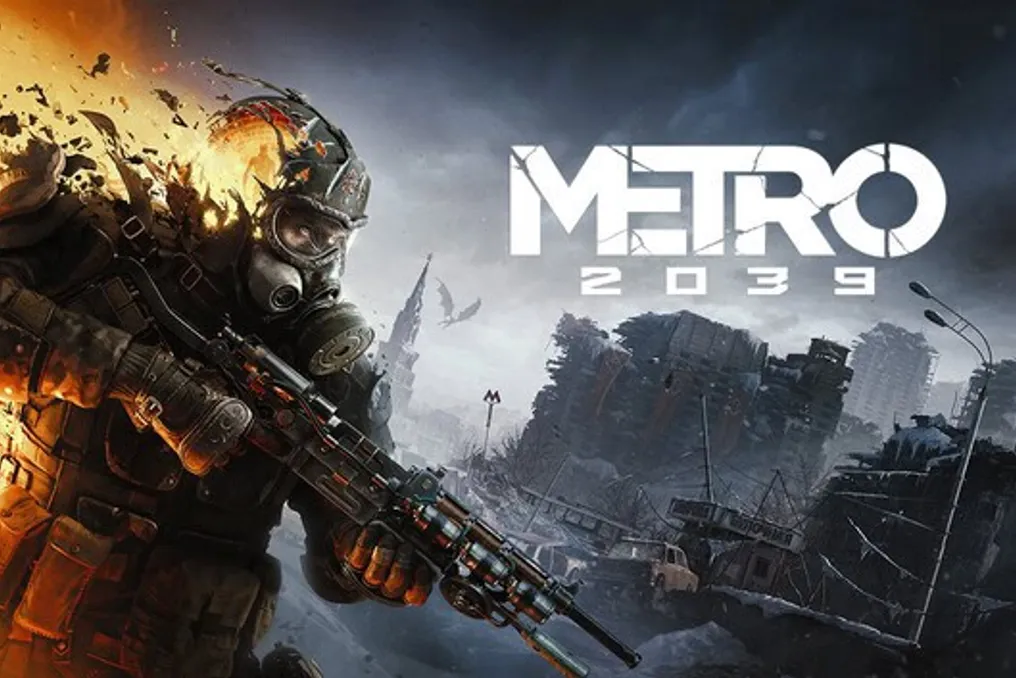
Opening Night Live featured many novelties, such as the trailer for Final Fantasy VII Revelation, the third and final part of the remake trilogy, which showcased Ruby, Emerald, and Ultra Weapon, as well as new open-world exploration areas, with a release expected in 2027. Other highlighted games included Gears of War: E-Day, while titles such as Metro 2039, Silent Hill: Townfall, Control Resonant, Onimusha: Way of the Sword, and Game of Thrones: War for Westeros received updates during the fair.
At the Gamescom Awards, both CD Projekt Red and Sega won three awards each. Onimusha: Way of the Sword was awarded Best Gameplay and Best PlayStation Game, and Metro 2039 received the Best Visuals award.
Gamescom 2026 also recorded the largest Brazilian participation in the event's history. For the first time, Brazil Games set up an exclusive pavilion for national independent games in the public area, gathering 35 Brazilian productions. In addition to institutional representation, small studios used the fair to conduct gameplay tests and seek publishers. Projects like Circo de Pulgas, developed by Caramelo Biônico, came to Germany seeking to transform international exposure into new commercial opportunities.
Although the structural disparity between large studios and their luxurious booths remains visible, the record participation signals an increasingly integrated Brazilian development scene in the global landscape. Artificial intelligence was another recurring theme, especially at Gamescom Dev. Discussions ranged from practical applications to criticisms regarding the environmental and creative impacts of this technology. Tencent, for example, demonstrated the use of AI in processes such as modeling, rigging, and animation, while other talks presented more critical views.
With 624 million views of content related to the event, added to the 368 thousand in-person participants, Gamescom concluded its 2026 edition as the largest and most international in its history.